

Lake Manyara National Park is one of Tanzania's most compact and most immediately rewarding self-drive national parks: a 325 square kilometre park on the floor of the Great Rift Valley escarpment, anchored on the north by the town of Mto wa Mbu and extending south along the base of the Rift Valley wall to the open soda lake of Lake Manyara itself.
Ernest Hemingway described Lake Manyara as "the most beautiful lake in Africa," and while the description is subjective, the combination of the Rift Valley escarpment towering 600 metres above the park's western boundary, the ancient groundwater forest that makes Manyara's northern section one of the most atmospheric game drive environments in East Africa, the Lake Manyara hippo pool with up to 400 hippo in a single confined area, and the flamingo that congregate on the alkaline lake shores creates an aesthetic experience in a compact area that is more immediately striking than the open plains of Tarangire or the broad savannah of the Serengeti.
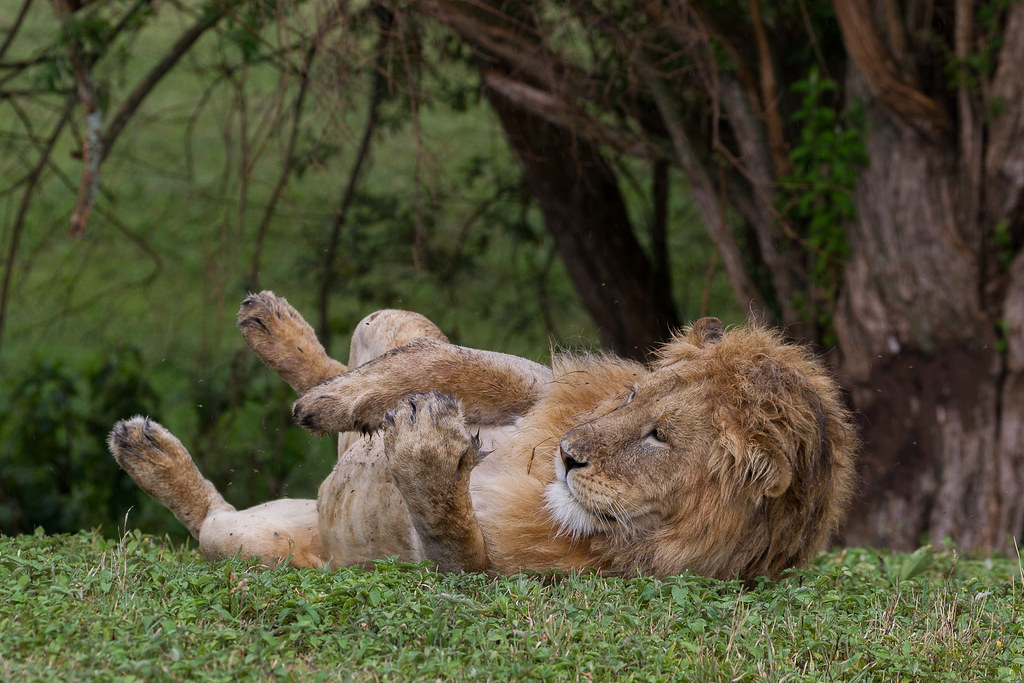
Manyara is most famous internationally for its tree-climbing lions — a behaviour documented at this park that occurs regularly at very few other locations globally — but the park rewards the self-drive visitor with a wide variety of wildlife and habitat experiences across a single game drive day, making it the most productive single-day addition to a Tanzania northern circuit.
This page covers the complete self-drive day drive for Lake Manyara, including the groundwater forest zone, the hippo pool, the lake shore, and the tree-climbing lion viewing areas.
The Tree-Climbing Lions of Lake Manyara
Lake Manyara's tree-climbing lions are one of the most discussed and most debated behaviours in African wildlife biology. Lion climbing in trees and resting for extended periods at heights of 3 to 6 metres is documented at Manyara and at Ishasha in Uganda's Queen Elizabeth National Park, with scattered reports from a small number of other East Africa locations.
The behaviour is not universal within the Manyara lion population — not all lions in the park climb trees, and the tree-climbing tendency appears to be learned behaviour transmitted within specific prides rather than an instinctive behaviour of the subspecies. The most frequently proposed explanations for the tree-climbing behaviour at Manyara combine several non-exclusive factors: the avoidance of the biting fly burden (tsetse and other biting flies are present at high density on the Manyara lake floor, and the breeze at height in a tree's canopy reduces the fly burden significantly); the elevated position providing a resting advantage over competitors such as buffalo herds that cannot be challenged on the ground when the lion has recently fed; and the long-established habituation of the Manyara lions to vehicle presence allowing them to rest at low tree heights where they are accessible to visitor observation without the stress of large mammal activity below.
The fig trees in the groundwater forest zone of northern Manyara and the acacia woodland in the central-southern park are the two most consistent locations for tree-resting lions. The detection method used by experienced guides — checking every large fig tree in the groundwater forest at height for the characteristic leonine shape draped across a branch — is the skill that self-drive visitors develop over the first Manyara game drive, as lions that appear completely invisible in the canopy from 50 metres distance become suddenly obvious once the search image is established.
At its most spectacular, a single large acacia holds 6 to 10 members of a pride at different branch heights in a scene that has no parallel in any other East Africa national park.
The Hippo Pool and the Groundwater Forest
Lake Manyara's hippo pool is one of the most impressive hippo aggregations visible from a vehicle at any Africa national park. The pool, located approximately 3 kilometres from the Mto wa Mbu entrance gate along the main park road that follows the Rift Valley wall, holds between 300 and 500 hippo in a confined area fed by the groundwater springs emerging from the Rift Valley wall above.
The density of animals in the pool — hippo at 3 to 4 per square metre in the deepest sections, with individuals stacked almost vertically above each other at the edges — produces the most concentrated hippo mass visible from any easily accessible vehicle viewpoint in Tanzania. The sheer noise and physical dynamism of this many large animals in a confined space (hippo bellow at 110 decibels, the dominant males fight with their huge canine tusks in loud splashing confrontations, and the animals move constantly in and out of the pool throughout the day) makes the Manyara hippo pool an overwhelming sensory experience that even experienced Africa travellers find remarkable.
The pool is best visited in the late morning when the sun is high enough to illuminate the interior of the pool rather than silhouetting the animals against the water glare. The groundwater forest in the northern section of the park (between the entrance gate and the hippo pool) is a dense, dark, ancient forest fed by the springs from the Rift Valley wall.
Tree species including the massive fig trees, African mahogany, and various fig species, combined with a high density of vervet monkey, baboon, and occasionally blue monkey, create an enclosed, cathedral-like driving environment that strongly contrasts with the open lake shore and the southern savannah. The entrance road through the groundwater forest is the most likely zone for tree-climbing lion encounters and is also the most productive birding area in the park, with forest species including the Narina trogon, the African broadbill, and a variety of forest starlings and barbets that are not found in the open lake zone to the south.
Lake Manyara and the Rift Valley Lake Shore
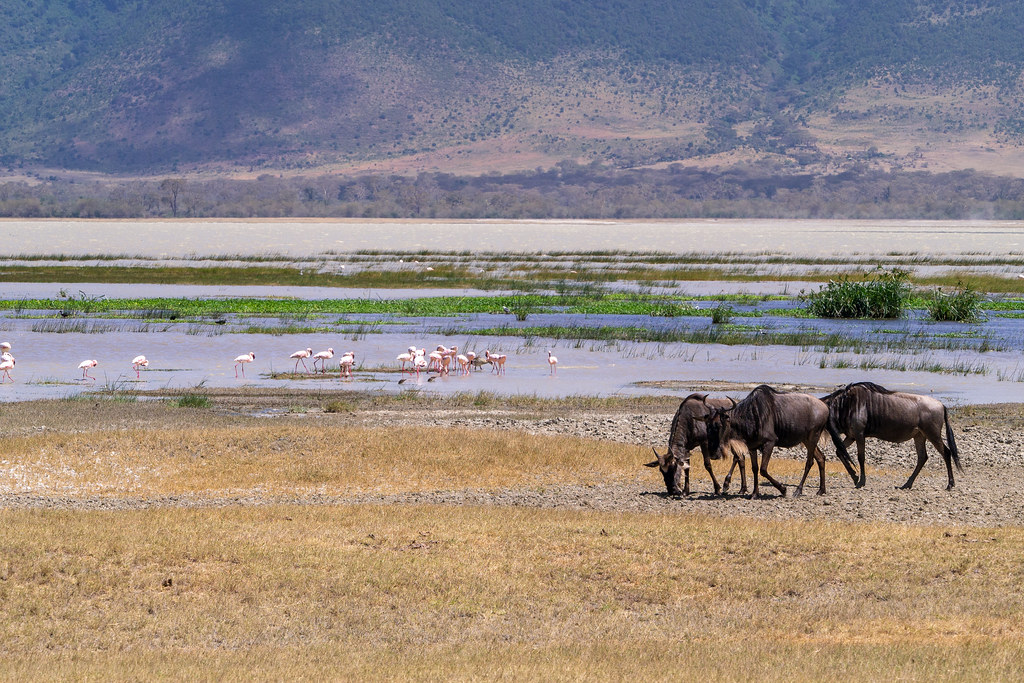
Lake Manyara itself is a shallow alkaline soda lake occupying the southern portion of the park and extending beyond the park boundary to the south. The lake's alkalinity varies seasonally with water level and concentration, and the flamingo population on the lake shore fluctuates accordingly: in years when the lake level is low and the algae concentration is high, large numbers of lesser flamingo (and a smaller number of greater flamingo) line the shallow lake margins, creating the famous pink shoreline that makes the aerial view of Lake Manyara one of the most photographed landscapes in Tanzania.
The lake shore in the southern section of the park is the prime location for game drives that focus on the waterfowl and the migratory shorebirds: the flamingo concentration (when present) is augmented by yellowbill stork, saddle-billed stork, various heron and egret species, African sacred ibis, and the open-billed stork that specialises in extracting molluscs from the lake bed.
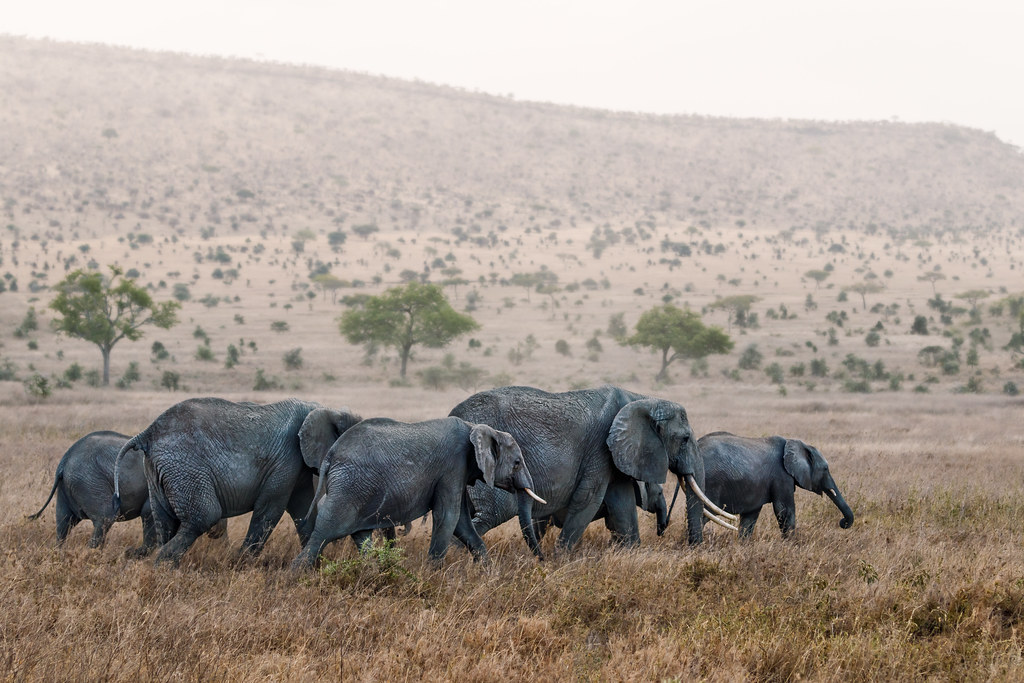
Pelican (great white pelican) are resident on the lake and visible from the southern game drive tracks. Buffalo herds of 200 to 400 individuals are commonly encountered on the game drive tracks in the acacia woodland zone between the groundwater forest and the lake shore. Elephant are present in the groundwater forest and emerge onto the lake shore margins in the early morning.
Impala and warthog are abundant throughout the park. The Manyara northern circuit game drive — entrance gate through the groundwater forest (tree-climbing lion search), hippo pool visit, then south along the Rift Valley wall to the lake shore and the southern savannah tracks — typically takes 5 to 6 hours and covers the park's most productive wildlife zones in a single day.
Most visitors to the Tanzania northern circuit allocate a single full game drive day to Lake Manyara before driving west to Ngorongoro on the same afternoon. For vehicle hire from Arusha, see the Tanzania car rental page. For TANAPA pre-payment instructions, see the Tanzania practical information page. For the complete Tanzania circuit with Lake Manyara in context, see the Tanzania northern circuit complete guide.
Lake Manyara Bird List: Forest, Wetland and Escarpment Species
Lake Manyara National Park holds one of Tanzania's most diverse bird communities for its size, with over 380 recorded species concentrated across three distinct habitat zones within the park's 325 square kilometres: the groundwater forest in the north, the open lake and lake shore in the south, and the acacia woodland and escarpment-foot zone connecting the two.
The groundwater forest is the most distinctive avian habitat: an ancient closed-canopy forest fed by springs from the Rift Valley wall, harbouring species that are entirely absent from the open savannah habitats of Tarangire and the Serengeti. The Narina trogon — a spectacularly coloured bird with iridescent green upperparts and crimson underparts — inhabits the forest canopy and is most easily found along the forest streams near the park entrance.
The silvery-cheeked hornbill (much larger than the red-billed hornbill found elsewhere in the northern circuit) occurs in the Manyara groundwater forest and is heard more often than seen, its distinctive braying call amplified in the enclosed forest. The grey-headed kingfisher hunts insects from low perches over the forest floor away from water, demonstrating the non-aquatic feeding habits of several kingfisher species that are commonly misunderstood as exclusively water-associated.
The African paradise flycatcher (rufous-phase and white-phase males) is common in the forest understorey and one of the most reliably encountered of Africa's spectacular small birds at Manyara. The lake shore attracts the largest aggregations of waterbirds in the northern Tanzania circuit during the periods when lake levels support them: in peak flamingo years the lesser flamingo flock on the Manyara soda flats can reach several hundred thousand individuals.
The open water of Lake Manyara north of the flamingo flats supports large concentrations of white pelican, yellow-billed stork, open-billed stork, great white egret, and various duck species. The escarpment-foot zone below the Rift Valley wall and the acacia woodland of the central park are the most productive raptor zone: the Wahlberg's eagle, the Bateleur eagle (one of the most dramatically beautiful of Africa's large raptors, with its short tail, brilliant red face, and soaring flight), the augur buzzard, the African hawk-eagle, and the martial eagle (Africa's largest eagle) are all recorded at Manyara on the cliffs and the tall acacia that line the escarpment base.