
Lake Nakuru National Park and the Laikipia Plateau form one of Kenya's most rewarding self-drive combinations outside of the famous Mara-Amboseli southern circuit. The combination provides the visitor with experiences genuinely unique in East Africa: the dense black and white rhino population of Lake Nakuru (the highest concentration of both rhino species in Kenya within a single fenced sanctuary), the lesser flamingo spectacle of the alkaline lake when conditions bring the birds to the shores in large numbers, and the wild dog (African painted dog) population of the Laikipia Plateau found nowhere else in Kenya with the reliability of the Laikipia conservancy network.
The wild dog is entirely absent from Uganda, Rwanda, and Tanzania outside of the southern reserves, making the Laikipia the only readily accessible location for African painted dog viewing in East Africa for most safari visitors. This page covers the self-drive trail for Lake Nakuru and the Laikipia Plateau, including the approach from Nairobi, the specific wildlife targets at each destination, seasonal notes, and the vehicle requirements.
Lake Nakuru National Park: Rhino Sanctuary
Lake Nakuru National Park is 140 kilometres north-west of Nairobi via the A104 highway through the Rift Valley escarpment and down into Nakuru town, approximately 2 to 2.5 hours from Nairobi. The park surrounds Lake Nakuru, a shallow alkaline soda lake in the Rift Valley floor. At various periods in its history the lake has been the site of the world's largest concentration of lesser flamingo, with estimates of up to two million individuals on the lake surface in peak years creating a band of pink along the shoreline visible from the Rift Valley escarpment above.
The flamingo population at Nakuru fluctuates dramatically based on the lake's water chemistry and food availability: in years when the lake level rises significantly, the algae concentration that the flamingo depend on decreases and the birds move to other Rift Valley lakes including Bogoria and Magadi. Current conditions at the lake at the time of any specific visit should be checked through current travel sources.
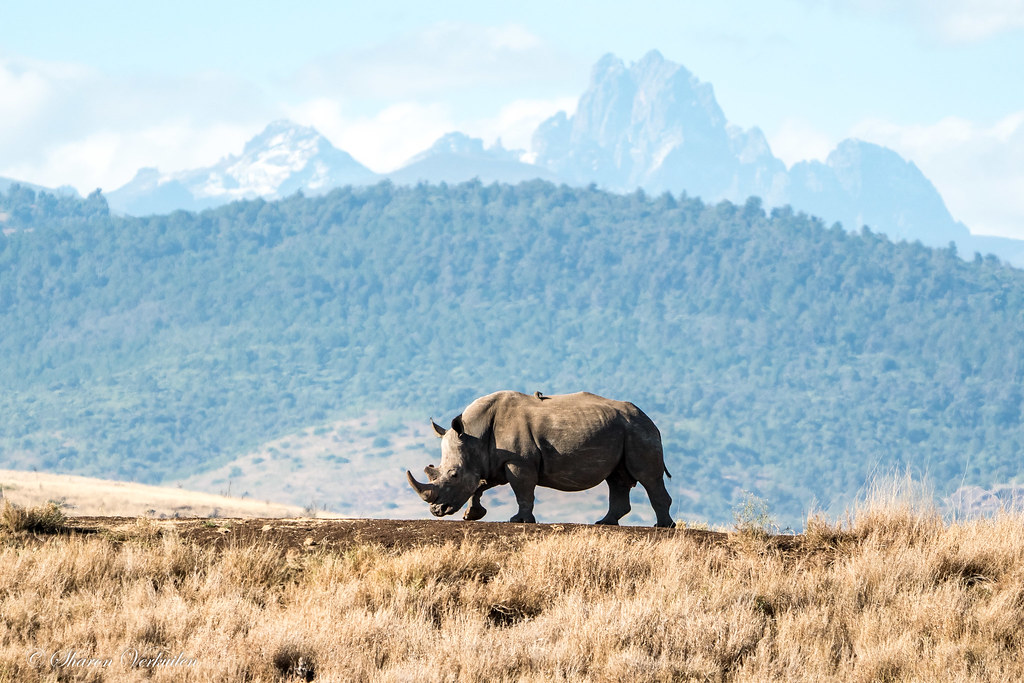
The park's most reliably impressive wildlife is its rhino population, managed within an electric perimeter fence that protects the animals from poachers and allows the population to be closely monitored by KWS rangers. White rhino (Ceratotherium simum) are grazers of open grassland and are frequently encountered on the short-grass plains near the lake shores. Black rhino (Diceros bicornis) are browsers of dense bush and thicket and more difficult to find in the park's forested hillside areas, but the density of the Nakuru black rhino population means that a 2-day game drive circuit that focuses on the western hillside zone and the areas near the Makalia waterfall commonly produces at least one black rhino sighting.
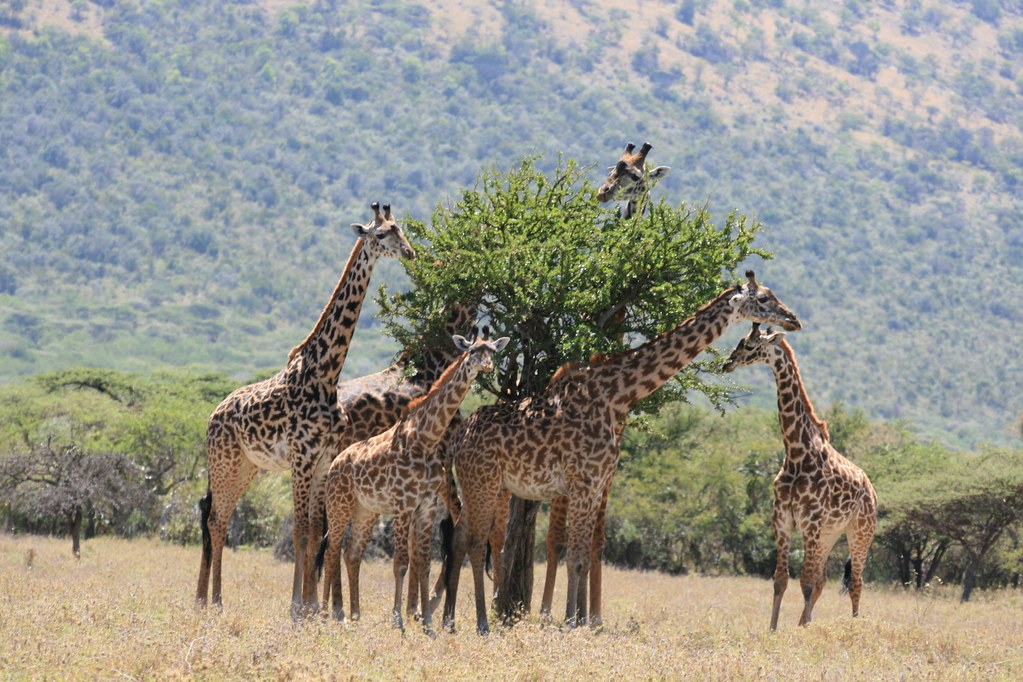
The park also holds lion, leopard, waterbuck, buffalo, colobus monkey, and the Rothschild's giraffe (an endangered subspecies found at Nakuru among a small number of Kenya locations).
Lake Bogoria: Flamingo Alternative North of Nakuru
Lake Bogoria National Reserve, 60 kilometres north of Lake Nakuru in the northern Rift Valley on the B4 highway, is the primary alternative flamingo viewing site when Lake Nakuru's water level changes have reduced flamingo numbers at the southern lake. Bogoria is a deeply alkaline soda lake fed by geothermal hot springs along its eastern shore.
The geysers and boiling springs at Bogoria are a remarkable geological feature, with water erupting from the ground at near-boiling temperatures and steam rising from the lake-edge vents across the shoreline. The algae concentration at Bogoria is ideal for lesser flamingo when conditions are right, and when the population shifts north, the aggregation at Bogoria can equal or exceed the numbers historically seen at Nakuru.
A Nakuru-Bogoria combination day, driving from Nakuru 60 kilometres north on the B4 highway to Bogoria in the morning, visiting the lake shores and geothermal springs, and returning to Nakuru in the afternoon, is a standard extension for visitors who want the flamingo experience regardless of which lake currently holds the birds. Lake Bogoria's hot spring area allows walking along the lake shore with a Kenya Wildlife Service ranger, providing a ground-level flamingo and geothermal experience unavailable at the other Rift Valley lakes.
The B4 highway between Nakuru and Bogoria is sealed tarmac in good condition, and the Bogoria reserve entry road is murram within the Toyota Prado's capability year-round.
The Laikipia Plateau: Wild Dog Country
The Laikipia Plateau, 200 kilometres north of Nairobi between the Aberdares and Mount Kenya, is Kenya's most ecologically significant private conservation area: a mosaic of 40 to 50 private ranches and community conservancies covering approximately 10,000 square kilometres where wildlife and livestock coexist on formerly colonial ranchland that has progressively shifted toward conservation-focused management over the past three decades.
Laikipia is the only place in Kenya where African wild dog (Lycaon pictus) are reliably present. The total Kenyan wild dog population is small, and the majority of it lives in and around the Laikipia conservancies. The challenge of wild dog sighting on the Laikipia Plateau is the species' enormous home range: a pack of 8 to 12 wild dogs may range over 500 to 1,000 square kilometres in their normal hunting movements.
The conservancy guides who track the known packs have the best chance of locating them through radio-telemetry monitoring of radio-collared pack members or through a network of community spotter reports across the plateau. Self-drive visitors who specifically want wild dog must book at a Laikipia conservancy with current pack-tracking capability and spend at minimum 2 nights to allow multiple guided tracking attempts.
Laikipia also holds Kenya's second-largest black rhino population after the Mara conservancies, the country's largest population of reticulated giraffe, Grevy's zebra, eland, striped hyena, and roan antelope. The plateau provides a completely different habitat and wildlife experience from the southern Kenya parks, and the conservancy landscape of the Laikipia with its acacia and Leleshwa bush hills and the background of Mount Kenya on the eastern horizon is one of the most scenic environments in the Kenya self-drive circuit.
Nakuru and Laikipia Circuit Logistics and Vehicle
The Nakuru and Laikipia trail from Nairobi is a 3 to 5 day circuit combining the two destinations in a single journey.
- Day 1: Drive to Nakuru (2.5 hours), afternoon game drive at Lake Nakuru National Park with afternoon light on the lake shore for flamingo and rhino on the plains.
- Day 2: Full day at Nakuru with morning and afternoon game drives including the Baboon Cliff viewpoint, the rhino search on the hillside tracks, and the optional Nakuru-Bogoria day visit to check current flamingo numbers at Bogoria.
- Day 3: Drive north from Nakuru to Laikipia via Nanyuki (approximately 2.5 hours on the B5 highway past Nyahururu), check in at the selected conservancy for the afternoon guided game activity.
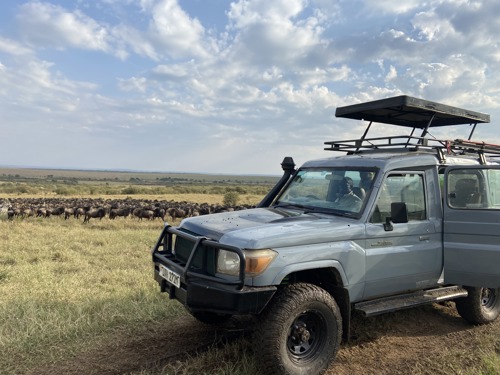
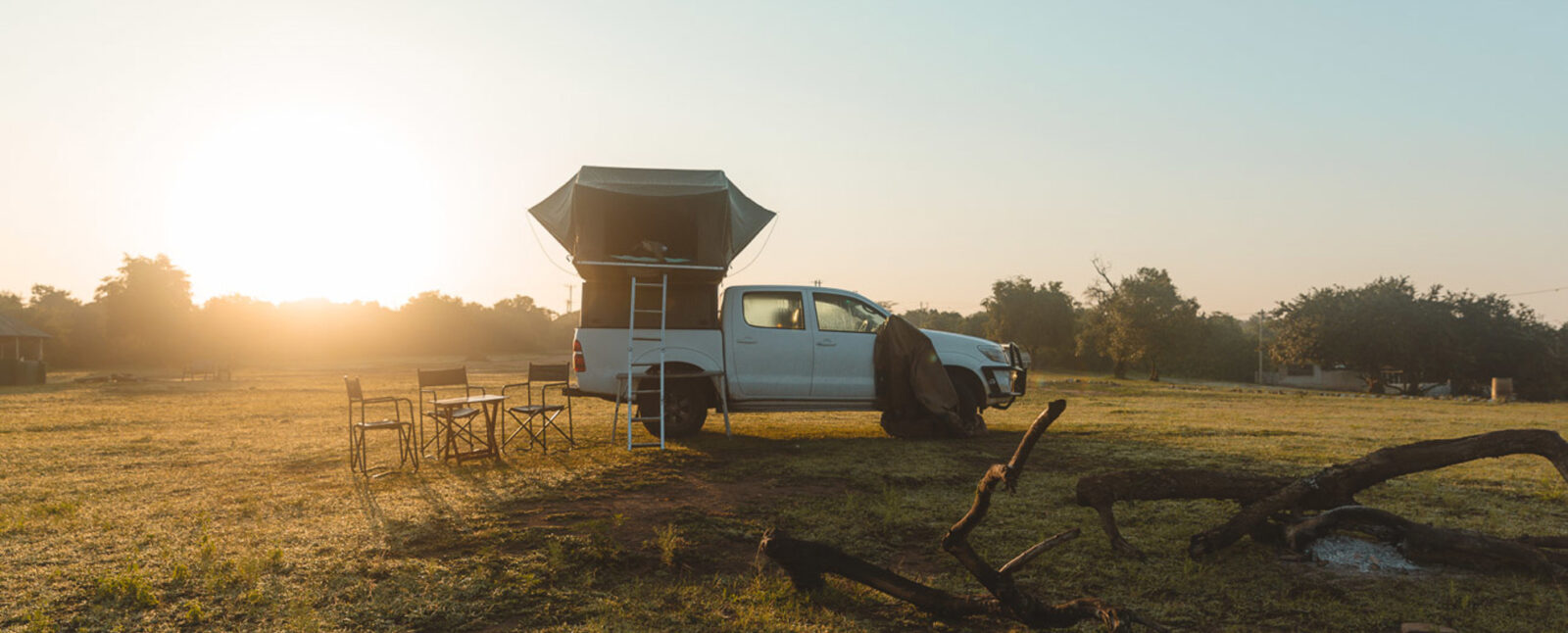
- Day 4: Full Laikipia conservancy day with guided wildlife activities including wild dog tracking in the morning. Return to Nairobi from Nanyuki is approximately 2.5 to 3 hours on the B5 highway, giving a comfortable departure by mid-morning on Day 5. The Toyota Prado handles both destinations comfortably year-round. For vehicle hire from Nairobi, see the Kenya car rental page. For KWS card setup, Lake Nakuru fees, and Laikipia conservancy booking guidance, see the Kenya practical information page. For circuit enquiries and vehicle hire quotes, use the book now page.
The Rift Valley Lake System: Understanding the Circuit
The three Rift Valley lakes most visited on the northern Kenya circuit — Nakuru, Bogoria, and Baringo — are alkaline soda lakes formed in the eastern arm of the Great Rift Valley, which runs through Kenya from north to south as a series of escarpments, valleys, and lakebeds. The alkalinity of these lakes is produced by the leaching of sodium carbonate from the surrounding volcanic rock into the lake water, creating conditions that support the blue-green algae (Arthrospira fusiformis) that lesser flamingo filter from the water with their uniquely adapted curved bills.
The flamingo population moves between the lakes in response to changing water chemistry and food availability: when one lake rises in level after heavy rains, diluting the algae concentration, the flamingo colony shifts to another lake that offers a more concentrated food source. Understanding this dynamic is essential for planning a Rift Valley self-drive circuit: the visitor who checks current flamingo lake locations before the circuit begins and targets the right lake on the specific travel date will have a significantly better flamingo encounter than the visitor who plans around a single lake regardless of current conditions.
Current flamingo movement information is provided in the Car Hire 4x4 Drive pre-trip guidance email for all circuits that include the Rift Valley lakes. Lake Baringo, 80 kilometres north of Bogoria on the B4 highway, is a freshwater lake with very different avifauna from the alkaline Nakuru and Bogoria: hippo, Nile crocodile, African fish eagle, African darter, Hemprich's hornbill, and a diverse waterbird community concentrated on the rocky islands and the papyrus-edged northern shore.
Baringo's Goliath heron (the world's largest heron species, standing over 1.5 metres tall) is reliably seen on the lake margins and is one of the most impressive single bird encounters of the Rift Valley circuit. A day visiting Baringo from a Nakuru base adds approximately 160 kilometres of driving and provides a completely freshwater-lake experience to contrast with the alkaline soda-lake environments of Nakuru and Bogoria.