
Rwanda is East and Central Africa's most compact safari destination, ideal for short self-drive safari tours, and arguably the continent's most efficient for the wildlife traveller who wants to maximise encounter quality relative to travel time. In a country of 26,338 square kilometres — smaller than Belgium — three nationally significant protected areas deliver three of the most celebrated wildlife encounters in Africa: mountain gorilla trekking at Volcanoes National Park in the north-west, chimpanzee trekking in Nyungwe Forest National Park in the south-west, and the full Big Five in the recently restored savannah ecosystem of Akagera National Park on the Tanzania border in the east.
No other country of comparable size in Africa holds all three of these experiences, and Rwanda's excellent sealed-tarmac road network means that all three parks are accessible from Kigali in 2 to 3 hours of driving. A Rwanda 3-parks self-drive circuit is the most logistically straightforward multi-species safari in East Africa, requiring no long overland distances, no murram road navigation, and no day-long drives between destinations.
This page provides an overview of the Rwanda self-drive circuit structure and links to the detailed route guides for each individual park.
Volcanoes National Park: Mountain Gorilla Trekking
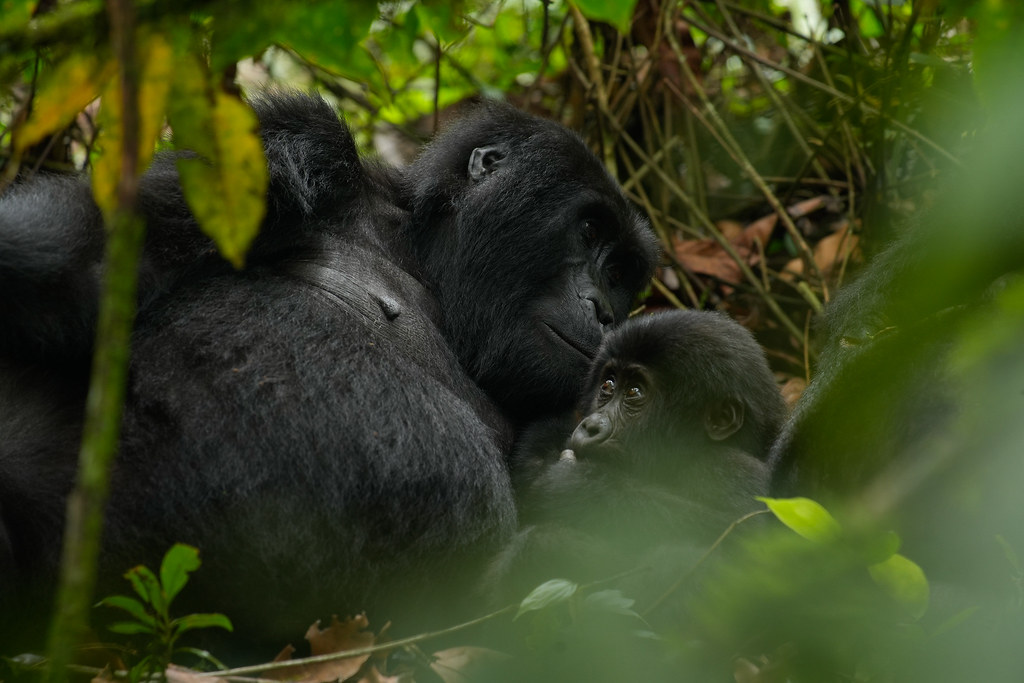
Volcanoes National Park is Rwanda's most internationally famous wildlife destination and one of the most celebrated wildlife experiences in the world. The park is the Rwandan section of the Virunga Conservation Area, a transboundary protected area shared between Rwanda, Uganda (Bwindi Impenetrable and Mgahinga Gorilla parks), and the Democratic Republic of Congo (Virunga National Park).
The Virunga volcanoes — six extinct and two active volcanoes rising to 4,507 metres at Mount Karisimbi's summit — straddle the three-country border and provide the critical mountain gorilla habitat at altitudes of 2,500 to 4,000 metres above sea level. Rwanda's Volcanoes National Park contains 12 habituated gorilla families, each available for a group of 8 visitors per day.
The gorilla trek involves a guided walk from the Kinigi briefing centre at the park boundary, typically through farmland and then into the montane forest, to the location of the family's overnight sleeping nest. The walk can range from 30 minutes to 5 hours depending on the family's location on the day, and the one-hour observation period when the family is reached is the most intimate wildlife encounter available anywhere in East Africa.
The mountain gorilla (Gorilla beringei beringei) is a critically endangered species, with the total world population currently estimated at approximately 1,000 individuals split between the Virunga volcanoes and the Bwindi-Mgahinga forests in Uganda. Rwanda is the most accessible gorilla trekking country from Kigali International Airport, and the park infrastructure at Volcanoes is the most developed of the three range countries for visitor experience.
The gorilla permit, managed exclusively by the Rwanda Development Board, must be arranged in advance of travel — permits are limited to 96 per day for the 12 Volcanoes families and are allocated up to 12 months in advance. RDB permit bookings are made at rdb.rw.
The drive from Kigali International Airport to the Kinigi briefing centre on the Volcanoes National Park boundary is 110 kilometres north-west via the RN2 national highway through Musanze (formerly Ruhengeri), approximately 2 to 2.5 hours in normal traffic. The road is sealed tarmac in excellent condition throughout. The majority of gorilla trekking accommodation is concentrated in Musanze town and on the slopes approaching the park boundary, with the closest options being 10 to 20 minutes' drive from the Kinigi briefing centre.
The morning briefing at Kinigi begins at 7 am, and the gorilla trekking groups depart immediately after the briefing. Self-drive visitors should arrive at the Kinigi centre by 6:45 am to complete permit verification before the 7 am briefing. The most productive approach for a 2-night Volcanoes circuit from Kigali is: Day 1 afternoon drive from Kigali to Musanze and check-in; Day 2 gorilla trek plus optional golden monkey trekking in the afternoon (a second trek offered within the park, reaching highly habituated troops of the golden monkey, Cercopithecus kandti, in the bamboo zone of the volcano slopes); Day 3 optional second gorilla trek or return drive to Kigali and onward to Nyungwe. See the Volcanoes gorilla trail guide for the full trekking detail.
Nyungwe Forest: Chimpanzee and Colobus in Africa's Largest Montane Forest
Nyungwe Forest National Park is Rwanda's south-western protected area, covering 1,019 square kilometres of montane rainforest on the Congo-Nile ridge at altitudes of 1,600 to 2,950 metres above sea level. Nyungwe is the largest montane rainforest in Central Africa and holds the continent's most diverse primate community outside of the Congo Basin rainforest, with 13 primate species including chimpanzee, Angolan colobus, grey-cheeked mangabey, L'Hoest's monkey, and olive baboon.
The chimpanzee trekking at Nyungwe is organised by the Rwanda Development Board and the Rwanda Wildlife Conservation Association, with a habituated chimpanzee community that visitors can trek to with a guide. The chimps at Nyungwe live in a dense forest environment unlike the more open habitats of Uganda's Kibale and Budongo forests, and the trek to encounter the community typically requires 1 to 4 hours of walking on forest trails through steep terrain.
The Nyungwe canopy walkway, a 200-metre suspension bridge at canopy height in the Igishigishigi area of the forest, provides the most accessible primate encounter in the park: Angola colobus monkeys (Colobus angolensis ruwenzorii) have habituated to the presence of visitors on the walkway platform, and troops of 30 to 60 individuals are regularly seen moving through the canopy at eye level from the platform, making the Nyungwe colobus walkway experience one of the most visually striking primate encounters in East Africa.
The drive from Kigali to the Nyungwe Uwinka visitor centre is 225 kilometres south-west on the RN1 highway through Huye, approximately 3 to 3.5 hours on excellent sealed tarmac. See the Nyungwe chimp trek guide for the full circuit detail.
Akagera National Park: Big Five on Rwanda's Eastern Border
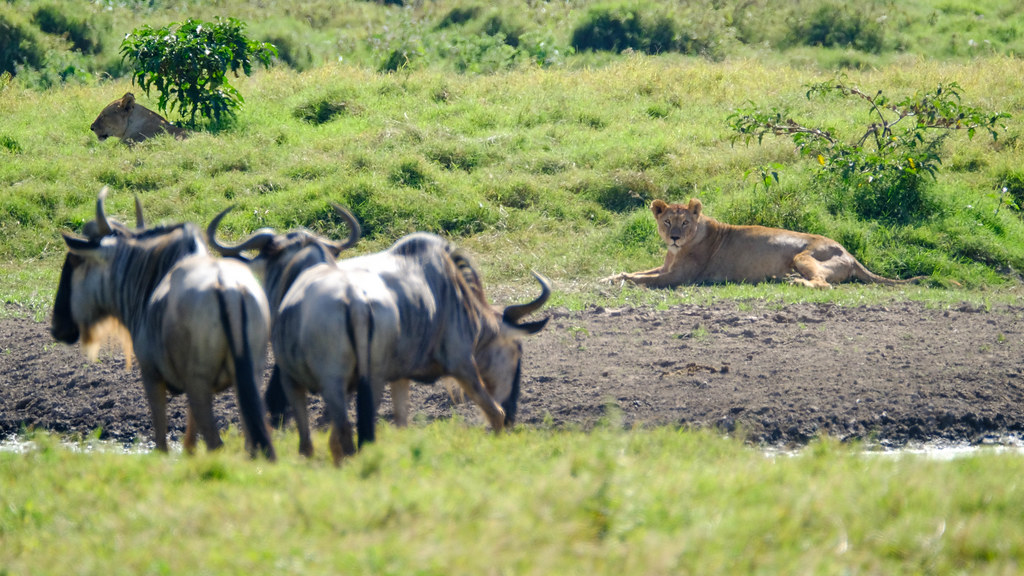
Akagera National Park on Rwanda's eastern border with Tanzania is the country's only savannah ecosystem park and the only place in Rwanda where visitors can see the Big Five. Akagera was historically decimated by human encroachment after the 1994 genocide, when approximately 30% of the park was converted to farmland and its large predator population was eliminated.
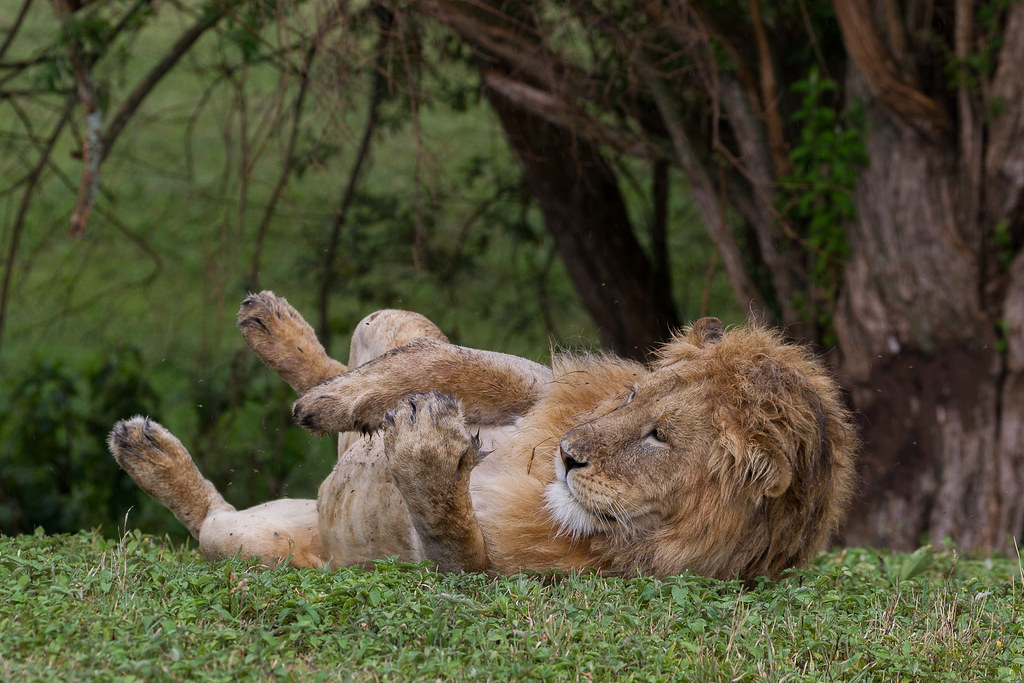
The partnership between the Rwanda Development Board and the African Parks Network, established in 2009, reversed this decline in one of the most celebrated conservation comeback stories in Africa. Lions were reintroduced to Akagera from South Africa in 2015, a second introduction of additional lions followed in 2017, and the population has been growing steadily since.
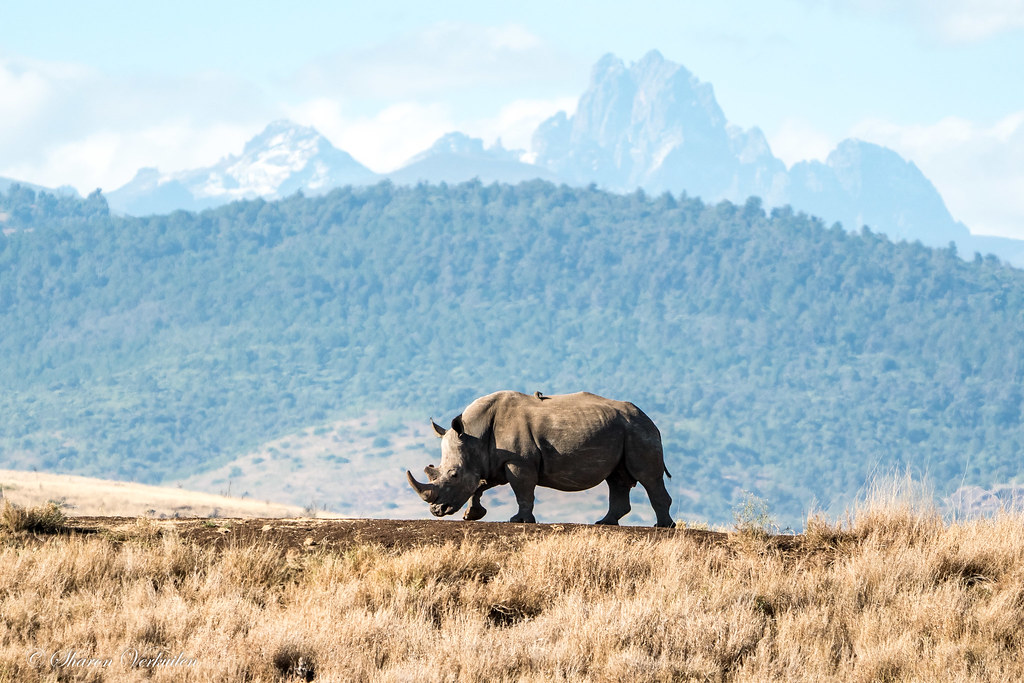
Black rhinos, functionally extinct in Rwanda for decades, were reintroduced from Europe in 2017 in a partnership with three European zoos that maintained the last captive-bred representatives of the regional black rhino population. Both the lion and rhino populations are monitored closely by the African Parks wildlife team, and game drive density for both species in Akagera is high relative to the small park size.
Elephant have been present at Akagera continuously and represent the park's largest population after the post-genocide recovery. Buffalo herds of several hundred individuals are common on the open savannah plains. Leopard and spotted hyena are the additional large predators.
The park's extensive lake system — Lake Ihema and the associated Kagera-Akagera wetland network — provides a boat trip experience with hippo, Nile crocodile, elephant at the lake edge, and outstanding waterbird viewing including shoebill stork. The drive from Kigali to the Akagera south gate is 110 kilometres east on the RN3 highway, approximately 2 hours on sealed tarmac.
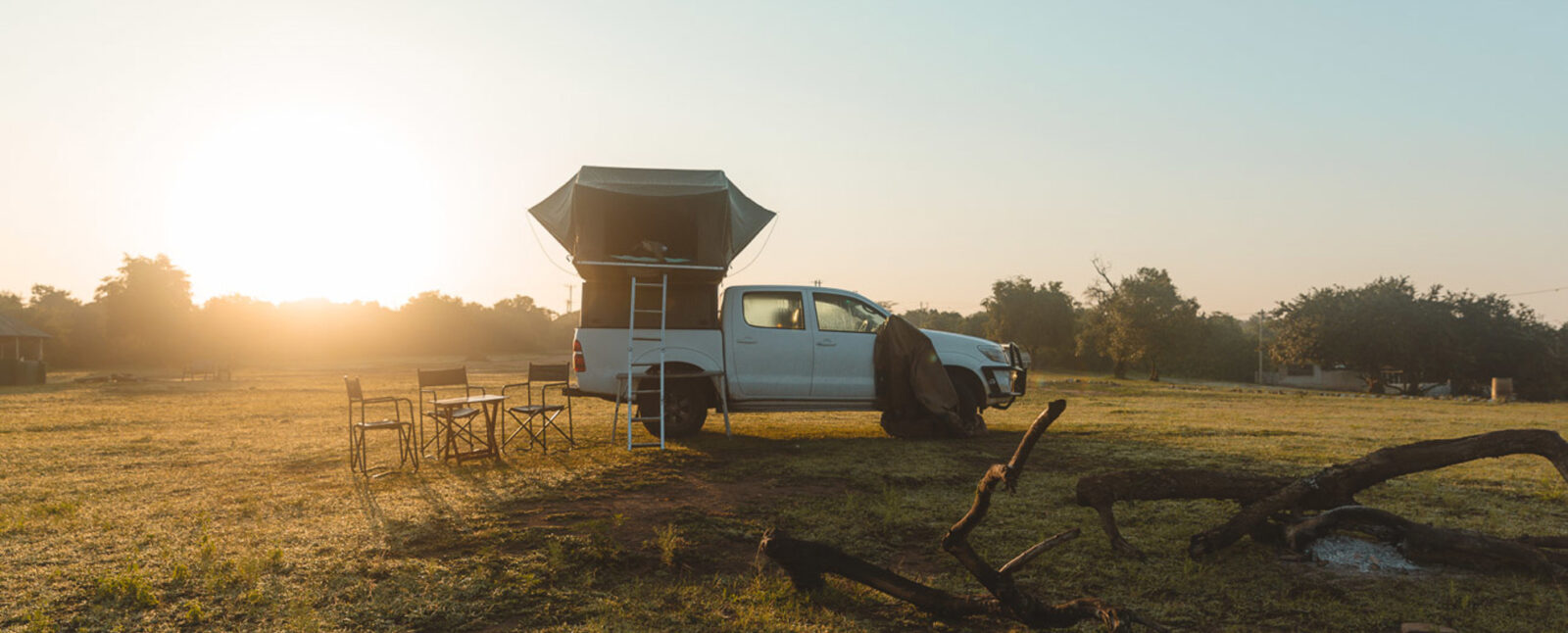
See the Akagera wildlife circuit guide for the full game drive and boat trip detail, and the Rwanda 3-parks loop guide for the complete circuit combining all three parks. For Rwanda 4x4 hire from Kigali, see the Rwanda car rental page. For RDB permit guidance and Rwanda ETA visa, see the Rwanda practical information page.
Rwanda's Conservation Leadership: What Makes the Country Different
Rwanda has achieved in 25 years what took other African countries several generations to accomplish: the transformation of a post-conflict landscape with devastated wildlife populations into one of the most effective conservation management systems on the continent. The Rwanda Development Board — the single agency responsible for tourism, investment, and natural resource management — operates all three national parks through a professional management model that eliminates the fragmentation of responsibility that undermines conservation effectiveness in many African countries.
The gorilla population in Volcanoes National Park has grown from approximately 324 individuals in the entire Virunga range in 2010 to over 600 today, a recovery driven by a combination of habituated family monitoring, intensive veterinary support for sick and injured individuals, community benefit-sharing programmes that give local people a financial stake in gorilla conservation, and the elimination of snare-based poaching through regular patrol programmes.
The Akagera lion reintroduction is the most recent and most visible example of Rwanda's willingness to invest in ambitious conservation interventions that other countries with similar colonial wildlife histories have not attempted: bringing lions back to a country that had lost them required years of community engagement with cattle-herding farmers on the park boundary, the construction of a perimeter fence that ended the human-wildlife conflict that had eliminated the original lion population, and sustained management support from African Parks that would have been beyond the RDB's resources alone.
The result is a park that now offers the Big Five in a country that most international visitors do not associate with savannah safari. Rwanda charges among the highest gorilla permit fees in the range countries, and the revenue is partially returned to community development programmes in the villages adjacent to Volcanoes National Park, creating a sustainable economic argument for gorilla conservation among the farming communities that are the most critical stakeholders in the gorillas' long-term survival.
The combination of high permit revenue, intensive management, and community benefit-sharing that Rwanda has established is increasingly cited by conservation economists as the most replicable model for mountain gorilla conservation in all three range countries.