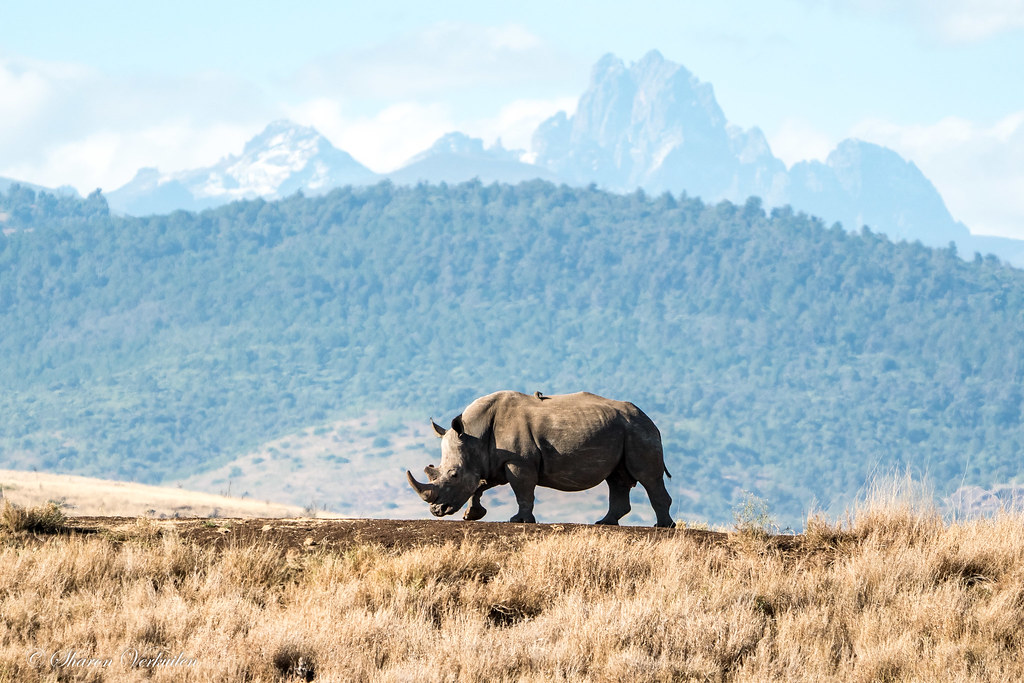
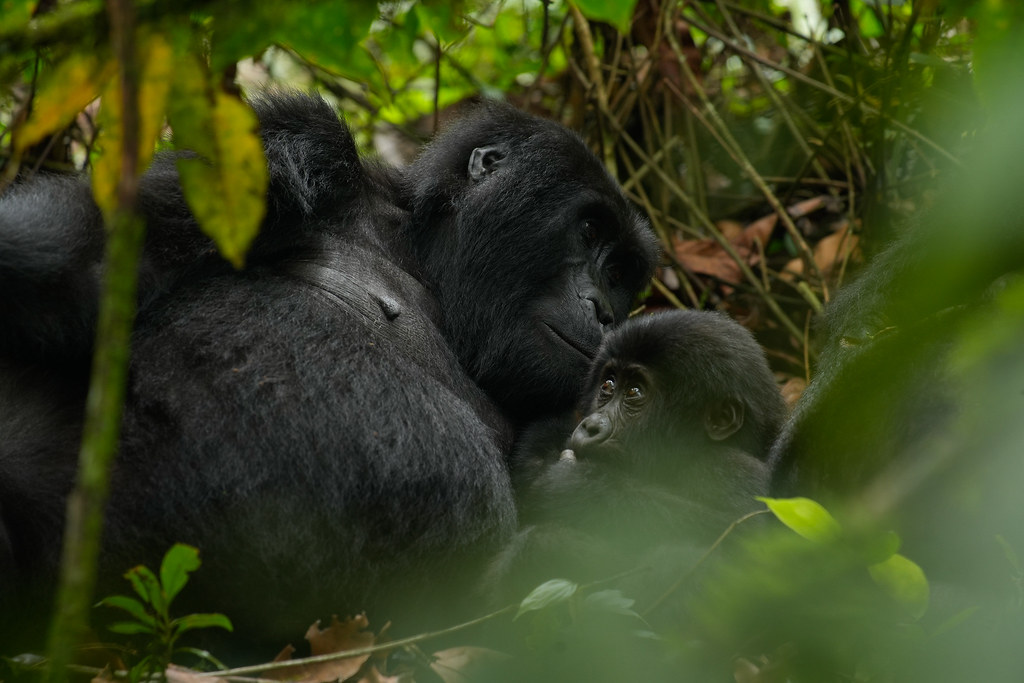

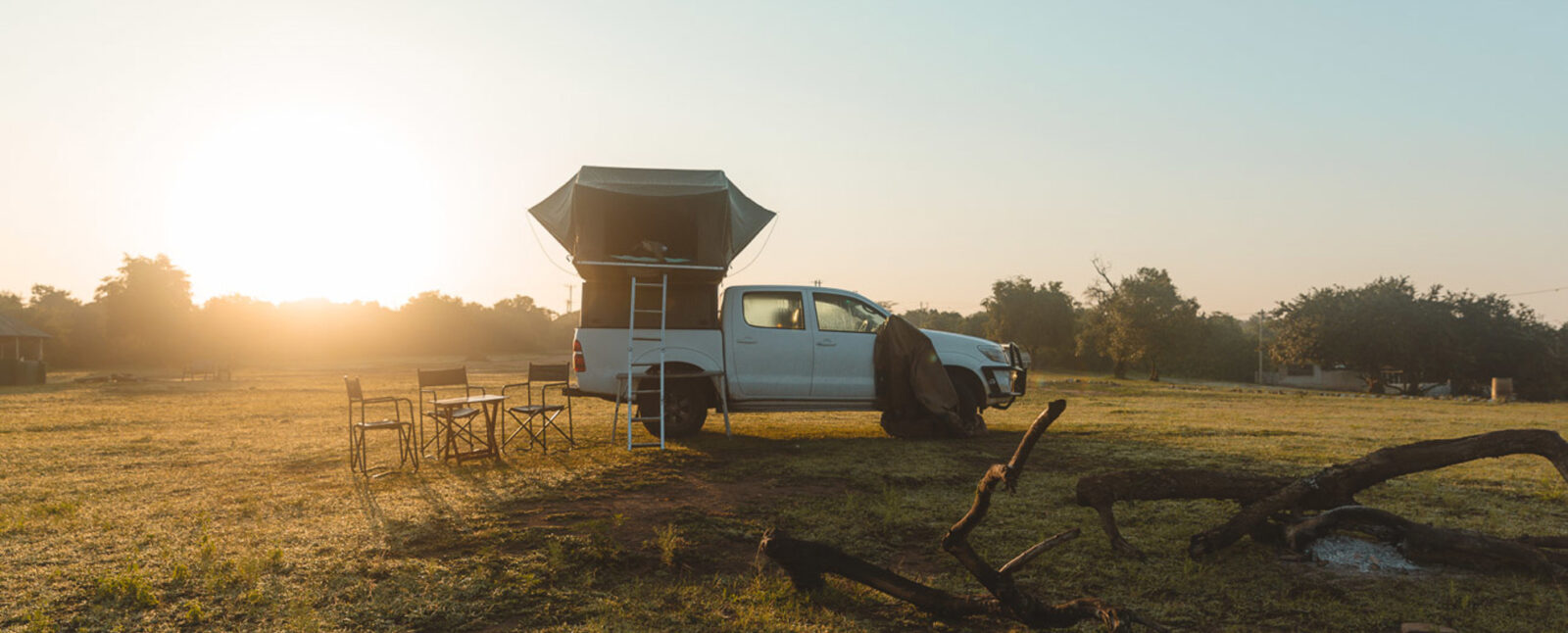

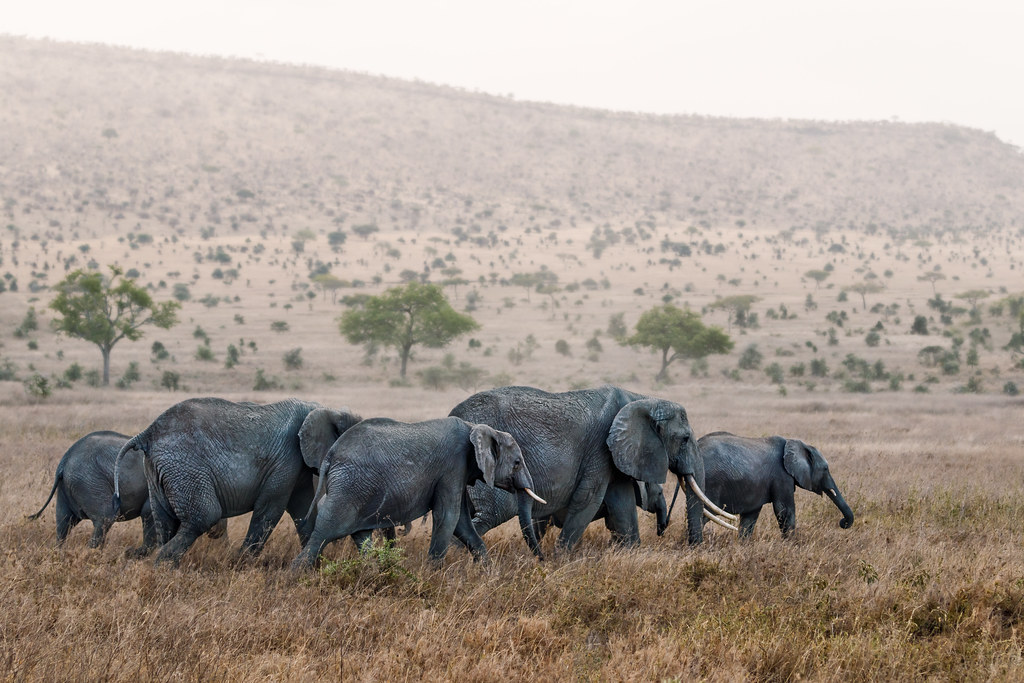
Amboseli National Park is one of East Africa's most iconic self-drive safari destinations: a 392 square kilometre park in south-central Kenya on the Tanzania border at the northern foot of Mount Kilimanjaro. Amboseli offers what is arguably the single most photographically powerful scene in African wildlife photography: large-tusked bull elephants walking through the wetlands with the snow-capped dome of Kilimanjaro rising behind them on the Tanzania side of the border, 30 kilometres away and 4,700 metres above the flat Amboseli plains.
Amboseli's elephant population is one of the most intensively studied in the world. The Amboseli Elephant Research Project has been running continuously since 1972 and maintains individual identification records for every elephant in the ecosystem, producing landmark research on elephant social structure, memory, communication, family bonds, and the long-term dynamics of the East African savannah elephant population.
The herds show a level of comfort with vehicle presence that allows close observation of normal herd behaviour, nursing calves, adolescents sparring, matriarchs leading the family to water, at proximity that makes Amboseli uniquely intimate as an elephant destination. This page covers the self-drive loop for Amboseli, including the approach from Nairobi, the specific game drive zones, the Observation Hill viewpoint, the bird list, and the combination options with Tsavo and the Masai Mara.
Getting to Amboseli from Nairobi
Amboseli National Park is 240 kilometres south-east of Nairobi via the A104 highway south through Athi River and Sultan Hamud to Emali junction, then west on the C102 road through Kimana to the Namanga road junction and the Meshanani gate (the main self-drive entry gate for most visitors). The total drive is approximately 4 to 4.5 hours from Nairobi JKIA in normal traffic conditions.
The road is sealed tarmac as far as Emali (190 kilometres from Nairobi) and then unsealed murram on the final section to the gate. The murram section from the Namanga road junction to the Meshanani gate passes through Maasai community land and is in generally good condition year-round, though the surface becomes corrugated after periods of heavy traffic in the busy dry-season tourism months.
Fuel is available at Sultan Hamud (100 kilometres from Nairobi) and at Emali junction — the standard fuel stop for Amboseli-bound visitors is Emali, giving a full tank for the murram approach section and the game drives within the park. The Oloitoktok gate on the eastern park boundary is used by visitors coming from the Tsavo direction or from the Namanga border crossing from Tanzania.
All vehicles must be documented with a cross-border letter and the COMESA insurance certificate for Tanzania border crossings, both of which are included in the Car Hire 4x4 Drive vehicle documentation for circuits that include Tanzania. Self-drive visitors who aim to arrive at Amboseli in the early to mid afternoon (allowing an afternoon drive before the 6 pm park closing time) should leave Nairobi by 9 am to allow for traffic delays on the Nairobi bypass and the first 50 kilometres of the A104 highway.
Game Drives and the Amboseli Wetlands
Amboseli's game drive circuit is compact relative to other Kenya parks — the park is small (392 square kilometres) and the main wildlife areas are concentrated around the two permanent wetlands (Enkongo Narok swamp and Longinye swamp) that are fed by underground water flowing from Kilimanjaro's snowmelt through the porous volcanic rock of the mountain's base.
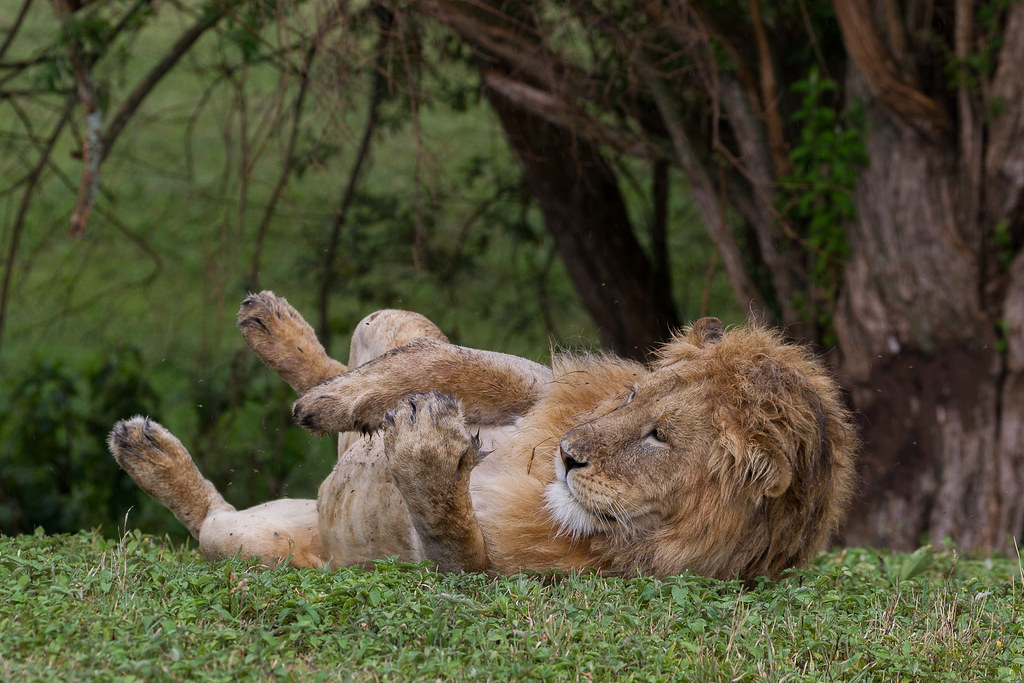
These wetlands are the focal point of the elephant population movement throughout the day, as the herds come to the swamps to drink and wallow and the papyrus and sedge margins of the swamps attract hippo and the dense waterbird communities. The open plains surrounding the wetlands are the domain of the Amboseli lion prides, which have been monitored for decades by the Amboseli Ecosystem Trust and appear regularly on the plains east of the swamps particularly in the early morning and late afternoon.
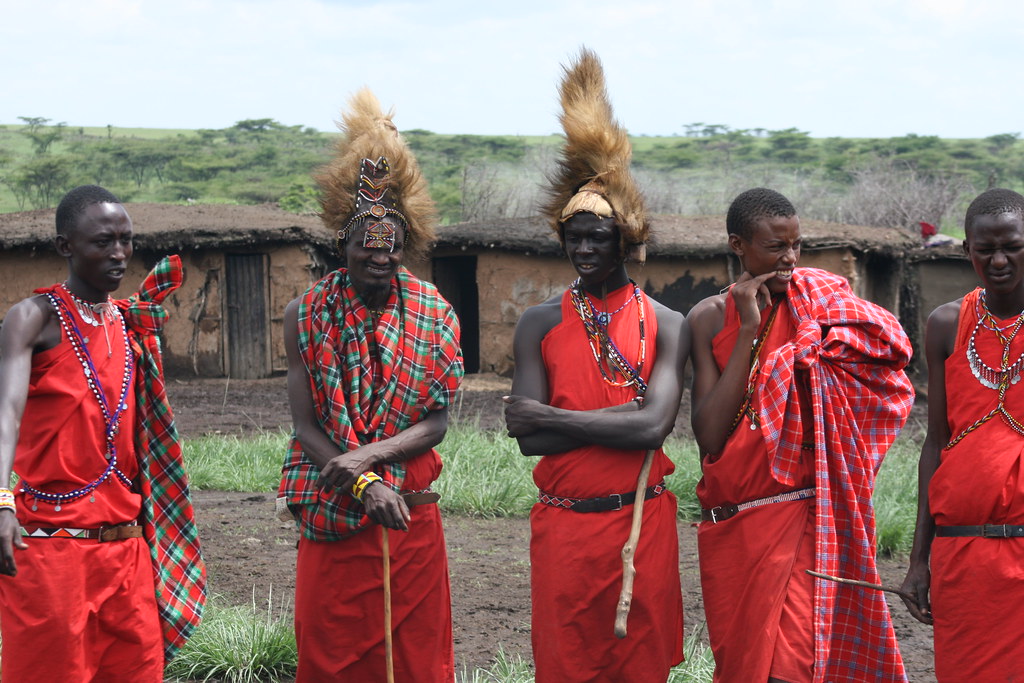
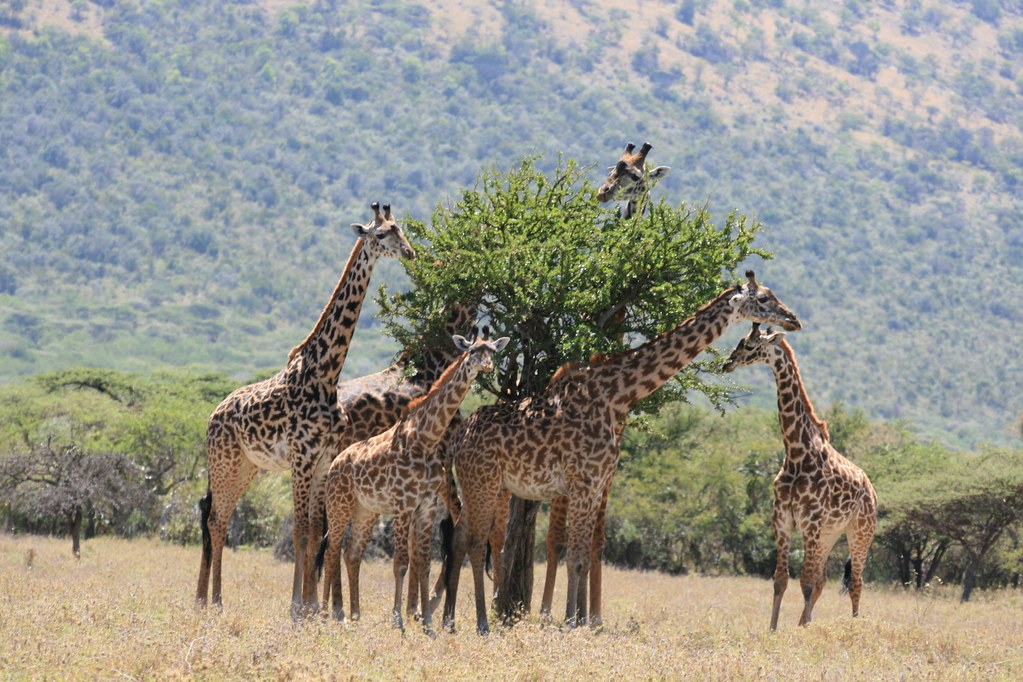
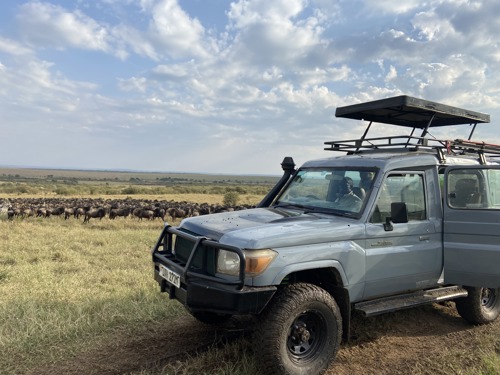
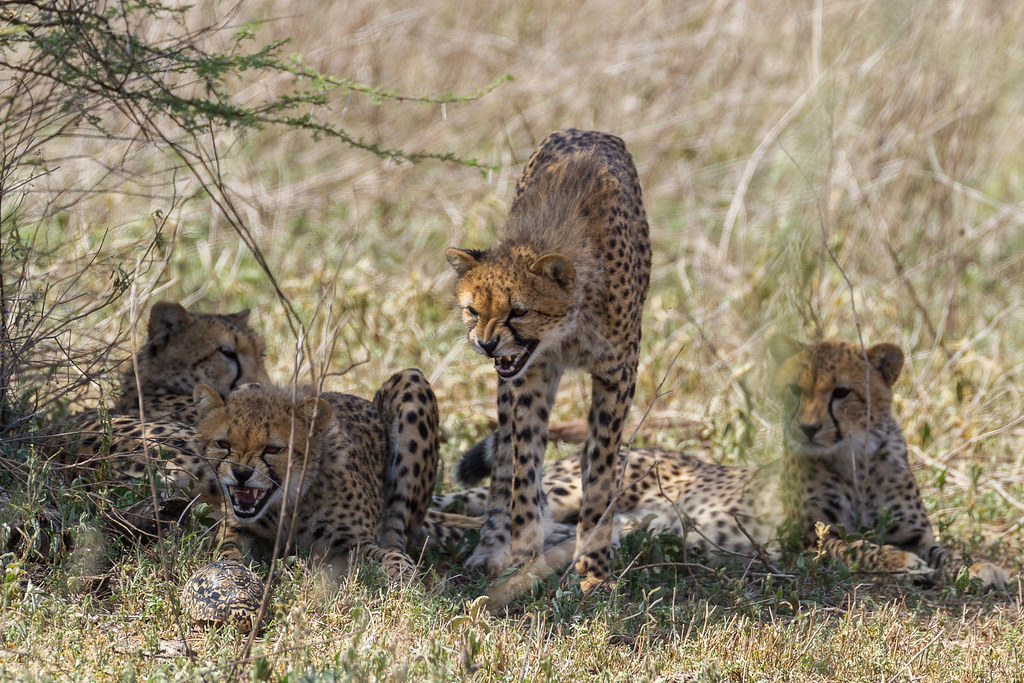
Cheetah are occasionally seen on the open grassland south of the swamps, and the combination of short grass and long sightlines makes Amboseli one of the more productive cheetah-watching locations in southern Kenya when individuals are present. Large resident herds of wildebeest and zebra move across the open plains between the wetlands and the surrounding Maasai community land.
The views from the open plains on a clear dry-season morning are the images that define Amboseli internationally: Kilimanjaro's Kibo summit dome with its remaining ice cap visible above the swamp's papyrus fringe, with elephants walking in the foreground. The internal park tracks are well-maintained KWS murram in good condition year-round, and the Toyota Prado handles the Amboseli circuit comfortably in any season as the volcanic soil drains quickly after rain.
Amboseli Birds: The Wetland and Plains Avifauna
Amboseli National Park is one of Kenya's most rewarding birding destinations, with a bird list exceeding 420 species concentrated primarily around the two permanent swamps and the seasonal lake in the centre of the park. The wetland birds of Amboseli are remarkable for their density and accessibility: the shallow swamp edges can be driven to closely on the game drive tracks, and the papyrus and sedge margin of the Enkongo Narok swamp provides the closest public vehicle approach to waterbird colonies of any Kenya park.
Lesser flamingo are present on the alkaline lake section in varying numbers depending on the water chemistry. African spoonbill, yellow-billed stork, saddle-billed stork (one of Africa's most striking wading birds with its red and yellow bill and bold black-and-white plumage), grey crowned crane, various egret and heron species, black-winged stilt, and a variety of wader species use the wetland margins year-round.
The open plains surrounding the wetlands support large flocks of superb starling, Maasai ostrich on the dry grassland south of the swamps, Kori bustard (the world's heaviest flying bird, standing over one metre tall on the open Amboseli plain), and Von der Decken's hornbill in the acacia woodland areas on the park boundaries. The combination of wetland, open grassland, acacia woodland, and mountain proximity habitats in such a compact area produces remarkable avifaunal diversity for a small park, making Amboseli a rewarding birding destination that rewards even non-specialist wildlife visitors with striking species at close range.
Early morning birding at the swamp edge before the elephant herds arrive in mid-morning produces the most undisturbed and diverse waterbird session.
Observation Hill and the Kilimanjaro Viewpoints
Observation Hill is a low volcanic hill near the centre of Amboseli National Park that provides the only elevated viewpoint in this otherwise flat park. A 10-minute walk on a maintained path from the car park at the hill base leads to the summit viewpoint, which covers the entire park including both main swamps, the open plains in all directions, and on clear mornings the complete profile of Kilimanjaro from the Shira plateau to the west through the Kibo summit dome and across to the Mawenzi peak to the east.
The Kilimanjaro view from Observation Hill is one of the most photographed vistas in all of Africa. The summit of Kilimanjaro stands 5,895 metres above sea level, and the apparent scale of the mountain from the Amboseli plain at 1,150 metres altitude, with 4,700 metres of mountain rising above the horizon, is significantly more dramatic than the same mountain appears from the higher elevation of the surrounding plateau country.
Visitors who arrive at Observation Hill at 7 am on a clear morning during the dry season (June to October and December to February, when summit cloud buildup is slowest) typically have 1 to 2 hours of full mountain visibility before the Kilimanjaro summit disappears into the cloud that builds from mid-morning. The snow cap on Kilimanjaro's summit has been dramatically reduced by climate change over the past century, but the remaining ice on the Kibo dome still produces the distinctive white crown that makes the mountain's profile instantly recognisable from 30 kilometres away.
The afternoon hill visit (from 4 pm onward) occasionally produces a second clear-summit window as the cloud disperses before sunset, but morning is significantly more reliable for the full mountain profile view. The hill also provides an excellent elevated photography platform for watching elephant herds moving between the swamps and the surrounding plains.
Combining Amboseli with the Masai Mara and Tsavo
The Amboseli and Masai Mara combination is the most popular Kenya circuit for first-time visitors, providing fundamentally different wildlife experiences in a single circuit from Nairobi: the intimate elephant viewing and Kilimanjaro backdrop of Amboseli versus the predator density, the open plains wildebeest spectacle, and the Mara River crossings of the Masai Mara. The two parks are 330 kilometres apart, approximately 4.5 to 5 hours of driving via Narok.
A combined Amboseli-Mara circuit from Nairobi typically allocates 2 to 3 days at Amboseli (arrival afternoon drive, full day including Observation Hill and morning game drive, departure day via Narok) and 3 to 4 days at the Mara, totalling 7 to 9 days for the complete circuit. Amboseli also connects naturally with Tsavo East via the Oloitoktok gate and the C109 road east (approximately 200 kilometres, 3 to 4 hours) for visitors who want to add Tsavo's red elephants and the Galana River to the Amboseli loop.
The Amboseli-Tsavo combination covers Kenya's two most important elephant populations (the famous Amboseli study population and the massive Tsavo East herd) in a single circuit, and the contrast between the wetland environment of Amboseli and the red volcanic soil landscape of Tsavo provides completely different photographic and atmospheric experiences at both destinations. The Toyota Prado is the recommended vehicle for the Amboseli circuit in all seasons.
For vehicle availability and circuit quotes, see the Kenya car rental page. For the KWS Multicurrency Card setup and Amboseli park fee schedules, see the Kenya practical information page. To make a booking enquiry for the Amboseli Kilimanjaro loop, use the book now page.