


Akagera National Park on Rwanda's eastern border with Tanzania, an easy self-drive from Kigali, is Africa's most remarkable conservation recovery story of the past two decades. A 1,122 square kilometre savannah park that was devastated by human encroachment and large predator extinction in the years following Rwanda's 1994 genocide, Akagera has been restored through the African Parks Network management partnership since 2009 to a fully functioning Big Five ecosystem with reintroduced lions, reintroduced black rhino, growing populations of elephant, buffalo, leopard, and spotted hyena, and an outstanding wetland and lake system that makes it one of Rwanda's most diverse wildlife destinations.
The transformation of Akagera from a depleted remnant park to a productive Big Five destination within 15 years is the result of one of the most intensive conservation management programmes ever applied to a savannah ecosystem, combining effective anti-poaching through community engagement, large predator reintroduction, black rhino reintroduction, and the diversification of the park's revenue base through wildlife tourism.
Akagera is 110 kilometres east of Kigali via the RN3 highway, approximately 2 hours on sealed tarmac, making it the most accessible Big Five destination from any major East Africa capital city. This page covers the complete self-drive guide for Akagera National Park, including the lion and rhino tracking details, the Lake Ihema boat trip, the game drive circuit, and the accommodation options.
Lions and Black Rhino: The Reintroduction Story
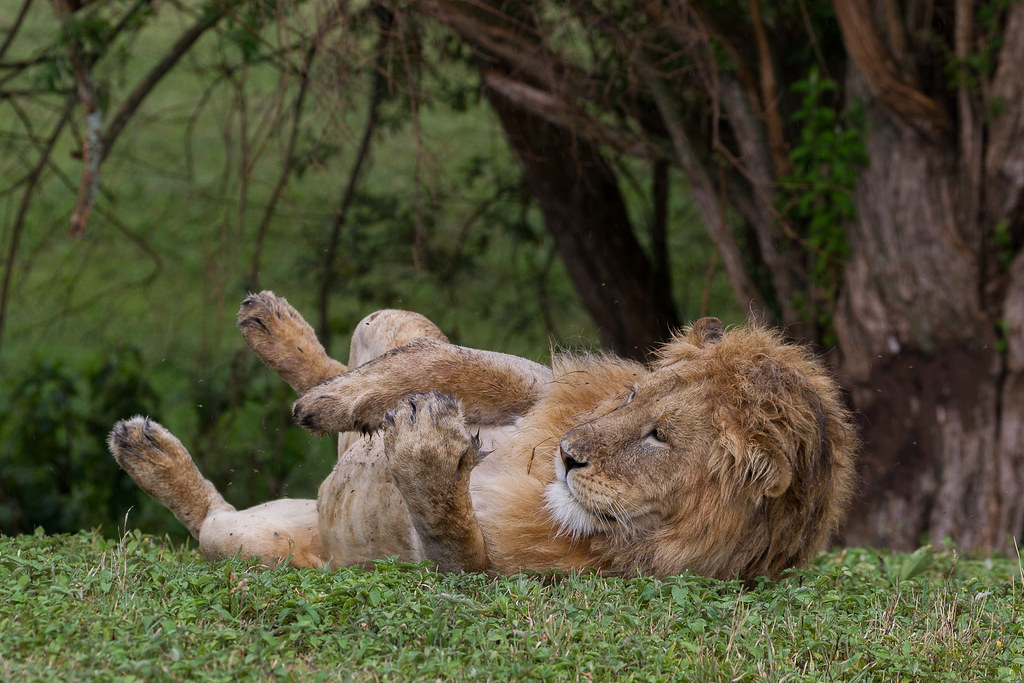
Akagera's lion reintroduction is one of the most closely watched and most successful predator rewilding projects in Africa. Lions were last seen in Akagera in the early 1990s when human encroachment and retaliatory killing eliminated the population. In 2015, seven lions from South Africa's Phinda Private Game Reserve and the Greater Kruger ecosystem were translocated to Akagera under a collaboration between African Parks, the Rwanda Development Board, and the Wildlife Conservation Society.
The founding population comprised five females and two males. By 2017 the population had grown sufficiently to justify a second introduction of five lions from Akagera's South African partner reserves, adding new genetic diversity to the reestablishing population. By 2020, the population had grown to approximately 25 individuals in several prides across the northern and central sections of the park.
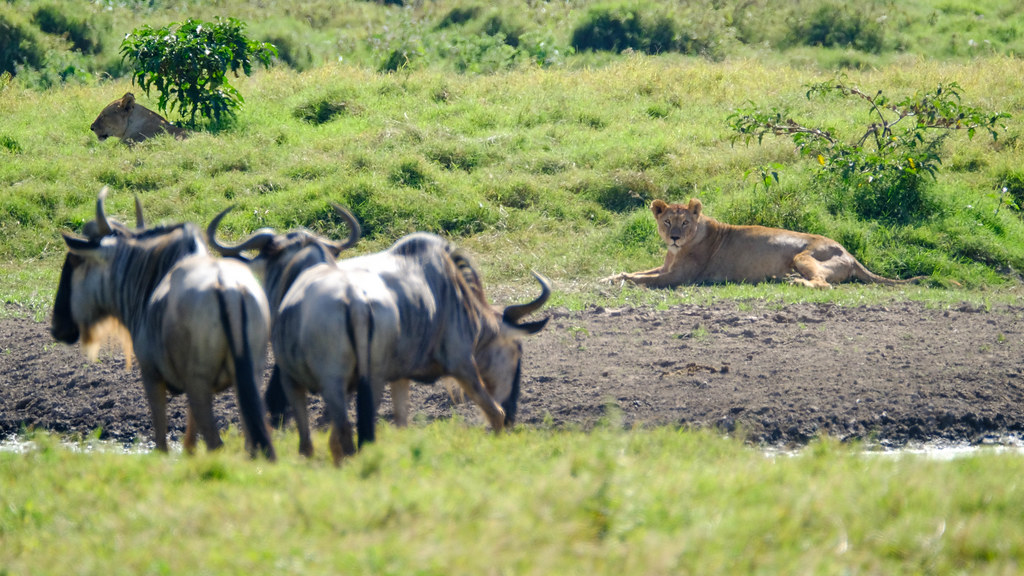
The lion population is managed with GPS-collared individuals allowing the African Parks team to monitor pride movements, identify conflict incidents near the park boundary, and track the population growth trajectory. Self-drive visitors who want to maximise lion viewing probability should focus their game drives on the northern section of the park (accessed from the north gate, approximately 55 kilometres from the south gate where most visitors enter) in the early morning from the first light of dawn through approximately 9 am, when prides are most active.
The African Parks game-tracking team periodically reports current lion pride locations, and the camp and lodge staff at the Akagera accommodation areas receive daily wildlife sighting reports that can guide game drive planning for the day. Black rhino were reintroduced to Akagera in 2017 from European zoos that maintained the last survivors of what had been the regional black rhino population: 18 individuals were translocated in the first reintroduction, with the captive-bred animals representing the most viable remaining genetic material from the historical East African black rhino population.
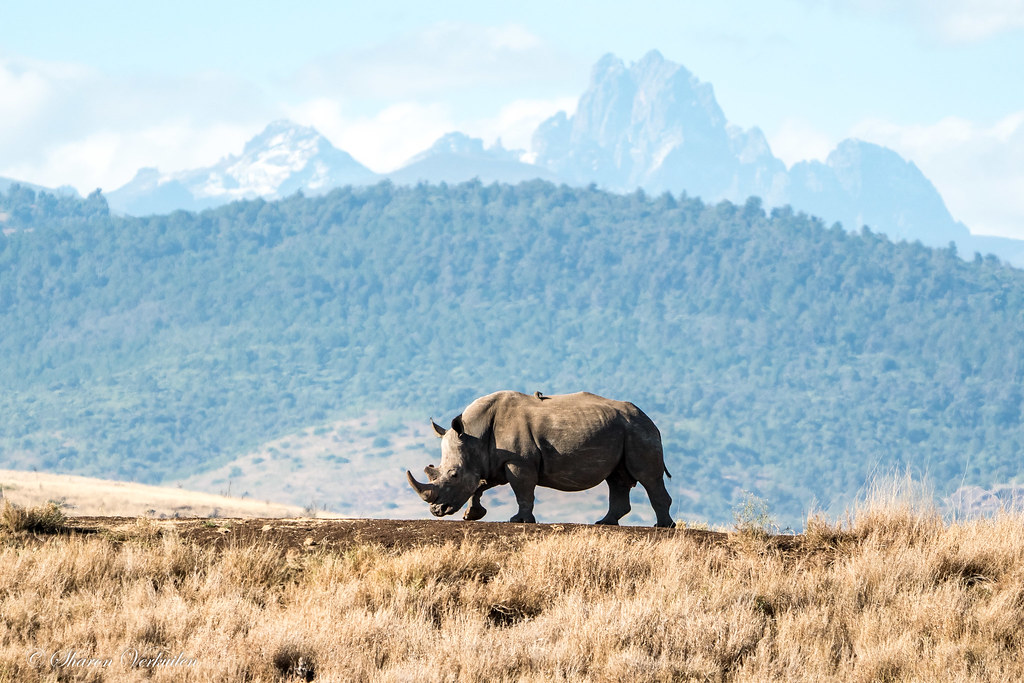
A second cohort was introduced subsequently. The Akagera black rhino population is managed within the highest-security anti-poaching zone in the park, and the population is monitored intensively. Self-drive visitors have an opportunity to see black rhino on guided rhino-tracking walks (booked at the African Parks camp) or on game drives in the northern protected zone of the park where the current population is concentrated.
Lake Ihema and the Wetland System
Lake Ihema is the largest of the 23 lakes in the Akagera wetland network and the central ecological feature of the park's water system. The lake is a shallow, warm water body of approximately 100 square kilometres connected to the Kagera River system and sustaining one of the largest hippo populations in Rwanda — estimates suggest 1,500 to 2,000 hippo in the Akagera lake system as a whole, with the majority concentrated in Lake Ihema and the adjacent lakes Shakani, Rwanyakazinga, and Birengero.
The Lake Ihema boat trip is operated from the Akagera Safari Lodge jetty and is the most productive single wildlife activity in the park for hippo, Nile crocodile, and waterbirds at close range. The open-sided pontoon boat travels along the lake shore and the connected channels, approaching hippo pods at close range, pulling alongside crocodile basking on the banks, and navigating under the overhanging vegetation of the lake margins for waterbird encounters.
The bird list for Lake Ihema alone exceeds 100 species: African fish eagle calling from every large lakeside tree, the majestic saddle-billed stork stalking the shallows, the African skimmer skimming the water surface at dawn, crowned crane pairs on the grass verge, little bee-eater on overhanging branches, and the occasional shoebill in the papyrus channels that connect the lakes.
The shoebill (Balaeniceps rex) at Akagera is a significant sighting, as the species is primarily associated with Uganda and Sudan in the travel literature and few visitors expect to encounter it in Rwanda. The boat trip operates in the morning and afternoon, with the morning departure (6:30 am) producing the most active hippo and waterbird activity and the best light for photography.
Elephant frequently visit the lake shores in the early morning and are visible from the boat at the lake's northern and southern ends. The Lake Ihema boat trip requires a separate booking with the Akagera Safari Lodge or the African Parks office, and is not included in the standard park entry fee.
The Akagera Self-Drive Game Drive Circuit
The Akagera self-drive game drive circuit covers two main zones: the southern and central savannah section accessed from the main south gate (where the park headquarters and the Akagera Safari Lodge are located), and the northern section accessed via the longer drive through the centre of the park or from the separate north gate. The southern zone is characterised by open grassland savannahs with scattered acacia, rolling hills, and the lake system; the northern zone has a more varied terrain with rocky escarpments, denser bush in the valleys, and the most remote sections of the park where the lion population currently ranges most widely.
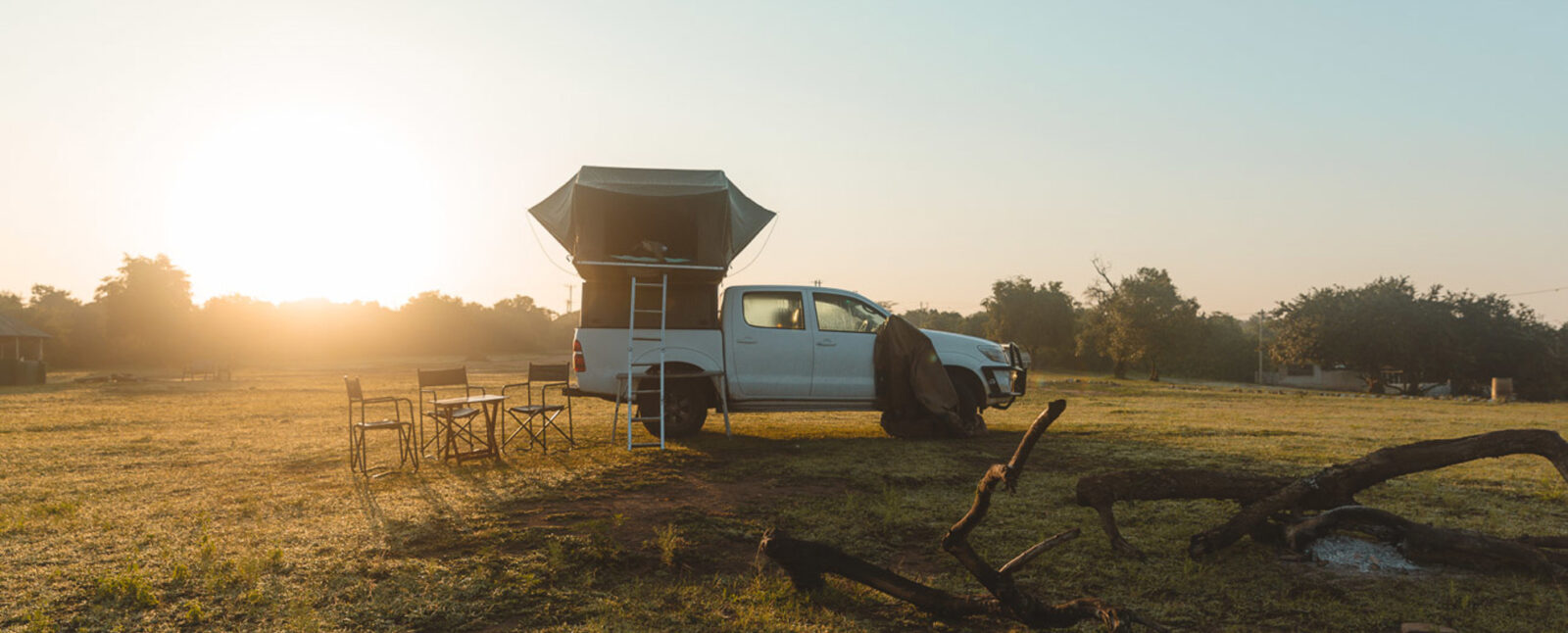
A complete Akagera self-drive circuit typically allocates 2 full game drive days: one day covering the lake system, the central savannahs, and the boat trip; and one day driving north to the high escarpment viewpoints and the lion territories. The park's internal roads are maintained murram tracks with some sealed sections near the lodge and headquarters, well within the Toyota Prado's capability in any season.
The Akagera climate is drier than the lake-effect climate of Volcanoes and Nyungwe, with dry season conditions from June to September and January to February producing firm, well-drained game drive tracks. The wet season (March to May and October to November) makes the low-lying areas around the lake shores very soft and the recommended vehicle in wet season is the Toyota Land Cruiser V8. Safari in the eastern sector of the park along the Tanzania border provides sightings of topi, roan antelope, and oribi, species that do not occur in Rwanda's other parks.
Eland, the world's largest antelope, and impala are common on the open savannah plains in both the northern and southern sections. For Akagera vehicle hire from Kigali, see the Rwanda car rental page. For park fee information and booking guidance, see the Rwanda practical information page.
To enquire about the Akagera circuit, use the book now page or see the Rwanda 3-parks loop guide for the complete Rwanda circuit.
Akagera's Bird List and the Lake System Waterbirds
Akagera National Park holds one of the most diverse and most accessible bird communities in Rwanda, with a park bird list of over 525 species representing the combined avifauna of the savannah grassland, the lake and wetland system, the acacia and riverine woodland, and the rocky escarpment habitat zones. The lake system — 23 interconnected lakes and the Kagera River wetlands that occupy the eastern third of the park — is the single most productive birding environment in Rwanda: the Lake Ihema boat trip alone typically produces 60 to 80 species in a single 2-hour session including the shoebill, the African skimmer, the African fish eagle, the grey crowned crane, the saddle-billed stork, the goliath heron, and large flocks of open-billed stork and yellow-billed stork on the shallow lake margins.
The shoebill (Balaeniceps rex) at Akagera is consistently the species that most surprises Rwanda visitors: the shoebill is strongly associated with Uganda's Murchison Falls and the Nile wetlands in travel writing, and its presence in Rwanda's eastern lakes is less well-publicised, yet the Lake Ihema and Lake Rwanyakazinga section of the Akagera lake system is one of the most reliable shoebill locations in the entire Africa range.
The bird sits motionless in the papyrus edges of the smaller channels connecting the lakes, and the flat-bottomed boat used for the Lake Ihema trip can navigate into these channels to approach the bird at close range. The open savannah of Akagera's northern section is the most productive grassland birding zone in Rwanda, with endemic Albertine Rift species including the red-faced barbet, the white-tailed blue flycatcher, and the papyrus yellow warbler in the lake-edge papyrus beds.
The reptile list at Akagera includes the Nile monitor lizard (frequently seen on lake banks and park roads), the African rock python (longest snake in Rwanda, occasionally crossing park roads), and the Nile crocodile on the Lake Ihema sand spits and the Kagera River banks. The boat trip is by far the most productive method for crocodile sightings, with multiple large individuals (up to 4 metres) regularly seen basking within 10 metres of the boat on the Lake Ihema southern banks.