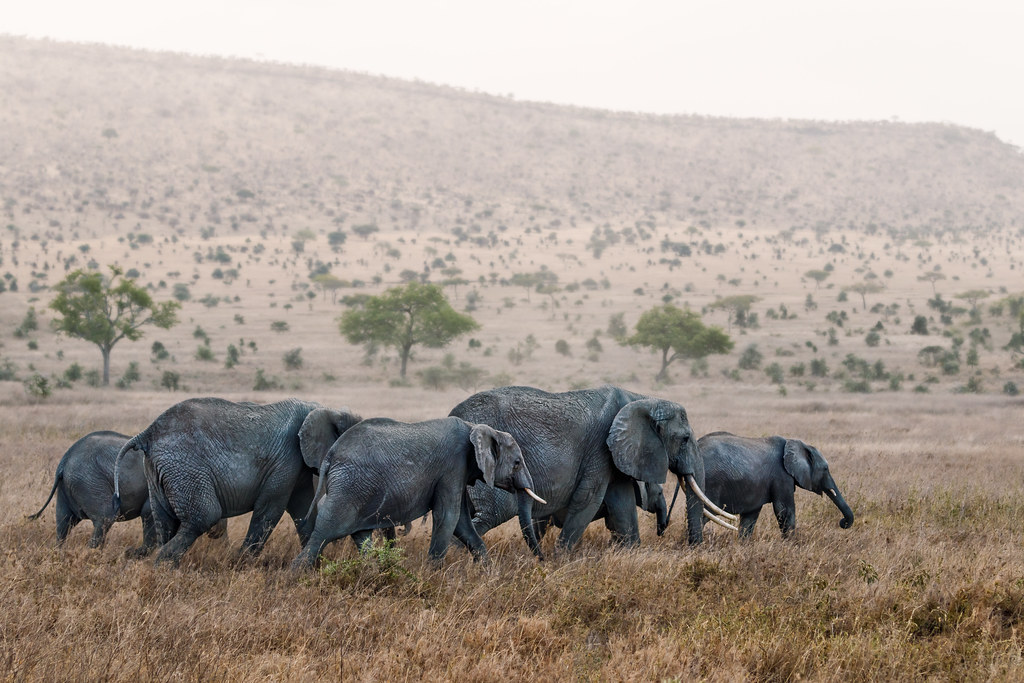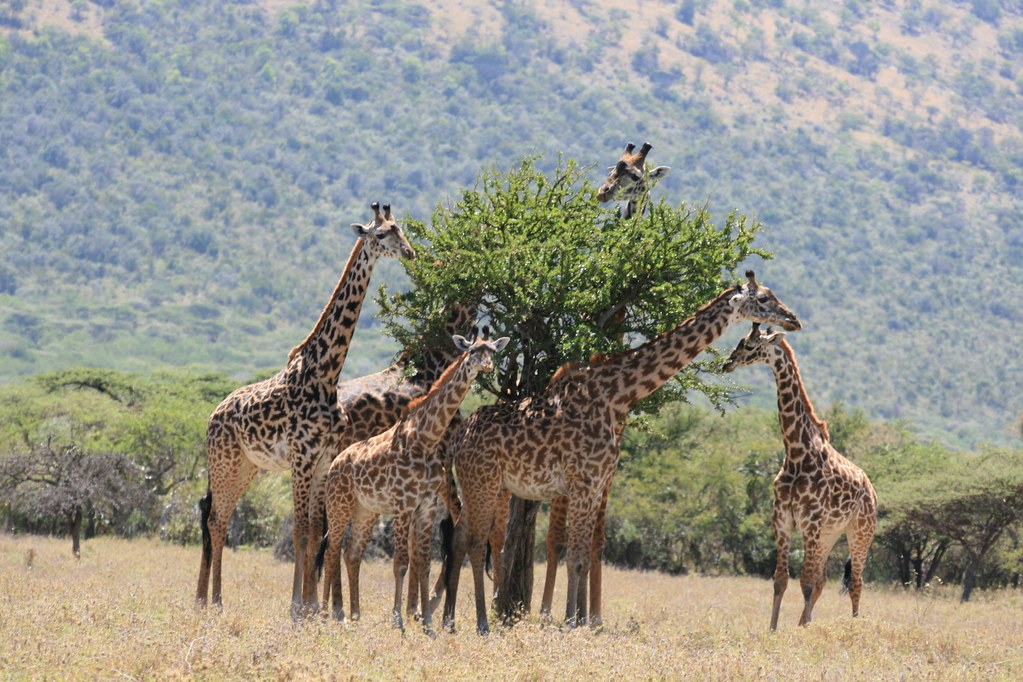

The Masai Mara National Reserve is the most celebrated self-drive safari destination in East Africa and the single most iconic wildlife venue in the world — a 1,510 square kilometre reserve in south-western Kenya that forms the northern extension of the Serengeti-Mara ecosystem and contains some of the highest concentrations of large mammals on earth. The Masai Mara's fame rests on two foundations: the quality and variety of its year-round resident wildlife (lion, leopard, cheetah, elephant, buffalo, hippo, giraffe, and a diverse supporting cast of plains game are present every month of the year at densities that consistently produce multiple big cat encounters in a single game drive day), and the Mara River crossing spectacle that makes the Masai Mara the destination of the world's largest terrestrial animal migration from approximately July through October.
This page provides the self-drive circuit guide for the Masai Mara, covering the approach from Nairobi, the specific game drive zones within the reserve and its surrounding conservancies, the migration timing, and the vehicle requirements for wet and dry season driving in the Mara.
Getting to the Masai Mara from Nairobi
The Masai Mara National Reserve is 260 kilometres south-west of Nairobi, accessed via the B3 highway through Narok town and then south on the C12 to one of three main gates: Sekenani gate (the most frequently used, serving the main Mara Triangle and the Narok-side accommodations), Talek gate (serving the eastern Mara and the Talek River area), or Sand River gate (the southern gate, used mainly for vehicles coming from the Tanzania border direction).
The drive from Nairobi to Sekenani gate is approximately 5 to 5.5 hours in normal traffic — the road is sealed tarmac to Narok (160 kilometres from Nairobi) and then murram for the final 100 kilometres from Narok to the gate. The Narok-to-Sekenani murram section is maintained by the Narok County and is in generally good condition in the dry season, with corrugations that develop in the busy migration season months.
In the wet season (April to May and October to November), sections of the murram between Narok and the Mara can become very soft and in places impassable for 2WD vehicles, though a 4WD handles the approach in any condition. The drive is entirely on the B3 highway and then the C12 and requires no specialist navigation knowledge — Narok is the main junction town and is clearly signed from Nairobi.
Fuel in Nairobi before departure, then again at Narok (the last reliable fuel before the gate), and carry a spare 10-litre can for the return leg from the reserve to Narok in case the Narok station is closed on the return day.
Game Drives in the Mara: Zones and Tracks
The Masai Mara is divided between the main KWS-managed reserve (the Mara Triangle and the area east and south of the Mara River) and several private community conservancies on the northern boundary of the reserve (including the Olare Motorogi Conservancy, Naboisho Conservancy, Lemek Conservancy, and Mara North Conservancy). The KWS reserve is open to all self-drive visitors with a loaded KWS Multicurrency Card, and the internal game drive tracks are well-maintained murram covering the open plains, the Mara River bank, and the lugga (seasonal watercourse) areas where leopard and cheetah are most commonly found.
The Mara Triangle — the western section of the reserve, west of the Mara River — is managed by the Mara Conservancy and requires a separate gate fee in addition to the KWS entry; it is generally considered to have the most productive lion and cheetah habitat and the most dramatic Mara River crossing points.
The private conservancies to the north of the reserve require a conservancy fee and in most cases a conservancy-employed guide in the vehicle, and do not permit independent self-drive movement. The most productive self-drive game drive areas within the KWS reserve are the plains east of the Mara River from Sekenani gate toward the Talek River (the open grassland where cheetah families are commonly seen in the morning and where lion prides move at dawn and dusk), the Mara River bank south of Governors' Camp (the most reliable site for morning and afternoon leopard sightings in the large fig trees overhanging the bank), and the Musiara swamp at the northern end of the reserve (adjacent to the Mara River, the site of the most dramatic wildebeest crossings during the migration).
The Wildebeest Migration: Timing and What to Expect
The wildebeest migration at the Masai Mara is not a single event with a precise date — it is a period of 3 to 4 months (approximately July through October, with peak Mara River crossings typically in August and September) during which approximately 1.5 million wildebeest and 300,000 zebra that have spent the wet season on the Serengeti plains in Tanzania move north into Kenya, following the rains that produce fresh grass on the Kenyan side of the ecosystem.
The Mara River crossings — where the massed herds attempt to cross the river in the face of large crocodile populations waiting in the water — are the most spectacular element of the migration and the images most associated with the Masai Mara worldwide. A crossing occurs when a lead animal approaches the river bank, the massed herd behind it builds pressure, and eventually the instinct to follow the herd's movement overwhelms the individual's hesitation at the water's edge.
The crossings are unpredictable in timing — the herd may stand at the bank for several hours before suddenly charging into the water, or may approach and retreat multiple times over the course of a day. Self-drive visitors who position themselves at the known crossing points on the Mara River (the most frequently used crossing points are near Paradise Plain on the north bank and near the Mara Serena bridge) in the early morning and remain patient through the day have the best probability of witnessing a crossing.
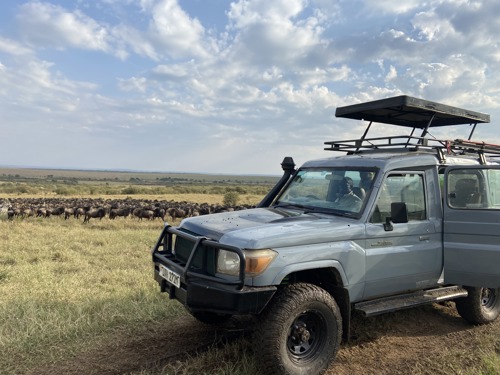
Attempting to predict the precise day and hour of a crossing in advance is not reliably possible even for experienced guides. The wildebeest are present in the Mara in large numbers from July until October, and even in weeks when no major Mara River crossing occurs, the density of wildebeest on the plains is the most dramatic aggregation of large mammals that most visitors will ever witness — the horizon-to-horizon coverage of the open Mara plains by the dark moving mass of wildebeest during the migration period is an extraordinary spectacle in its own right independent of the river crossing.
Year-Round Big Cat Viewing at the Mara
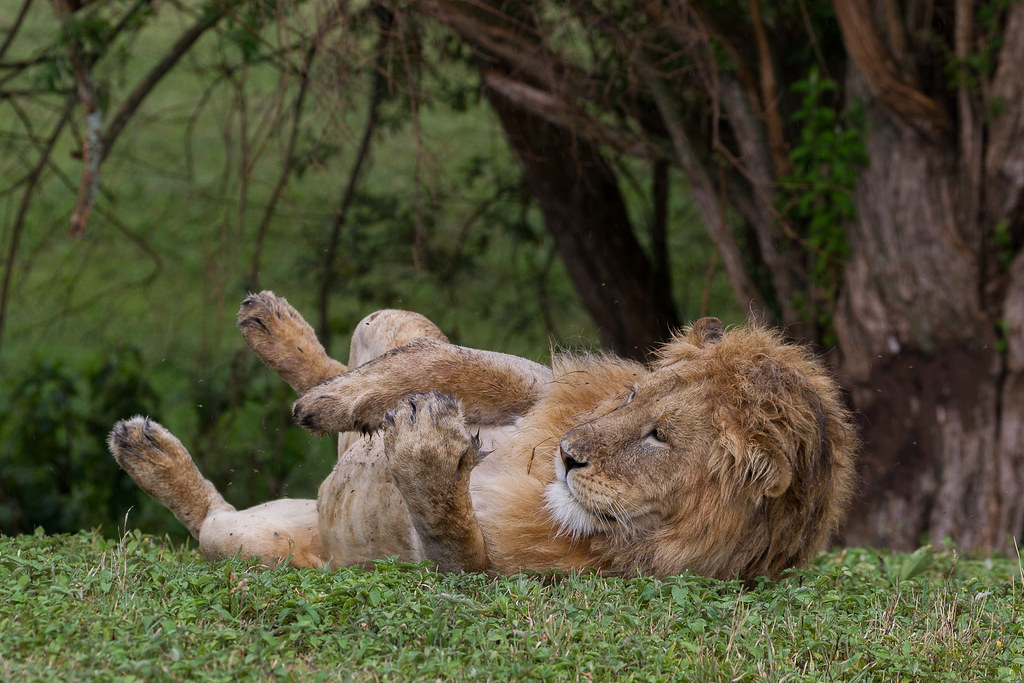
The Masai Mara's resident lion, leopard, and cheetah populations make it the most consistently productive big cat viewing destination in East Africa in any season, not just during the migration. The reserve maintains a year-round lion population of approximately 850 to 900 individuals across multiple prides — the Rekero pride, the Ridge pride, the Marsh pride (made famous by the BBC's Big Cat Diary and its successor productions), and dozens of other named and monitored groups.
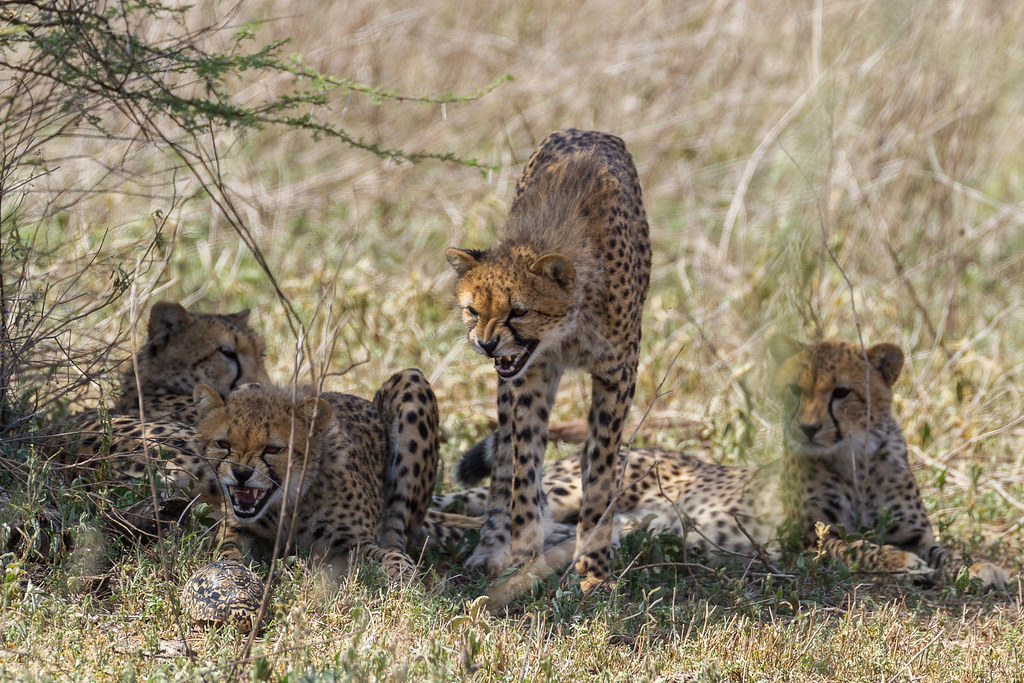
A dedicated self-drive visitor spending 3 mornings and 3 afternoons on game drives in the central Mara will encounter lion on the great majority of these drives. Cheetah — the fastest land animal and one of the most challenging to observe in most East Africa parks — are encountered in the Mara with exceptional reliability because the short-grass open plains provide the ideal combination of grassland habitat and long sightlines.
Leopard in the Mara favour the riverine vegetation along the Mara and Talek rivers, where the large fig trees and the dense understory provide both resting sites and ambush positions; the river bank area near Governors' Camp and the stretch south toward the Serena area are the most consistent leopard zones and benefit from early morning exploration before the roads become busier.
Masai Mara Circuit Logistics and Practical Notes
The Masai Mara gate entry fee for non-residents is paid via the KWS Multicurrency Card — no cash is accepted at the Mara gate. The card must be pre-loaded with sufficient funds before departure from Nairobi, as the card purchase and loading process requires internet access and a payment method. The daily non-resident fee at the Masai Mara is among the highest of any Kenya KWS park, reflecting the reserve's status and visitor demand.
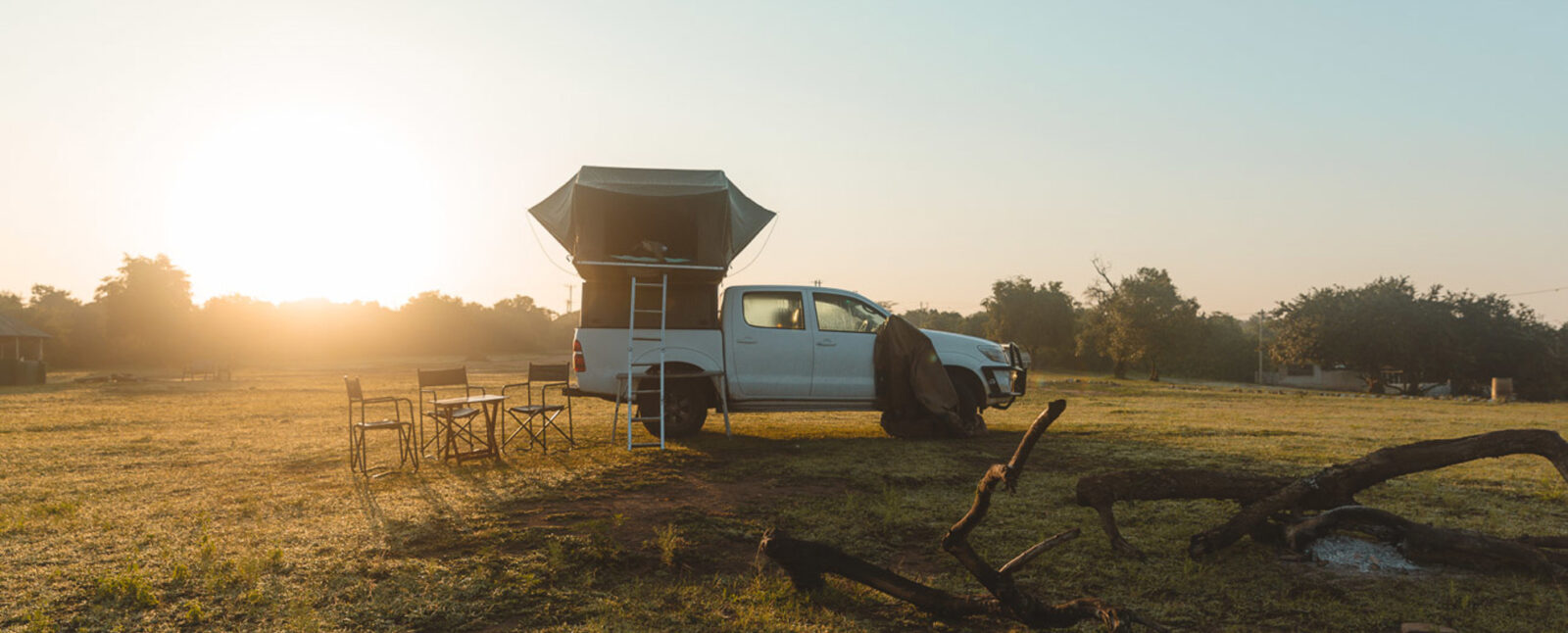
Vehicle hire for the Masai Mara self-drive circuit is from Nairobi JKIA or the Nairobi Westlands office. The Toyota Prado is the recommended vehicle for the Masai Mara in the dry season (June to October dry windows and December to March). The Land Cruiser V8 is recommended for the wet season or for visitors who plan to drive the Mara Triangle's more demanding tracks during and after heavy rain.
The Toyota RAV4 is suitable for the Masai Mara in dry season only, as its lower ground clearance and less robust 4WD system becomes a limitation in the Mara's wet-season waterlogged game drive tracks. See the Kenya car rental page for fleet details and the Kenya practical information page for the KWS card setup guide. For a full Masai Mara vehicle hire enquiry, use the book now page.