
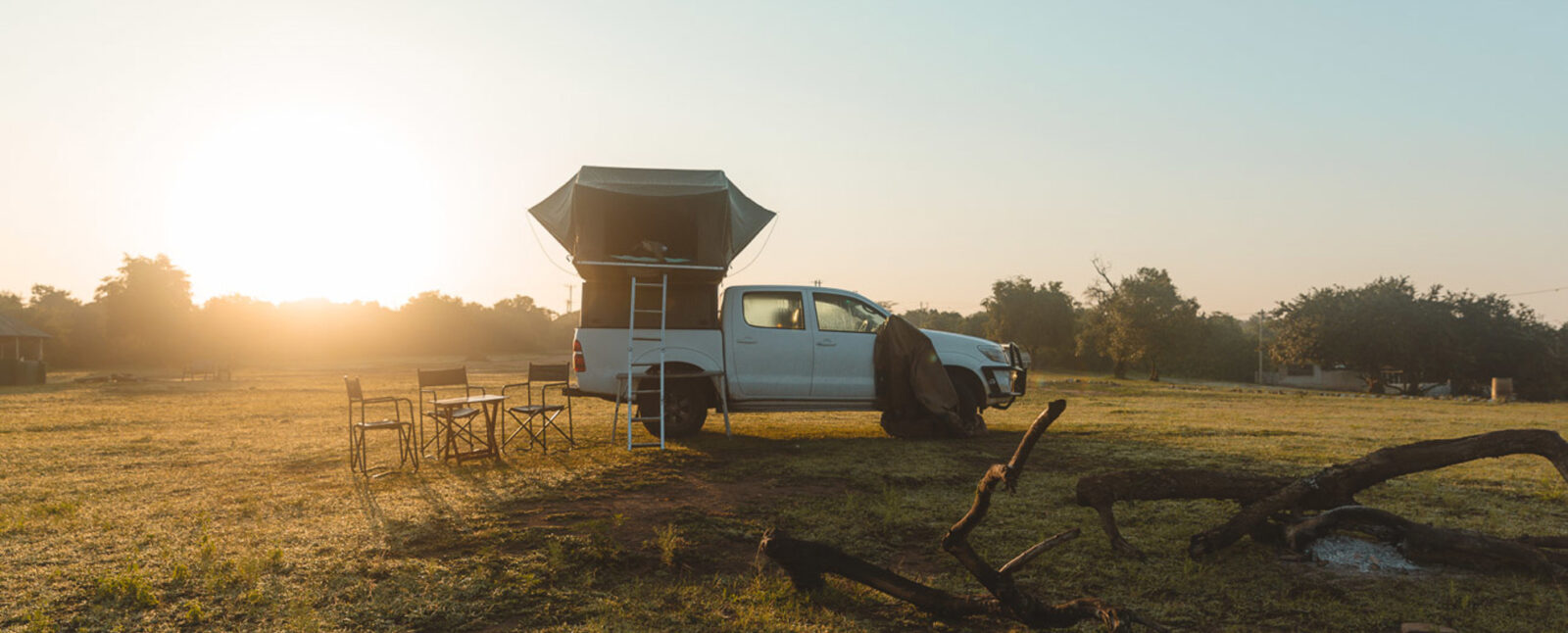

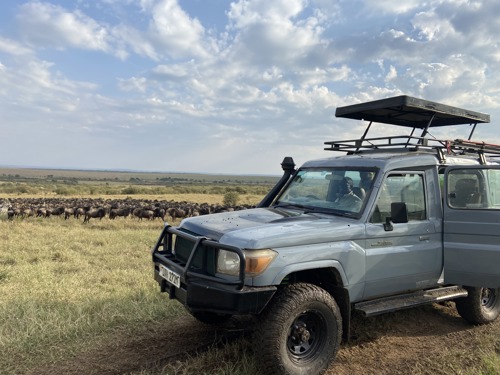
Tsavo National Park, encompassing Tsavo East and Tsavo West as two separately administered but geographically adjacent units, is Kenya's largest national park, a classic self-drive destination, and one of the largest protected areas in the world at over 20,000 square kilometres of total area. Tsavo's landscape is dramatically different from the Masai Mara's green open plains: the dominant colours are the deep red volcanic soil, the rust-red dust that coats everything in the dry season, and the dark green of the doum palms and the riverine forest along the Galana and Tsavo rivers.
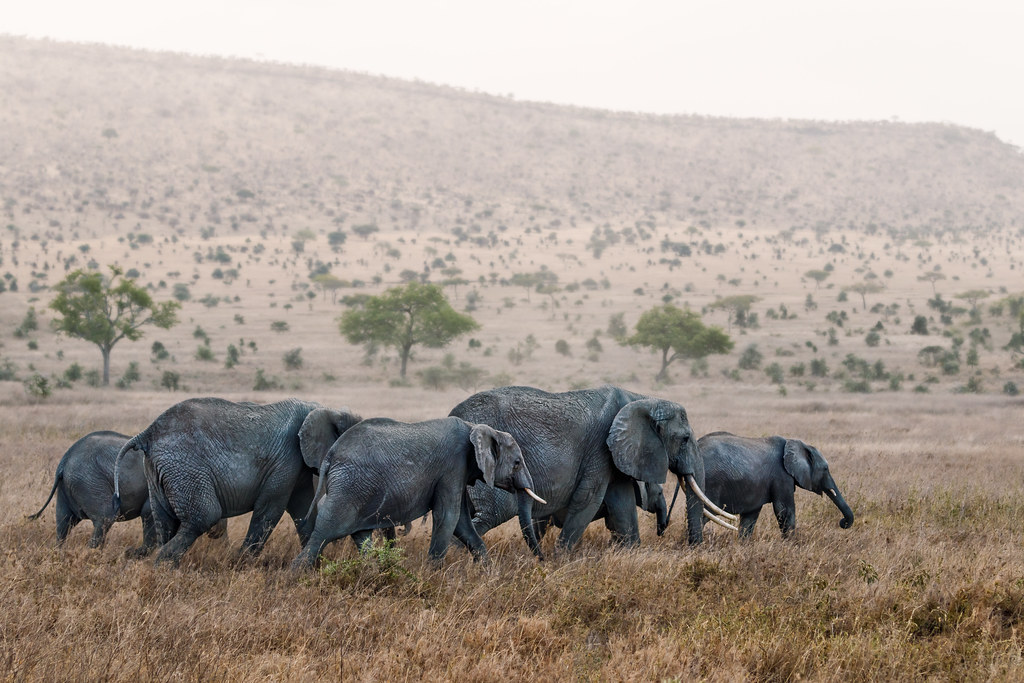
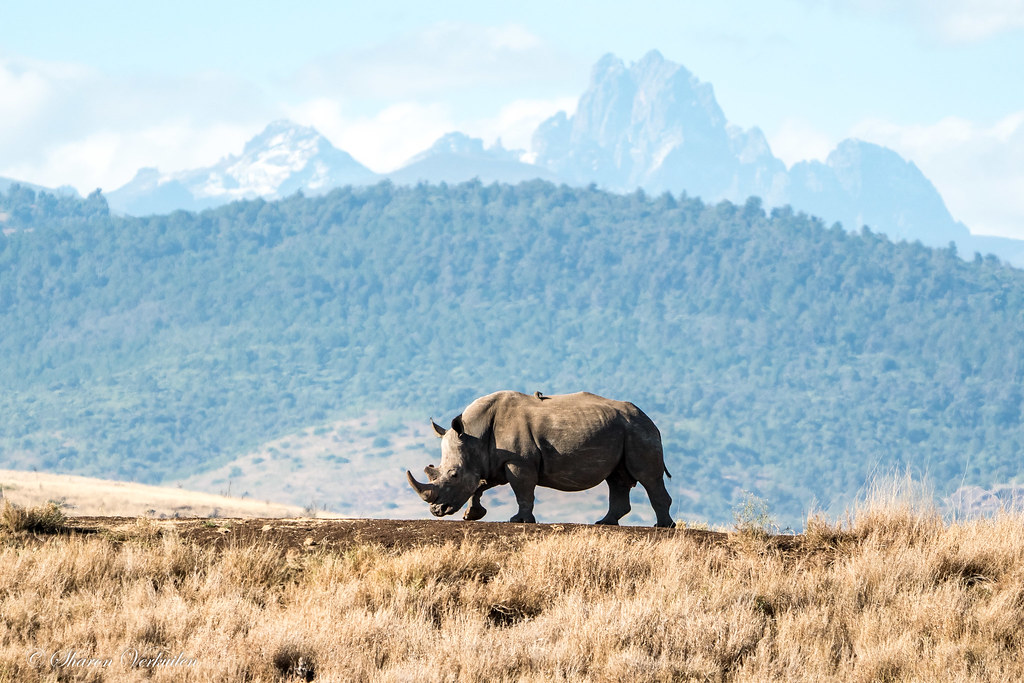
Tsavo's elephants are the most visually distinctive in Africa: their habitual wallowing in the red volcanic soil gives them a permanently rust-red coat unique to this population and immediately recognisable in photographs. Tsavo East holds one of Kenya's largest elephant populations at approximately 12,000 to 14,000 individuals. Tsavo West contains the Mzima Springs, the Shetani lava flow, the Chyulu Hills, and a protected black rhino population.
Together the two parks provide a safari experience fundamentally different in atmosphere and landscape from any other Kenya destination, and Tsavo is frequently underrated by first-time visitors who focus on the Masai Mara and Amboseli — a significant oversight for anyone who wants to see the full range of Kenya's wildlife and landscape diversity.
Why Tsavo's Elephants Are Red
The red-dusted elephants of Tsavo are one of the most visually distinctive wildlife populations in East Africa. The characteristic red colouration has a straightforward explanation: the elephants habitually wallow in the red volcanic soil (laterite) that covers the majority of Tsavo's surface, coating their skin with the iron-rich clay that then dries to produce the rust-red appearance.
Elephant wallowing serves multiple practical purposes in the Tsavo environment: the dried soil coating provides protection against biting insects (particularly tsetse fly and mosquitoes, which are a significant burden in the wetter parts of Tsavo near the rivers), sunburn on the grey skin, and skin parasites. The evaporative cooling of the wet mud before it dries also provides short-term thermoregulation in Tsavo's hot, dry climate.
Tsavo's elephants are particularly enthusiastic wallowers compared to elephant populations in moister environments, reflecting the higher insect burden and temperature extremes of the drier Tsavo landscape. The wallowing behaviour is most active and visible at the waterholes and the river pools during the midday heat period, when elephant families visit water sources in large numbers, take turns wallowing in the muddy banks, and dust themselves with dry soil after the wallow.
The red colouration is strongest in the dry season when soil dust is most concentrated in the air, and fades to a less intense colouration in the wet season when the rains wash away the surface soil coating. Visitors who photograph Tsavo elephants in the mid-morning sun against the deep red soil produce some of the most distinctive and recognisable elephant images in East Africa photography.
Tsavo East: The Galana River and Lugard Falls
Tsavo East is the larger and flatter of the two Tsavo parks, covering the north-eastern section of the Tsavo ecosystem. The Galana River is the central ecological feature of Tsavo East, providing permanent water through the park's interior and creating the riverine habitat that concentrates the park's wildlife during the dry season. The game drive track along the Galana River's north bank runs for approximately 60 kilometres between the Tsavo East headquarters area and the Lugard Falls gorge, and this track is the most productive single game drive route in the park.
The elephant concentration at the Galana River in the dry season is the most reliable elephant viewing in Tsavo East: herds of 30 to 80 individuals come to the river multiple times per day, and the track along the bank allows close vehicle approach to the drinking and wading herds. Crocodile are abundant on the Galana's sand banks and in the deeper pools — the most reliable crocodile viewing is at Crocodile Point, 15 kilometres west of Lugard Falls, where a concentration of large Nile crocodile basking on exposed sand in the midday sun is a regular sight.
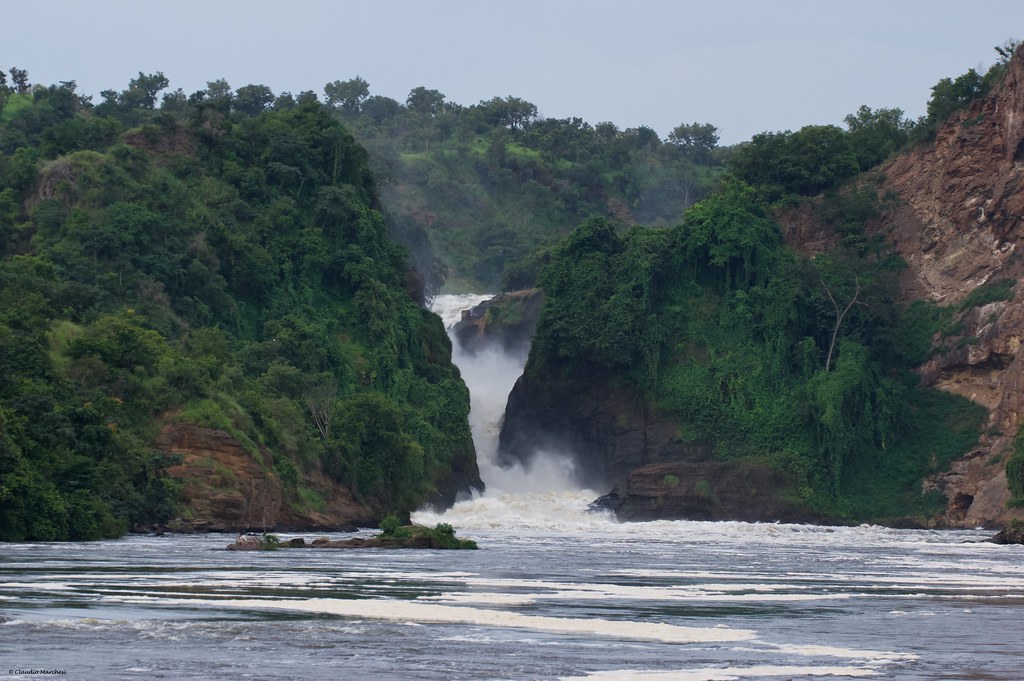
Lugard Falls itself is a series of sculpted water chutes and rapids where the Galana forces its way through a narrow gorge of polished trachyte lava: the rock formations, polished smooth by millennia of river flow and sculpted into rounded potholes and water-carved channels, are among the most photographically attractive geological features in any Kenya park.
The Yatta Plateau, the world's longest lava flow at 290 kilometres following the eastern boundary of Tsavo East, provides the dramatic flat-topped escarpment visible from the game drive tracks throughout the central park area. The main entry gates are the Voi gate (170 kilometres from Nairobi on the A109 highway) and the Mtito Andei gate (230 kilometres from Nairobi), which is midway between Nairobi and Mombasa.
Tsavo West: Mzima Springs and Volcanic Landscapes
Tsavo West is the western and topographically more varied section of the Tsavo ecosystem. The Shetani lava flow is a black, bare lava field that erupted from a shield volcano approximately 200 to 500 years ago, covering 50 square kilometres in a chaotic landscape of sharp black volcanic rock with no soil development and minimal vegetation.
The Chyulu Hills on the western boundary of Tsavo West are a chain of young volcanic hills and craters with distinctive emerald-green vegetation cover from their higher rainfall, providing the backdrop visible from Amboseli National Park to the north-west. The Mzima Springs are the most famous single attraction in Tsavo West. A set of freshwater springs that emerge from ancient volcanic rock aquifers fed by the Chyulu Hills rainfall, Mzima produces a flow of approximately 227 million litres of crystal-clear fresh water per day in the middle of the surrounding semi-arid bush.
The springs sustain a permanent hippo population in water clear enough to watch from an underwater viewing chamber built into the pool bank, allowing visitors to observe hippos and fish from below the water surface in complete clarity. Crocodile are also present at Mzima and visible from the raised viewing platforms at the main pool.
The drive between Mzima Springs and the Kilaguni area provides excellent lion, cheetah, and buffalo game drive tracks in the varied volcanic terrain of Tsavo West.
Combining Tsavo East and West: The Complete Circuit
A combined Tsavo East and West circuit allows the visitor to experience both parks' distinct attractions in a single journey. The most efficient route connects the two parks via the C103 road that runs between Voi and Mtito Andei. A 3 to 4 day Tsavo circuit from Nairobi typically follows this sequence: Day 1 drive from Nairobi to Tsavo East via Mtito Andei gate (3.5 hours, entering the park for the afternoon game drive along the Galana River road toward Lugard Falls); Day 2 full day in Tsavo East including the dawn game drive on the Galana River bank for elephants and crocodile, the Lugard Falls visit, and the Yatta Plateau road; Day 3 cross from Tsavo East via Voi to Tsavo West for afternoon game drive in the volcanic landscape; Day 4 morning at Mzima Springs and the Kilaguni area, afternoon drive out via the Tsavo gate and back to Nairobi (approximately 4 hours).
For Tsavo vehicle hire from Nairobi, see the Kenya car rental page. For KWS card setup and Tsavo park fee information, see the Kenya practical information page. To enquire about Tsavo circuit vehicle hire, use the book now page.
Tsavo Combined with the Kenya Coast
Tsavo National Park's location on the A109 highway between Nairobi (240 kilometres) and Mombasa (230 kilometres) makes it the most natural safari addition for visitors whose Kenya trip includes a period on the Indian Ocean coast. Visitors flying into Mombasa and beginning their Kenya coastal stay at the beach can add a 3 to 4 day Tsavo circuit at the mid-point of the trip before returning to the coast, or place Tsavo at the start of the coastal trip before the beach extension.
The drive from Mombasa's Nyali Bridge to the Mtito Andei gate is approximately 3 hours on the A109 highway, all sealed tarmac and well-maintained. The Voi gate (170 kilometres from Mombasa, 2.5 hours) is an alternative entry for Tsavo East from the Mombasa direction that avoids the Mtito Andei junction and connects directly to the Voi Safari Lodge area and the Manyani gate section of the park's eastern game drive tracks.
Tsavo West's Mombasa gate (35 kilometres from the coast on the C103 road north from Voi town) is the nearest Kenya park gate to the Kenya coast and can be visited on a long day trip from Mombasa coastal accommodation or as a base camp for overnight stays in Tsavo West. The Mombasa-Tsavo combination — typically 2 to 3 nights at the coast, 3 nights at Tsavo, and returning to Mombasa or flying out via Mombasa — is one of the most convenient and popular Kenya combinations for visitors who do not need to pass through Nairobi.
The Car Hire 4x4 Drive fleet includes vehicles available for collection at Mombasa for one-way circuits to Nairobi via Tsavo, or round-trip coastal circuits with a Tsavo safari component as the wildlife segment. See the Kenya car rental page for Mombasa collection options and the book now page to enquire about Mombasa-based circuits. For visitors combining Tanzania with the Kenya coast, the Tanzania self-drive tours page covers the circuit from Arusha that can be combined with Mombasa via the Lunga Lunga border crossing on the coast road.