The Serengeti's wildlife calendar is determined by a single ecological driver: the wildebeest migration. The 1.5 million wildebeest (plus 200,000 zebra and 350,000 Thomson's gazelle) that circulate the Serengeti-Mara ecosystem follow the rains counterclockwise — and their position in this circuit determines which sector of the Serengeti is most active, which predators are concentrated, and what the landscape looks like at any given time of year. Understanding where the migration is, why it is there, and what accompanies it in each month allows visitors to plan the Serengeti visit that best matches their interests — whether calving season's predator intensity, the river crossing drama, or the birding of the green season. This month-by-month 2025 guide covers the complete Serengeti wildlife year.
January – February: Calving Season in the Southern Serengeti
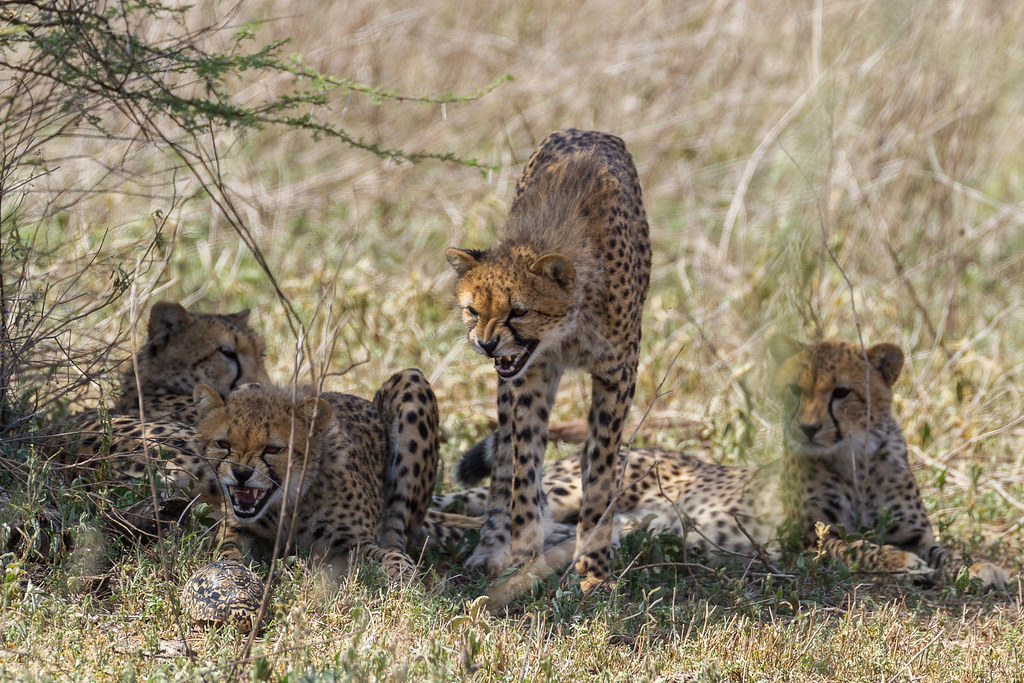
The migration herds are in the Ndutu area of the southern Serengeti/NCA during January–February — the short-grass plains that provide the mineral-rich grazing that supports calving. Approximately 500,000 wildebeest calves are born in a 3–4 week window (typically late January–mid February, so precisely timed that the mass simultaneous birth overwhelms predator capacity to respond). The calving-season predator activity is extraordinary: lion, cheetah, hyena, and wild dog all converge on the Ndutu/southern Serengeti during calving — this is the highest predator activity density of the Serengeti year. The predator-prey ratio at Ndutu during calving is the most favourable for predator observation of any time or place in East Africa. Ndutu accommodations (Ndutu Safari Lodge, &Beyond Ndutu under Canvas) book out months ahead for the peak calving weeks.
March – May: Green Season and Migration South
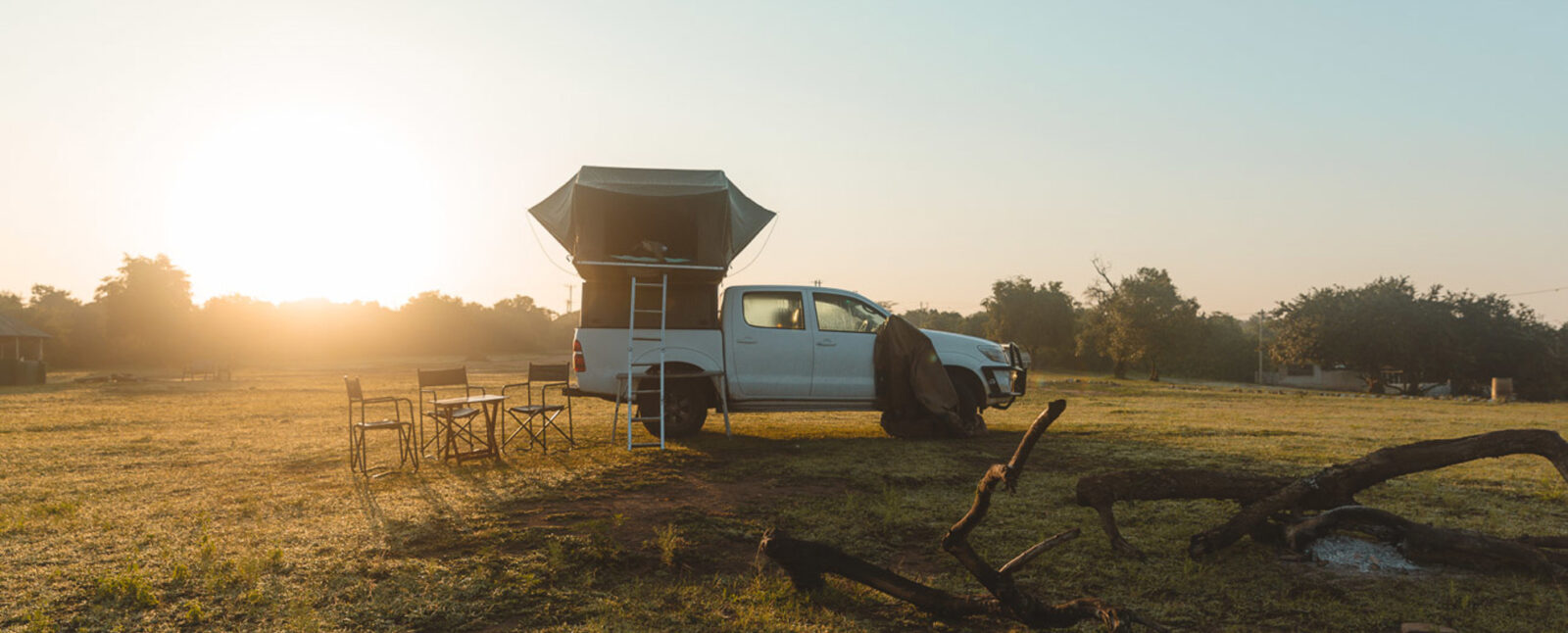
Planning your East Africa self-drive circuit? Car Hire 4x4 Drive provides fully-equipped 4x4 vehicles for Uganda, Kenya, Tanzania, and Rwanda with COMESA insurance and cross-border documentation included. See how the booking process works or send a circuit enquiry for a quote within 24 hours.
The long rains (March–May) transform the Serengeti — the short-grass plains of the south turn green, the migration herds disperse across a wider feeding area, and the Serengeti's vegetation reaches peak lushness. Migration position: southern/central Serengeti in March, beginning the northward push in April–May as the southern grass quality declines. Green season advantages: the Serengeti's landscapes are most visually dramatic (golden acacia trees against green plains, dramatic rain clouds over the kopje outcrops); far fewer vehicles (20–30% of peak season numbers); better accommodation availability and sometimes lower rates; and the incredible birdwatching (the Palearctic migrants arrive in March and the breeding season for resident species peaks in the wet season). Green season disadvantage: the central and north Serengeti roads become difficult after heavy rain; some camps close April–May.
June – July: Western Corridor and First River Crossings
The migration's northward movement passes through the Serengeti's western corridor in June — the Grumeti River crossings (smaller in volume than the Mara crossings but with the world's largest Nile crocodile population waiting in the pools) occur in late May–June as the herds push north. This is when the Grumeti concession (Singita Grumeti, Kirawira) produces its most dramatic wildlife. By July, the northern Serengeti (Kogatende sector) receives the first large herds building for the Mara River crossings. July is the best month for the combination of pre-crossing migration herds AND before peak-season vehicle density.
August – October: Mara River Crossings
August–September is the peak river crossing period — the highest probability of witnessing a large-volume Mara River crossing event. August has the most crossings but also the highest vehicle concentration in the Kogatende area. September has excellent crossings with slightly lower vehicle density. October: the first return southward crossings begin as the northern grass quality declines and the herds push south back toward Tanzania. The northern Serengeti in October produces crossings in both directions — herds heading north late, herds heading south early — creating a complex wildlife traffic pattern that produces multiple daily crossing events on good days.
November – December: Short Rains and South Return
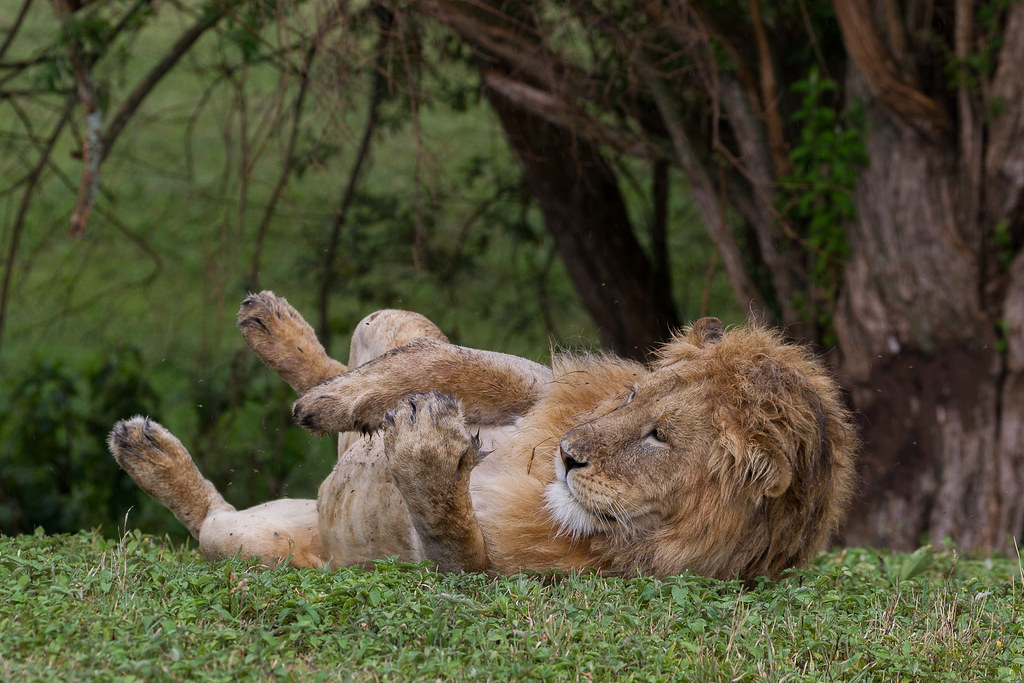
November brings the short rains — the migration herds are moving south through the central Serengeti (Seronera area, the most consistently wildlife-rich sector year-round) and back toward the Ndutu southern plains. The Seronera river system (small rivers running through the central Serengeti) holds permanent water and the largest resident lion prides in the Serengeti — Seronera is the best sector for lion year-round regardless of migration position. December: the herds reach the Ndutu area and the cycle begins again. December is a good Serengeti month — pre-calving herds concentrated in the south, excellent predator activity, and the post-short-rains fresh green landscape.
A 4x4 is essential for circuits that include the Ngorongoro Crater descent (which requires centre differential lock), the Bwindi Impenetrable Forest approach road in wet season, or Kidepo Valley National Park. For circuits that stay on sealed national highways and well-maintained murram roads in dry season a capable 2WD can manage — but the Toyota Land Cruiser V8 GX with full 4WD and diff lock is always the safest and most reliable choice for any East Africa self-drive circuit.
You need a valid driving licence (plus an International Driving Permit if your licence is not in English), the COMESA Yellow Card insurance certificate, a cross-border authority letter from the vehicle owner for each transit country, and the vehicle registration document. Car Hire 4x4 Drive prepares all cross-border documentation for the specific countries on your circuit as part of the standard hire process — no separate arrangement needed.
Yes. Most East Africa self-drive circuits do not require technical off-road skills — the majority of driving is on sealed national highways or well-maintained murram park roads. The vehicle handover at collection includes a full demonstration of the 4WD system. If your circuit includes genuinely technical sections such as the Ngorongoro Crater descent or Bwindi wet-season approach, a car with driver can be arranged for those sections if you have no prior 4WD experience.
Book 4 to 8 weeks in advance for standard circuits. For July to August peak season and December to January, book 3 to 4 months ahead. If your circuit includes gorilla trekking, Uganda permits via UWA should be booked 2 to 6 months ahead and Rwanda permits via the RDB 3 to 9 months ahead — the vehicle booking should align with confirmed permit dates. See the How It Works page for the complete booking process and deposit schedule.
The Toyota Land Cruiser V8 GX is the standard recommendation for any circuit covering two or more countries, or any circuit including Tanzania (Ngorongoro requires mandatory 4WD with diff lock) or Uganda's challenging approach roads. For Kenya-only or Rwanda-only dry-season circuits the Land Cruiser Prado is a cost-effective alternative. For groups of 6 or more passengers, the Toyota Hiace 9-seater safari van with pop-up roof is the most cost-effective per-person option.