
The Serengeti's 500+ recorded bird species make it one of Africa's premier birding destinations — a fact that tends to be overlooked by visitors focused entirely on the wildebeest migration and the Big Five. The park's diversity of habitats — short grass plains, acacia woodland, riverine forest, seasonal wetlands, and kopje rock outcrops — supports an extraordinary range of species from the giant ostrich to the tiny sunbird. Whether you are a dedicated bird photographer or a casual observer adding birds to your game drive experience, the Serengeti's avifauna provides constant entertainment throughout any safari day. This guide covers the key species, the best birding areas, and how to structure your Serengeti visit around both wildlife and birds.
The Short Grass Plains: Grassland Giants and Raptors
The open short grass plains between Naabi Hill gate and Seronera are some of East Africa's finest open-country birding grounds. The absence of tall vegetation creates 360-degree visibility and makes large ground birds easy to spot from considerable distance:
- Ostrich (Struthio camelus): The world's largest bird, commonly seen in pairs or small groups on the plains. Males in breeding plumage display striking pink neck coloration contrasting with black-and-white body feathers. Groups of 5-15 ostriches with chicks are common January-March.
- Secretary bird (Sagittarius serpentarius): This extraordinary raptor walks tall on stilt-like legs across the savanna, hunting snakes, lizards, and large insects. It stamps on prey with its powerful feet to kill rather than using its talons. A walking pair of secretary birds in the short grass plains at dawn is a quintessential Serengeti image.
- Kori bustard (Ardeotis kori): Africa's heaviest flying bird (males up to 19 kg) walks slowly through the grass, feeding on seeds, insects, and small reptiles. The male's display in the breeding season — puffing out the throat feathers and spreading the wing to flash white undertail coverts — is remarkable. The Serengeti has one of Africa's largest kori bustard populations.
- Martial eagle (Polemaetus bellicosus): Africa's largest eagle with a wingspan of 1.9m. Critically endangered continent-wide, the Serengeti maintains a significant population. Perches on isolated large acacia trees scanning for prey — spotted mainly from the plains road in morning hours.
- Bateleur (Terathopius ecaudatus): The improbably short-tailed eagle with brilliant red face and feet is one of the Serengeti's most conspicuous raptors — it flies continuously for up to 8 hours per day scanning for carrion and live prey. Frequently seen soaring overhead at all times of day.
Seronera River Valley: Woodland Birds
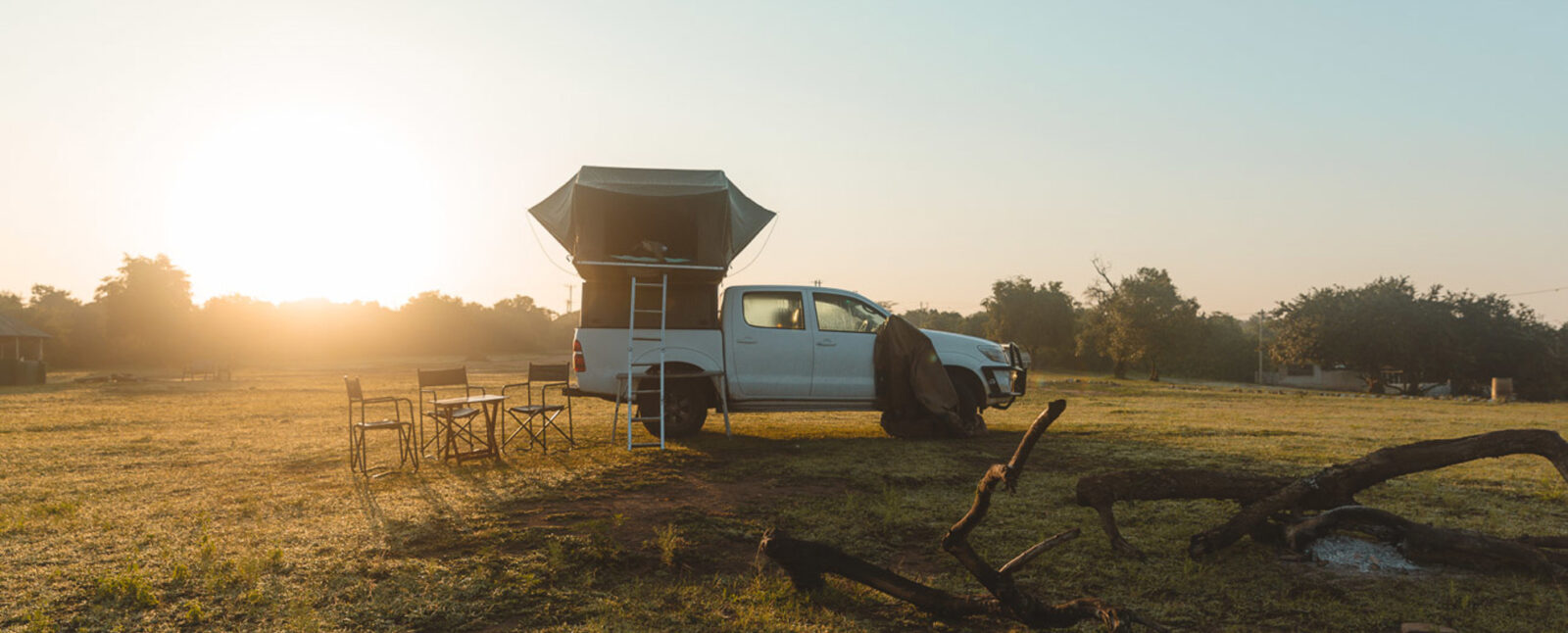
Planning your East Africa self-drive circuit? Car Hire 4x4 Drive provides fully-equipped 4x4 vehicles for Uganda, Kenya, Tanzania, and Rwanda with COMESA insurance and cross-border documentation included. See how the booking process works or send a circuit enquiry for a quote within 24 hours.
The Seronera River's acacia and fever tree woodland hosts a completely different bird community from the open plains:
- African fish eagle (Haliaeetus vocifer): The emblematic bird of East Africa, with its distinctive black-and-white plumage and piercing yelping call. Common on the Seronera River — the fish eagle's call is the sound of African wilderness.
- Grey-capped social weaver: Endemic to Tanzania and Kenya in the Serengeti-Mara ecosystem. Builds elaborate communal nests in acacia trees.
- Lilac-breasted roller (Coracias caudatus): One of Africa's most photographed birds, perches on exposed branches displaying its extraordinary 8-colour plumage. Common throughout Seronera's acacia woodland.
- Superb starling (Lamprotornis superbus): Iridescent blue-green above, chestnut below, with a white breast band — the superb starling is impossible to mistake and genuinely lives up to its name. Abundant at all Seronera-area campsites and lodges.
- Von der Decken's hornbill (Tockus deckeni): The male's enormous orange-and-white bill makes this hornbill unmistakable. Endemic to the dry savanna of East Africa. Common in Seronera's riverine acacia.
The Kopjes: Rock Specialists
The Serengeti's granite kopjes (rock outcrops) provide nesting habitat for species not found elsewhere in the park:
- Verreaux's eagle (Aquila verreauxii): The jet-black eagle with distinctive white back patches nests on cliff faces of the larger kopjes. Specialised on rock hyrax — where hyrax colonies are large, Verreaux's eagles are present.
- Egyptian vulture (Neophron percnopterus): The small white-and-black vulture with distinctive yellow face, globally endangered. Breeds on kopjes throughout the Serengeti. Uses tools — it throws stones to break open ostrich eggs.
- Capped wheatear (Oenanthe pileata): A ground-dwelling bird of open kopje grassland, conspicuous due to its bold black-and-white pattern and upright posture on rock surfaces.
Best Birding Months in the Serengeti
November to April is the prime birding season in the Serengeti, for two reasons: this is when Palearctic migratory birds from Europe and western Asia are present (European rollers, barn swallows, white storks, various warblers and flycatchers), adding 50-60 species to the year-round resident list; and it coincides with breeding season for resident species, when males are in their most brilliant breeding plumage. The short grass plains calving season (January-March) is simultaneously the best wildlife and the best birding period. June-October (dry season) is excellent for raptors and large grassland birds but lower in overall species diversity due to the absence of migratory species.
Recommended Birding Stops on a Serengeti Self-Drive
- Naabi Hill gate area: Short grass plains species — secretary bird, kori bustard, ostrich, crowned plover, rufous-tailed weaver (Tanzania endemic)
- Seronera River road: Woodland species — fish eagle, woodland kingfisher, grey hornbill, social weaver
- Kopje areas (Moru Kopjes, Simba Kopjes): Verreaux's eagle, rock hyrax (not a bird but the eagle's prey — their presence indicates eagle territory), Egyptian vulture
- Retima Hippo Pool (western corridor approach): Waterbirds — African jacana, spur-winged plover, African spoonbill, purple heron
A 4x4 is essential for circuits that include the Ngorongoro Crater descent (which requires centre differential lock), the Bwindi Impenetrable Forest approach road in wet season, or Kidepo Valley National Park. For circuits that stay on sealed national highways and well-maintained murram roads in dry season a capable 2WD can manage — but the Toyota Land Cruiser V8 GX with full 4WD and diff lock is always the safest and most reliable choice for any East Africa self-drive circuit.
You need a valid driving licence (plus an International Driving Permit if your licence is not in English), the COMESA Yellow Card insurance certificate, a cross-border authority letter from the vehicle owner for each transit country, and the vehicle registration document. Car Hire 4x4 Drive prepares all cross-border documentation for the specific countries on your circuit as part of the standard hire process — no separate arrangement needed.
Yes. Most East Africa self-drive circuits do not require technical off-road skills — the majority of driving is on sealed national highways or well-maintained murram park roads. The vehicle handover at collection includes a full demonstration of the 4WD system. If your circuit includes genuinely technical sections such as the Ngorongoro Crater descent or Bwindi wet-season approach, a car with driver can be arranged for those sections if you have no prior 4WD experience.
Book 4 to 8 weeks in advance for standard circuits. For July to August peak season and December to January, book 3 to 4 months ahead. If your circuit includes gorilla trekking, Uganda permits via UWA should be booked 2 to 6 months ahead and Rwanda permits via the RDB 3 to 9 months ahead — the vehicle booking should align with confirmed permit dates. See the How It Works page for the complete booking process and deposit schedule.
The Toyota Land Cruiser V8 GX is the standard recommendation for any circuit covering two or more countries, or any circuit including Tanzania (Ngorongoro requires mandatory 4WD with diff lock) or Uganda's challenging approach roads. For Kenya-only or Rwanda-only dry-season circuits the Land Cruiser Prado is a cost-effective alternative. For groups of 6 or more passengers, the Toyota Hiace 9-seater safari van with pop-up roof is the most cost-effective per-person option.