Lake Bunyonyi ("place of many little birds" in Rukiga) is one of Uganda's most beautiful lakes — a deep (44 m — the second deepest lake in Africa after Lake Tanganyika), parasite-free crater lake in the southwestern highlands near Kabale, surrounded by intensively terraced agricultural hills and studded with 29 islands ranging from tiny rocky outcrops to inhabited community islands. The lake's setting (at 1,962 m altitude, in a bowl of the Kigezi highlands, with the terraced hillsides dropping steeply to the shoreline and the distant Virunga volcanic peaks visible to the southwest on clear mornings) is among the most picturesque in Uganda. Bunyonyi serves two functions in a Uganda itinerary: as an exceptionally beautiful rest and recovery day after the physically demanding Bwindi gorilla trek, and as a stand-alone destination with canoe/paddleboard activities, island cultural visits, and highland walking. This guide covers Bunyonyi for 2025.
Canoeing and the Islands
The primary Bunyonyi activity is dugout canoe exploration — the lake's calm, sheltered waters (no bilharzia — the snail vector cannot survive in Bunyonyi's cold, deep water, making it the only Uganda lake where swimming is genuinely safe) provide ideal conditions for paddling between the islands at your own pace. Traditional dugout canoes are available for hire at every Bunyonyi accommodation for UGX 10,000–20,000/hour (approximately USD $2.70–5.50).
Modern fibreglass kayaks and paddleboards are available at Bunyonyi Eco Resort and Arcadia Cottages (USD $5–10/hour). The most popular island circuit (2–3 hours paddling): Punishment Island (Akampene — a tiny rocky islet where Bakiga families historically deposited unmarried pregnant daughters to die of exposure before the practice was ended by missionaries in the 1920s; now a sobering historical site), Bucuranuka Island (the most visited inhabited island, with a community tourism programme and local craft sales), and the lookout point on the eastern hill for the classic Bunyonyi panoramic photograph.
Swimming
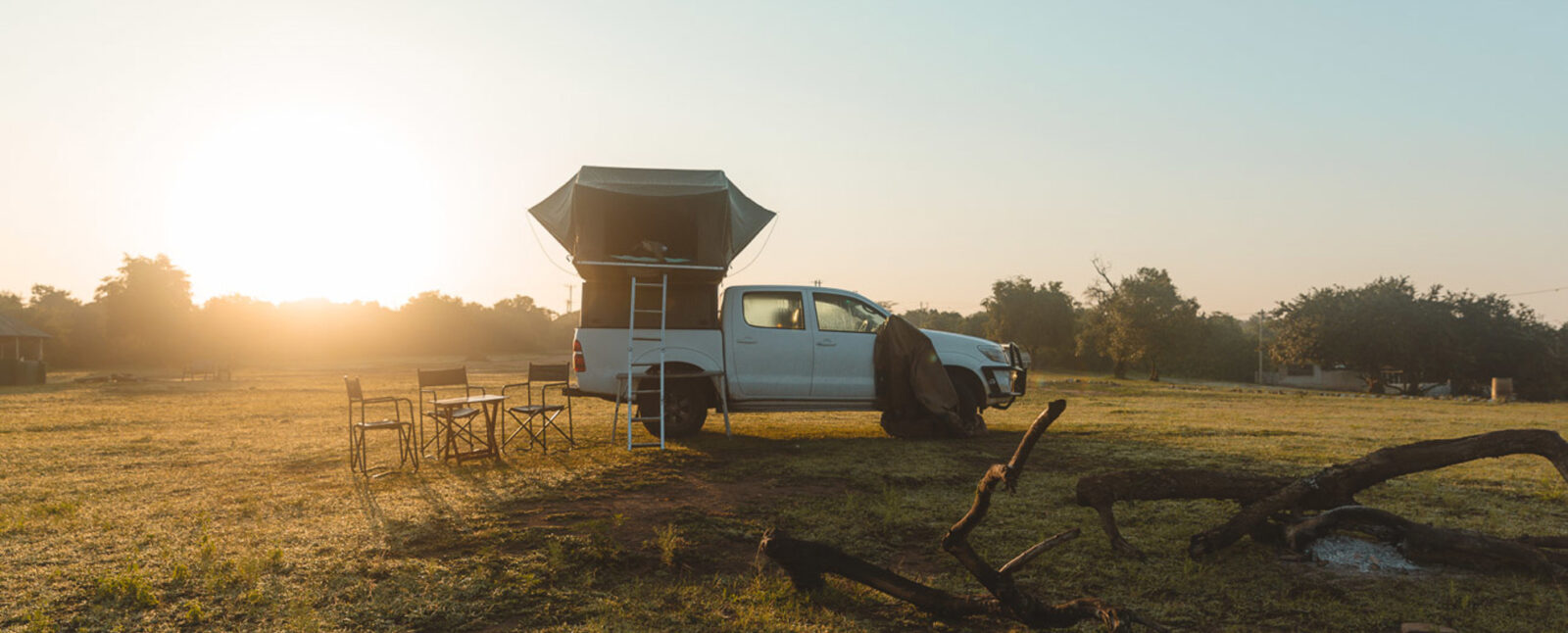
Planning your East Africa self-drive circuit? Car Hire 4x4 Drive provides fully-equipped 4x4 vehicles for Uganda, Kenya, Tanzania, and Rwanda with COMESA insurance and cross-border documentation included. See how the booking process works or send a circuit enquiry for a quote within 24 hours.
Lake Bunyonyi is Uganda's only schistosomiasis-free lake — the combination of altitude, cold temperature, and deep water prevents the Bulinus snail that hosts the Schistosoma parasites from establishing. Swimming is genuinely recommended at Bunyonyi in a way that is not advisable at Lake Victoria or other Uganda lakes. The water is cold (20–22°C) but comfortable for 20–30 minutes of swimming. Most Bunyonyi accommodations have floating pontoons or lake-access points for swimming. The lake's clarity (very high, the watershed's terraced hillside agriculture reduces soil runoff) allows visibility of 3–5 metres below the surface.
Bunyonyi as a Bwindi Rest Stop
The strategic position of Lake Bunyonyi in a Uganda itinerary: it is 45 km from Kabale (the main staging town for Bwindi Buhoma sector access), 1 hour from the Rwanda-Uganda Katuna/Gatuna border crossing, and 90 km from the Bwindi Rushaga sector. This makes Bunyonyi the natural 1–2 night rest stop on the Uganda western circuit: rest after the gorilla trek, swim in the lake, canoe between islands, eat well, and recover for the onward drive to Queen Elizabeth NP or back toward Kampala. The 1-night Bunyonyi stay also provides an evening in which to process the gorilla trek experience — many visitors find that a quiet lakeside evening after the intensity of the Bwindi forest encounter is the correct rhythm for a Uganda safari.
Accommodation
- Arcadia Cottages: USD $80–120/night per person, good restaurant on the lake, the most-reviewed Bunyonyi accommodation, consistent quality.
- Bunyonyi Eco Resort: USD $60–100/night, on a small peninsula, kayak and paddleboard hire, good for active water sports.
- Birds Nest Resort: USD $40–70/night, budget-friendly, lakeside bandas, popular with overland truck groups and backpackers.
A 4x4 is essential for circuits that include the Ngorongoro Crater descent (which requires centre differential lock), the Bwindi Impenetrable Forest approach road in wet season, or Kidepo Valley National Park. For circuits that stay on sealed national highways and well-maintained murram roads in dry season a capable 2WD can manage — but the Toyota Land Cruiser V8 GX with full 4WD and diff lock is always the safest and most reliable choice for any East Africa self-drive circuit.
You need a valid driving licence (plus an International Driving Permit if your licence is not in English), the COMESA Yellow Card insurance certificate, a cross-border authority letter from the vehicle owner for each transit country, and the vehicle registration document. Car Hire 4x4 Drive prepares all cross-border documentation for the specific countries on your circuit as part of the standard hire process — no separate arrangement needed.
Yes. Most East Africa self-drive circuits do not require technical off-road skills — the majority of driving is on sealed national highways or well-maintained murram park roads. The vehicle handover at collection includes a full demonstration of the 4WD system. If your circuit includes genuinely technical sections such as the Ngorongoro Crater descent or Bwindi wet-season approach, a car with driver can be arranged for those sections if you have no prior 4WD experience.
Book 4 to 8 weeks in advance for standard circuits. For July to August peak season and December to January, book 3 to 4 months ahead. If your circuit includes gorilla trekking, Uganda permits via UWA should be booked 2 to 6 months ahead and Rwanda permits via the RDB 3 to 9 months ahead — the vehicle booking should align with confirmed permit dates. See the How It Works page for the complete booking process and deposit schedule.
The Toyota Land Cruiser V8 GX is the standard recommendation for any circuit covering two or more countries, or any circuit including Tanzania (Ngorongoro requires mandatory 4WD with diff lock) or Uganda's challenging approach roads. For Kenya-only or Rwanda-only dry-season circuits the Land Cruiser Prado is a cost-effective alternative. For groups of 6 or more passengers, the Toyota Hiace 9-seater safari van with pop-up roof is the most cost-effective per-person option.