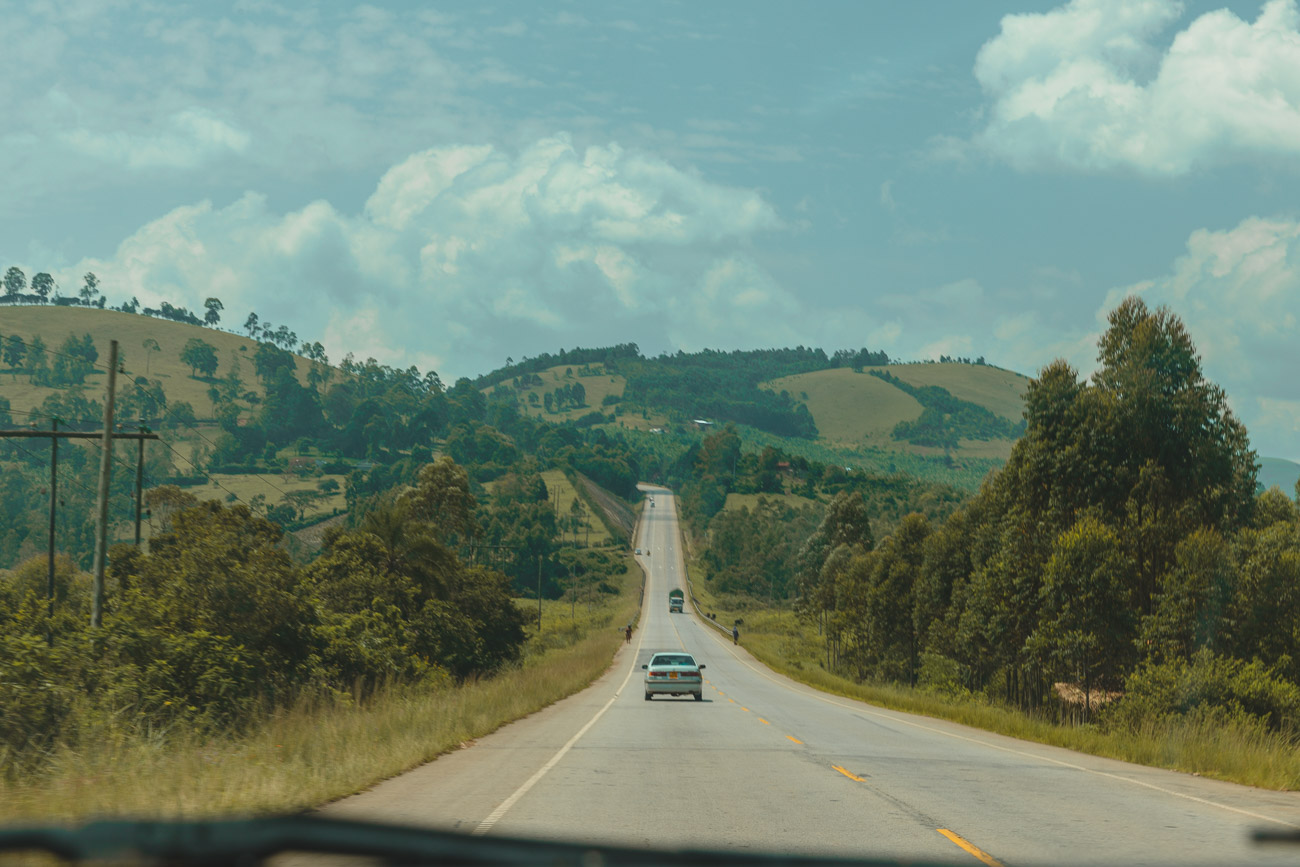
Uganda's western circuit is the country's most complete safari experience in a single road trip. Starting and ending in Kampala, the 9-day western circuit links four national parks — Kibale Forest, Queen Elizabeth, and Bwindi Impenetrable Forest — with the scenic Fort Portal area crater lakes and the dramatic Ishasha sector tree-climbing lions. Total driving distance is approximately 1,400km on roads that are predominantly good tarmac with sections of graded murram approaching park boundaries. The circuit visits every major primate species in Uganda (chimpanzee, mountain gorilla, and the Kyambura Gorge chimp community), two of Uganda's most spectacular savannah parks, and the most scenic landscape section in the country between Fort Portal and Queen Elizabeth through the Rwenzori foothills. This guide covers the day-by-day route and logistics for 2027/2028.
Day 1: Kampala to Fort Portal (320km, 5 Hours)
Depart Kampala at 6am on the Mityana highway west. The highway passes through Mubende (175km) — top up fuel here as a precaution. Continue via Kyenjojo to Fort Portal. Fort Portal sits at 1,540 metres at the base of the Rwenzori Mountains — fill fuel completely on arrival (TotalEnergies on the main road). The Fort Portal area crater lakes — Kyaninga, Nyinabulitwa, Nkuruba, and others — are worth an afternoon stop. These volcanic crater lakes set in the Fort Portal highland tea country are one of Uganda's most beautiful landscape features. Overnight Fort Portal town or at one of the crater lake lodges (Kyaninga Lodge at USD 150 to 300 per person, spectacular setting).
Day 2: Fort Portal to Kibale (30km) + Chimpanzee Tracking
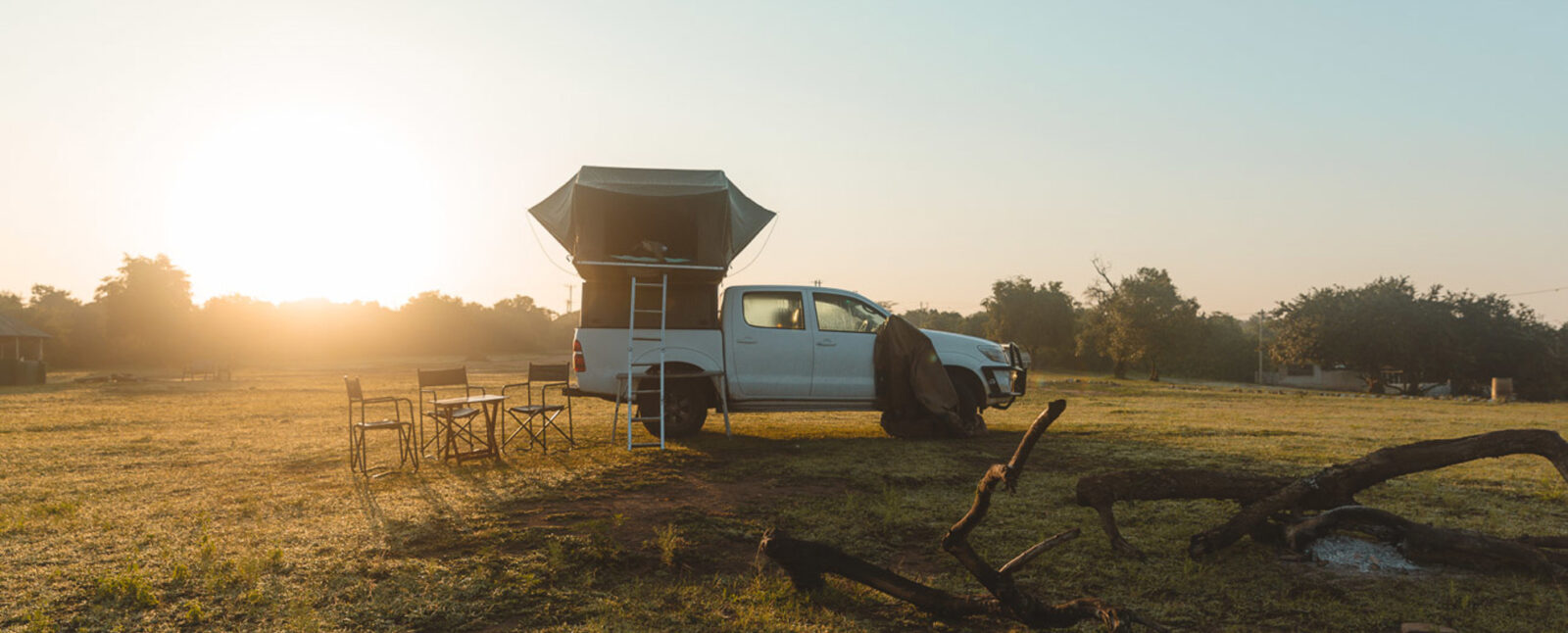
Planning your East Africa self-drive circuit? Car Hire 4x4 Drive provides fully-equipped 4x4 vehicles for Uganda, Kenya, Tanzania, and Rwanda with COMESA insurance and cross-border documentation included. See how the booking process works or send a circuit enquiry for a quote within 24 hours.
Kibale Forest National Park's Kanyanchu gate is 35km south of Fort Portal on the Kamwenge road. Drive 7:00am, arrive for the 8:00am chimp tracking briefing. Chimpanzee tracking (2 to 5 hours, USD 300 per person (USD 200 in the April, May and November low season)). Afternoon: Bigodi Wetland Sanctuary walk (1.5 hours, approximately USD 10 per person, excellent community-run project with very good bird and primate sightings including the rare red colobus). Overnight near Kibale.
Day 3: Kibale to Queen Elizabeth National Park via Kasese (170km, 3 Hours)
From Kibale, drive south via Kamwenge to Kasese (approximately 120km, 2.5 hours on the Fort Portal–Kasese road). Top up fuel at Kasese. Continue to Queen Elizabeth's Katunguru Gate (50km south of Kasese, the main northern entrance). Afternoon game drive on the Kasenyi plains. Overnight Mweya peninsula.
Day 4: Full Day Queen Elizabeth — Kasenyi Plains and Kazinga Channel Boat
6:30am game drive on the Kasenyi plains — lion, buffalo, Uganda kob, and the flat-topped acacia savannah. 2pm Kazinga Channel boat trip (2 hours, approximately USD 35 per adult). Hippo, crocodile, elephant at the water. Return to Mweya by 5pm. Second game drive optional 5pm to 6:30pm. Overnight Mweya.
Day 5: Mweya to Ishasha Sector (100km Through the Park)
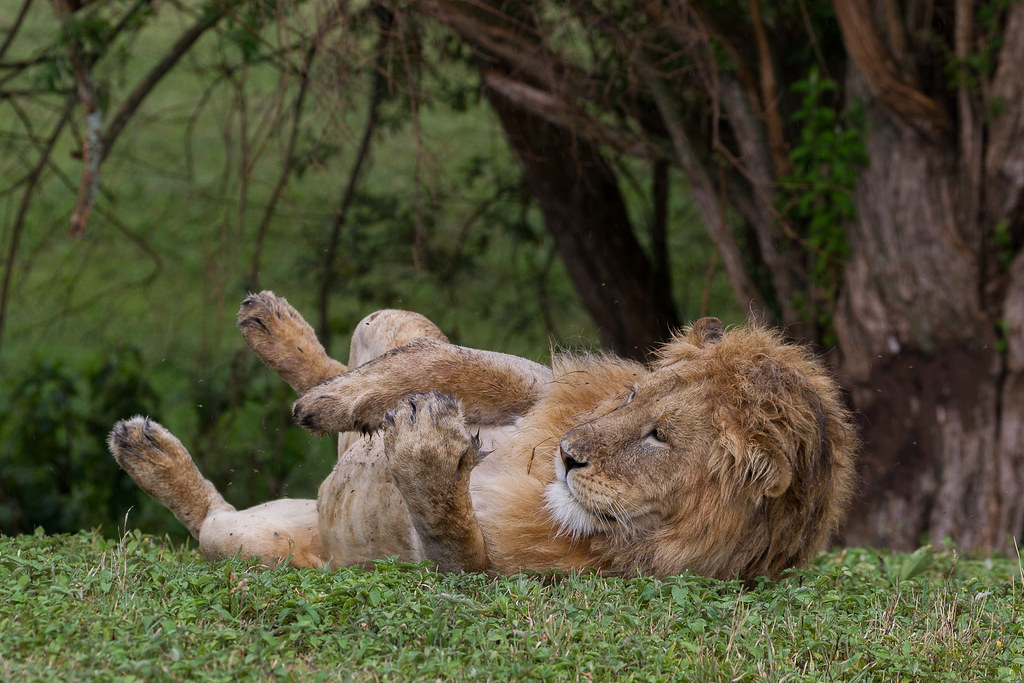
The drive from Mweya to Ishasha goes through the park's interior road system (approximately 80km, 2.5 hours including game viewing en route). The route passes through the Maramagambo Forest (look for vervet and red-tailed monkey), the open savannah south of the channel, and eventually reaches the Ishasha plains. Afternoon: tree-climbing lion search in the Ishasha fig trees. The Ishasha sector lion prides typically rest in large fig trees during the afternoon — arrive by 2pm and drive slowly through the plains west of the Ishasha River. Overnight Ishasha sector (Ishasha Wilderness Camp or UWA campsite).
Day 6: Ishasha to Kabale (100km) — Gateway to Bwindi
Depart Ishasha sector via the southern Ishasha Gate. Drive southeast to Kabale town (approximately 100km, 2 to 2.5 hours on the road via Rukungiri — this road section passes through beautiful highland tea and eucalyptus country). Fill fuel at Kabale (mandatory — no fuel between Kabale and Bwindi). Overnight Kabale (White Horse Inn or Kabale Guest House). Tomorrow's gorilla trekking requires a 6:00am departure from Kabale.
Day 7: Bwindi Gorilla Trekking
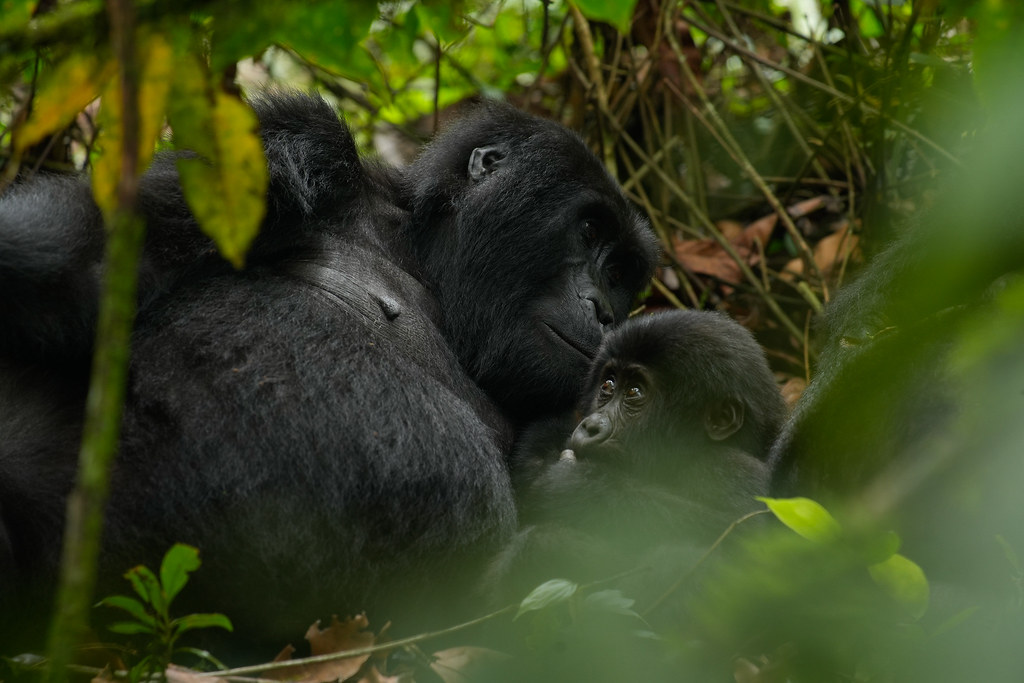
Depart Kabale at 6:00am. Drive to Bwindi Buhoma (northern sector, 60km, 1.5 hours) or Bwindi Rushaga (southern sector, 95km, 2 hours) depending on which sector your gorilla permit is assigned to. UWA briefing at 7:30am, trekking from 8:00am. The gorilla trek duration varies from 1 to 6 hours in the forest. Return to Bwindi sector accommodation for lunch. Overnight near Bwindi.
Day 8: Bwindi to Mbarara (via Kabale, 180km)
Return from Bwindi to Kabale, then east to Mbarara on the fast tarmac highway (180km, 2.5 hours). Optional stop: Lake Bunyonyi (20km east of Kabale) — Uganda's most beautiful lake, a crater lake system with 29 islands, excellent for an hour's scenic break. Mbarara for fuel top-up and overnight.
Day 9: Mbarara to Kampala (270km, 3.5 Hours)
Mbarara to Kampala on the tarmac highway, arriving by midday. Return the vehicle in Kampala. The complete western circuit: 9 days, 4 national parks, 3 primate tracking experiences (chimpanzee at Kibale, chimpanzee at Kyambura Gorge if added, mountain gorilla at Bwindi), 2 nights at Queen Elizabeth, and the full landscape sweep of western Uganda from the Rwenzori foothills to the Bwindi Forest highlands.
Budget Estimate: Two Adults, 9 Days
- Gorilla permit x2: USD 1,600
- Kibale chimp tracking x2: USD 400
- Queen Elizabeth entry + boat x2 (2 days): USD 310
- Bwindi entry (1 day) x2: USD 120
- Kibale entry (1 day) x2: USD 120
- Vehicle hire (9 days, USD 140/day): USD 1,260
- Fuel (approx 1,400km): USD 225
- Total before accommodation: approx USD 4,035
A 4x4 is essential for circuits that include the Ngorongoro Crater descent (which requires centre differential lock), the Bwindi Impenetrable Forest approach road in wet season, or Kidepo Valley National Park. For circuits that stay on sealed national highways and well-maintained murram roads in dry season a capable 2WD can manage — but the Toyota Land Cruiser V8 GX with full 4WD and diff lock is always the safest and most reliable choice for any East Africa self-drive circuit.
You need a valid driving licence (plus an International Driving Permit if your licence is not in English), the COMESA Yellow Card insurance certificate, a cross-border authority letter from the vehicle owner for each transit country, and the vehicle registration document. Car Hire 4x4 Drive prepares all cross-border documentation for the specific countries on your circuit as part of the standard hire process — no separate arrangement needed.
Yes. Most East Africa self-drive circuits do not require technical off-road skills — the majority of driving is on sealed national highways or well-maintained murram park roads. The vehicle handover at collection includes a full demonstration of the 4WD system. If your circuit includes genuinely technical sections such as the Ngorongoro Crater descent or Bwindi wet-season approach, a car with driver can be arranged for those sections if you have no prior 4WD experience.
Book 4 to 8 weeks in advance for standard circuits. For July to August peak season and December to January, book 3 to 4 months ahead. If your circuit includes gorilla trekking, Uganda permits via UWA should be booked 2 to 6 months ahead and Rwanda permits via the RDB 3 to 9 months ahead — the vehicle booking should align with confirmed permit dates. See the How It Works page for the complete booking process and deposit schedule.
The Toyota Land Cruiser V8 GX is the standard recommendation for any circuit covering two or more countries, or any circuit including Tanzania (Ngorongoro requires mandatory 4WD with diff lock) or Uganda's challenging approach roads. For Kenya-only or Rwanda-only dry-season circuits the Land Cruiser Prado is a cost-effective alternative. For groups of 6 or more passengers, the Toyota Hiace 9-seater safari van with pop-up roof is the most cost-effective per-person option.