
Getting stopped at a police roadblock without the right documents in Uganda is not a minor inconvenience — it can result in a lengthy delay, a fine, or your vehicle being impounded until paperwork is produced. Uganda has a thorough police presence on major roads, particularly between Kampala and the national parks, and roadblock checks are routine. This guide covers every document you need to carry, where to obtain them, and what happens if you do not have them.
Your Driving Licence
Uganda accepts a valid home-country driving licence for foreign visitors, provided the licence is in English or accompanied by an official English translation. A US, UK, EU, Australian, or South African driving licence is accepted at face value. If your licence is in a non-English language, you need a certified translation or an International Driving Permit (IDP).
An IDP is strongly recommended regardless of language — it is recognised universally across East Africa, eliminates any ambiguity at police roadblocks, and costs under USD $25 from your national motoring association (AAA in the US, AA in the UK, ADAC in Germany). It is valid in Uganda for 12 months. Apply before you travel — you cannot obtain an IDP in Uganda.
Vehicle Rental Documents
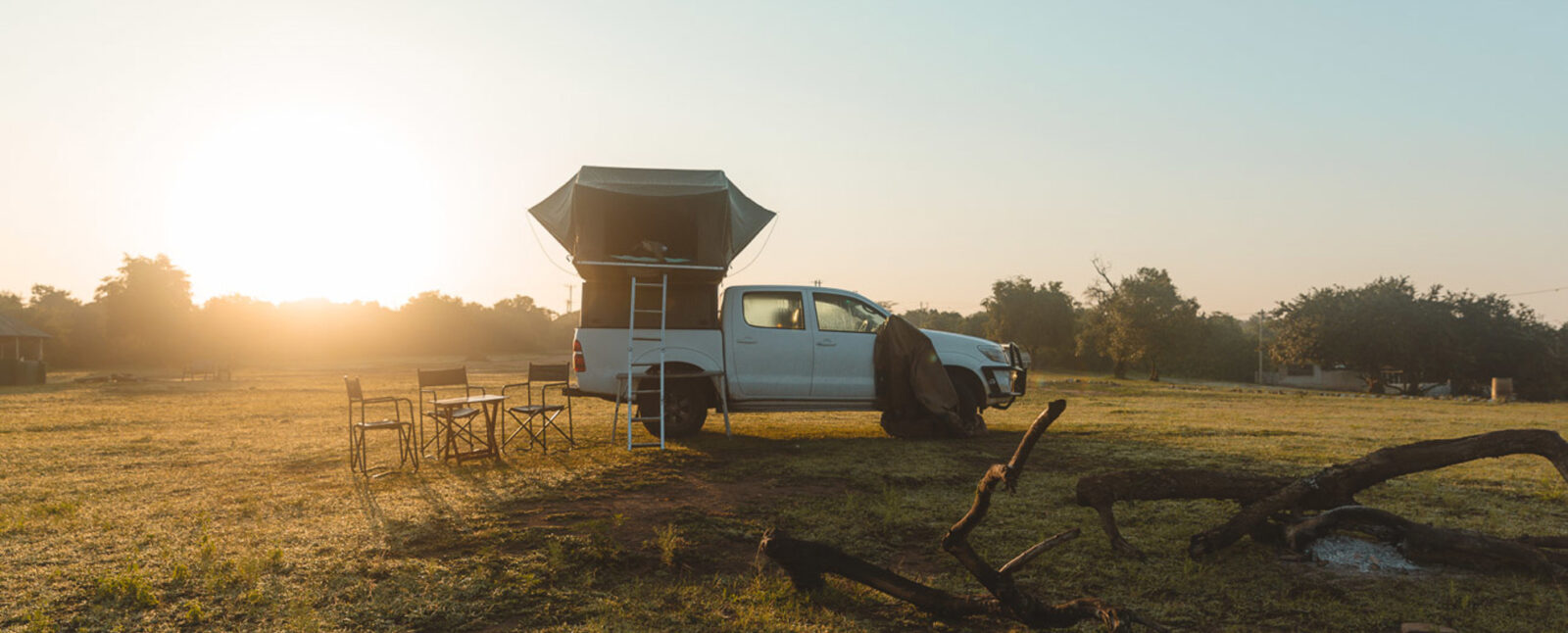
Planning your East Africa self-drive circuit? Car Hire 4x4 Drive provides fully-equipped 4x4 vehicles for Uganda, Kenya, Tanzania, and Rwanda with COMESA insurance and cross-border documentation included. See how the booking process works or send a circuit enquiry for a quote within 24 hours.
Your car hire company should provide you with these documents at handover. Do not leave the rental office without all of them:
- Vehicle registration certificate (logbook): The official government registration document for the vehicle. Police will ask for this at roadblocks.
- Insurance certificate (Third Party at minimum): Uganda requires third-party motor insurance by law. Reputable rental companies include this. Verify it covers the entire rental period before departure.
- Rental agreement: A signed agreement between you and the hire company. Carry the original or a certified copy.
- Letter of authority for border crossing (if applicable): If you plan to drive into Rwanda, Kenya, or Tanzania, the hire company must provide a carnet or official letter authorising cross-border use of the vehicle. This must be arranged in advance — it is not standard practice and some companies restrict it.
Your Passport and Visa
Carry your passport at all times in Uganda. A photocopy is not sufficient at roadblocks or park gates — officers will ask for the original. Your passport should show a valid Uganda entry stamp or e-visa authorisation. Uganda offers an e-visa system that most nationalities can use before travel; apply at the official Government of Uganda e-visa portal at least two weeks before departure.
Citizens of most African Union member states do not require a visa for Uganda. Citizens of the UK, USA, and most EU countries require a visa. The single-entry tourist visa costs USD $50; the East Africa Tourist Visa (covering Uganda, Rwanda, and Kenya) costs USD $100 and offers significant flexibility for cross-border self-drivers.
Uganda Wildlife Authority (UWA) Park Entry Receipts
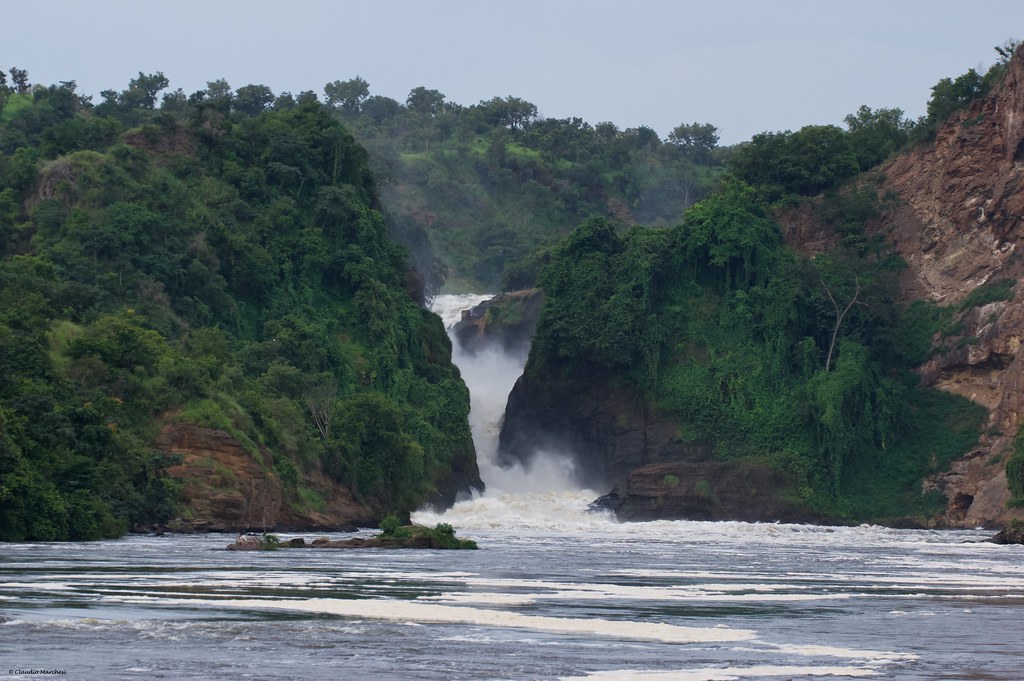
When you pay park entry fees at the gate (by card, mobile money, or occasionally cash), keep your receipt. Rangers at internal park checkpoints — particularly at Murchison Falls where the ferry crossing involves a separate check — will ask to see proof of payment. The park entry receipt also covers you if you exit and re-enter the park on the same day.
Park entry is paid per person per day and per vehicle per day. Rates (2024): USD $40–$45 per person per day depending on the park, USD $30 per vehicle per day. Payment at most gates accepts Visa/Mastercard and MTN Mobile Money.
Wildlife Permit Documents
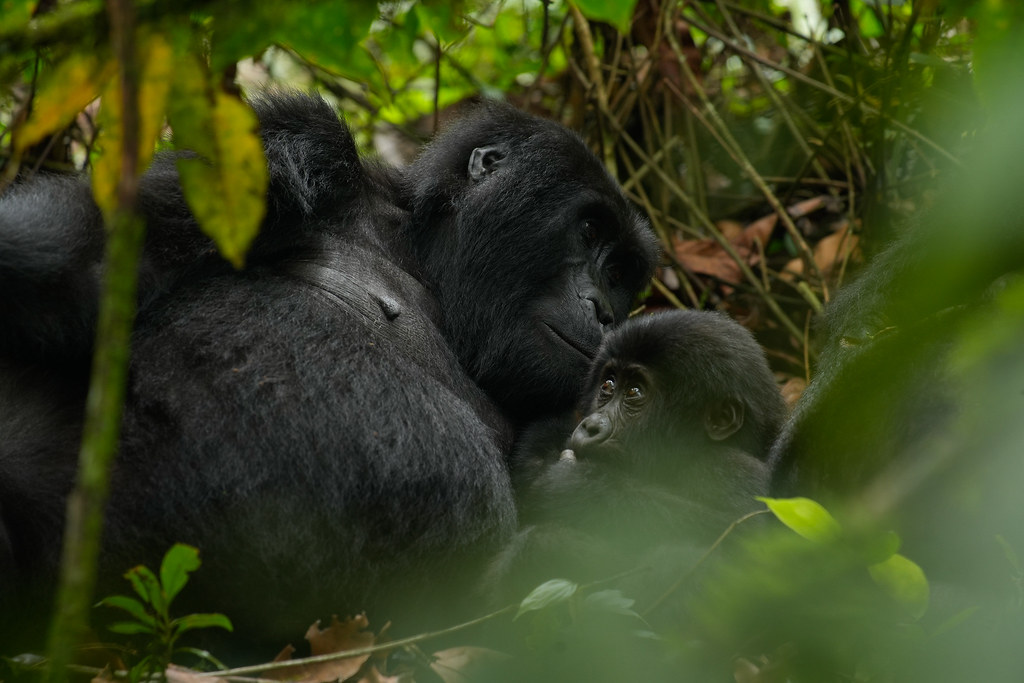
- Gorilla trekking permit: The physical permit or confirmed booking reference (printed or digital). Carry the printed permit to the Bwindi UWA briefing point — you will surrender it when you check in on trekking day.
- Chimpanzee tracking permit: Same requirement — printed confirmation or digital booking reference, to be shown at the Kibale Forest briefing point.
What to Carry in the Vehicle at All Times
- Your driving licence (original)
- Your IDP (recommended)
- Your passport (original)
- Vehicle registration certificate
- Insurance certificate
- Rental agreement
- Any UWA park entry receipts for parks you are currently within or have paid for that day
- Wildlife permit confirmations (on trekking days)
At Police Roadblocks
Uganda Police roadblocks are frequent on the Kampala–Masaka–Mbarara highway, the Kampala–Gulu road, and approach roads to major parks. Officers are checking for: valid licence, vehicle registration, insurance, and in some cases seat belt compliance and phone use. They are generally professional and the check typically takes under two minutes if your documents are in order. Keep documents accessible — do not bury them in luggage.
If you are stopped and an officer requests a payment for an alleged infringement, ask for an official penalty notice. If the alleged infringement was genuine, accept the notice. Do not pay informal cash to individual officers on the roadside — it encourages corruption and, if the infringement was not real, reinforces a practice that disadvantages all travellers in Uganda.
Car Hire 4x4 Drive provides a complete document pack with every rental. Contact us to discuss what your specific itinerary requires — particularly if you are planning cross-border travel into Rwanda or Kenya.
Frequently Asked Questions
Do I need 4WD for a self-drive safari in East Africa?
4WD is essential for any circuit that includes the Ngorongoro Crater descent (which requires centre differential lock), the Bwindi Impenetrable approach road in wet season, or Kidepo Valley National Park. For circuits that stay on sealed national highways and well-maintained murram roads in dry season, a capable 2WD vehicle can manage — but the Toyota Land Cruiser V8 GX with full 4WD and diff lock is always the safest and most reliable choice for any East Africa circuit.
What documents do I need to drive across East Africa borders?
You need the COMESA Yellow Card insurance certificate (valid for all East Africa Community member states), a cross-border authority letter from the vehicle owner for each transit country, and the vehicle registration document. Car Hire 4x4 Drive prepares all cross-border documentation for the specific countries on your circuit as part of the standard hire process — no separate arrangement needed.
Can I self-drive in East Africa without previous off-road experience?
Yes. Most East Africa self-drive circuits do not require technical off-road skills — the majority of the driving is on sealed national highways or well-maintained murram park roads. The vehicle handover at collection includes a full demonstration of the 4WD system. If your circuit includes genuinely technical sections (Ngorongoro crater descent, Bwindi wet-season approach), consider a car with driver for those sections if you have no prior 4WD experience.
How far in advance should I book my East Africa self-drive vehicle?
Book 4 to 8 weeks in advance for standard circuits. For July–August peak season (wildebeest migration) and December–January, book 3 to 4 months ahead. Rwanda gorilla permits should be booked 3 to 9 months in advance via the RDB portal; Uganda gorilla permits (Bwindi) should be booked 2 to 6 months ahead via UWA. See the full FAQ and the How It Works page for the complete booking process.
Which vehicle is best for a multi-country East Africa circuit?
The Toyota Land Cruiser V8 GX is the standard recommendation for any circuit covering two or more countries, or any circuit that includes Tanzania (Ngorongoro is mandatory 4WD with diff lock) or Uganda's challenging approach roads (Bwindi, Kidepo). For Kenya-only or Rwanda-only dry-season circuits, the Land Cruiser Prado is a cost-effective alternative. For groups of 6 or more passengers, the Toyota Hiace 9-seater safari van with pop-up roof is the most cost-effective per-person option.