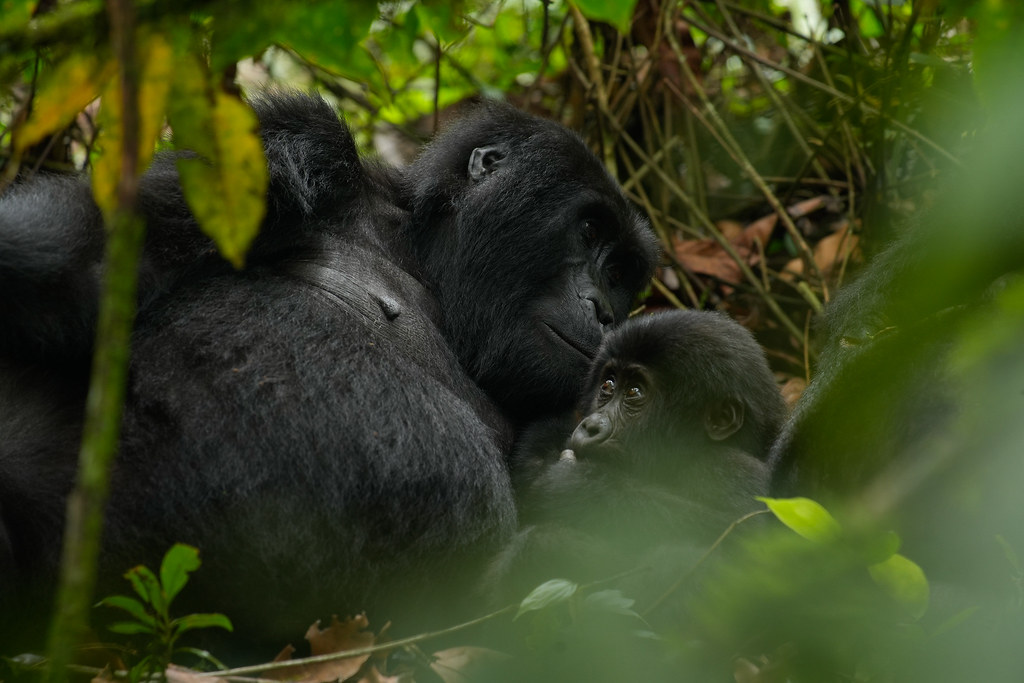
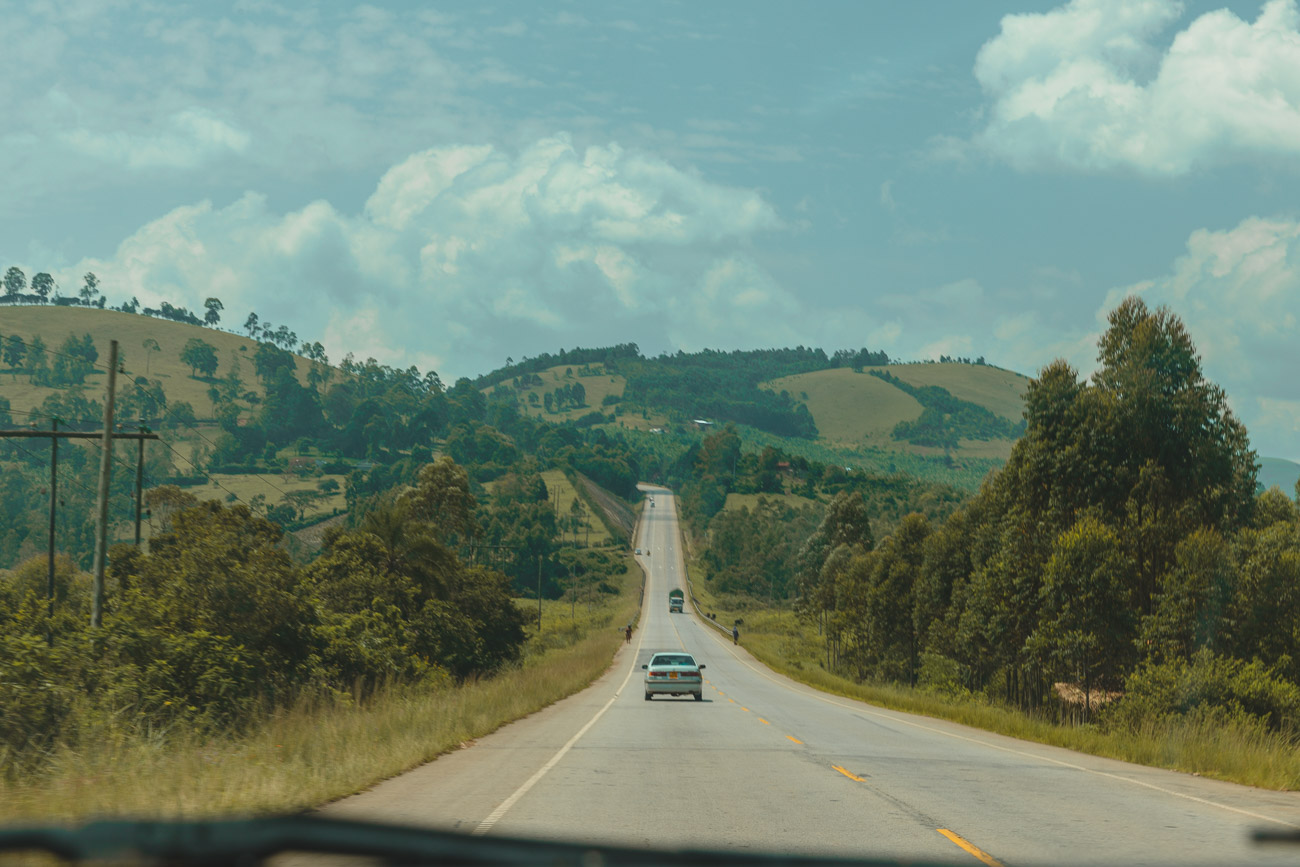
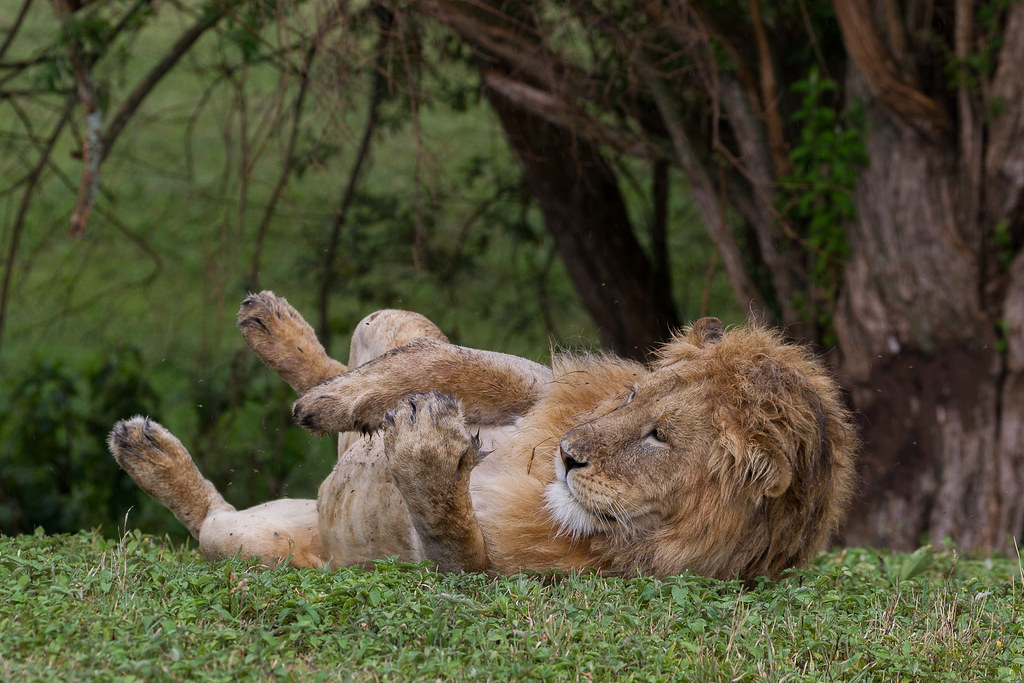
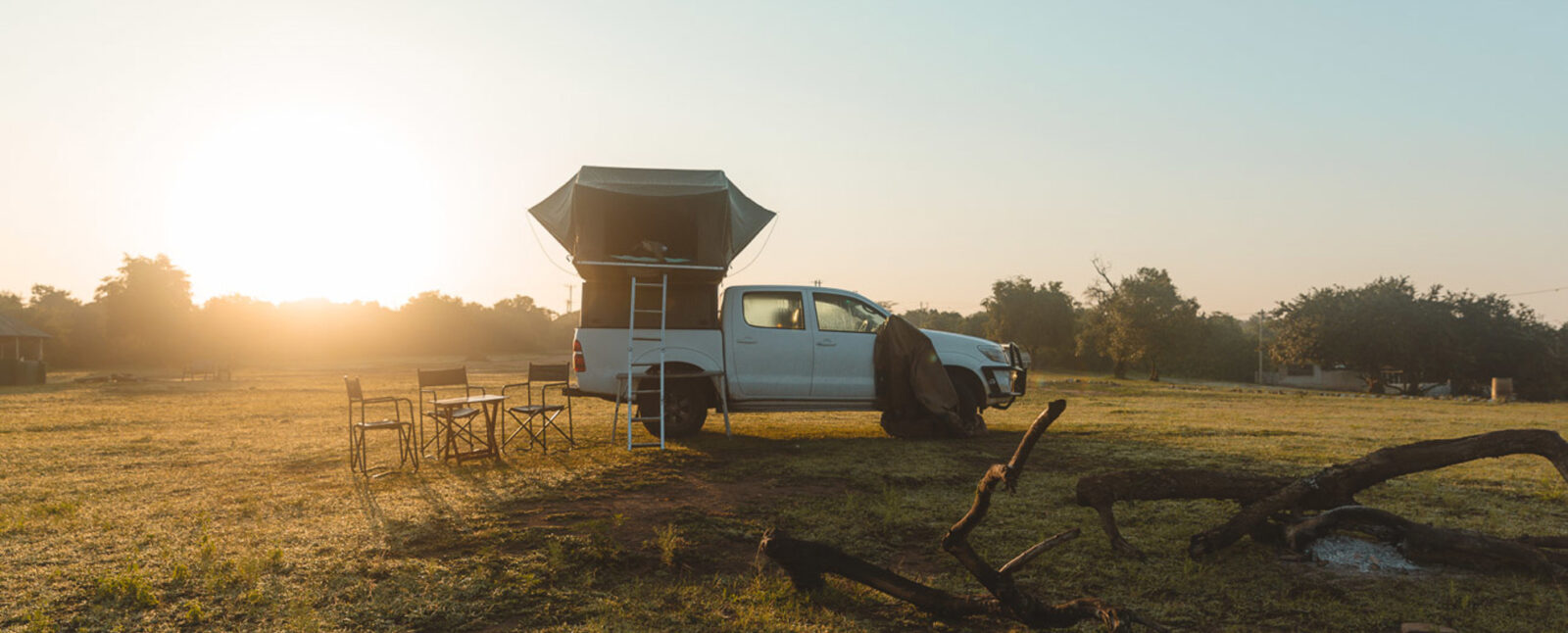
The Serengeti wildebeest migration self-drive — planning a Tanzania northern circuit visit to coincide with the specific migration phase most relevant to the travel dates — requires understanding the annual migration calendar as a year-round clockwise circuit of the Serengeti ecosystem, with different months producing dramatically different experiences in different geographic sectors. The Serengeti wildebeest migration 2027 and 2028 timing guide provides self-drive visitors with the specific sector to visit by month, the likely migration wildlife concentration, and the road access requirement for each phase — from the tarmac-accessible Ndutu calving grounds in January to the 4x4-mandatory Kogatende sector river crossings in August.
Serengeti Migration Calendar: Month-by-Month Self-Drive Guide
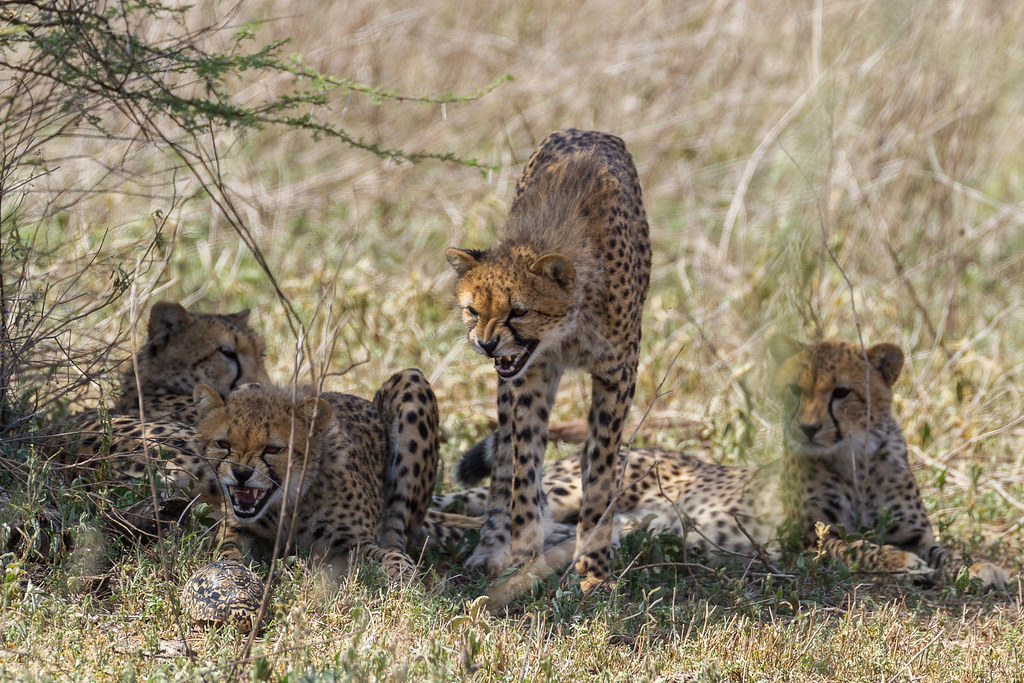
- January to March (Ndutu, southern Serengeti): The wildebeest calving season — 8,000 calves per day at peak (February). The Ndutu area (Ndutu Safari Lodge road, accessible from the Ngorongoro Conservation Area boundary) concentrates cheetah and lion preying on calves. Road access: unsealed murram, accessible for 4x4 in most conditions.
- April to May (central and western Serengeti): The migration moves northwest through the Seronera valley and western corridor. April and May are the rainiest months — internal track conditions variable. The western corridor (toward Grumeti) requires a capable 4x4 with good clearance.
- June (central Serengeti, Seronera area): The migration is concentrated in the central Serengeti approaching the Mara River. June is a shoulder month — fewer vehicles than peak season, good wildlife density.
- July to October (Kogatende, northern Serengeti): The peak river crossing season — the Mara River crossings at Kogatende produce the same spectacle as the Kenya Masai Mara side but with typically fewer vehicles. Road: 4x4 mandatory on the tracks from Seronera to Kogatende (approximately 80km of rough terrain).
- November to December (central to southern Serengeti): The migration returns south after the short rains begin. The herds are dispersed across the central Serengeti in November before concentrating in the south for the December calving approach.
Kogatende Sector: Self-Drive Access Requirements
Planning your East Africa self-drive circuit? Car Hire 4x4 Drive provides fully-equipped 4x4 vehicles for Uganda, Kenya, Tanzania, and Rwanda with COMESA insurance and cross-border documentation included. See how the booking process works or send a circuit enquiry for a quote within 24 hours.
- Distance from Seronera: approximately 80km north on rough track
- Drive time: 2 to 3 hours depending on track condition
- 4x4 requirement: mandatory — river track sections require diff lock in some conditions
- Fuel: no fuel at Kogatende — carry a 20L jerry can as emergency reserve from Seronera
Frequently Asked Questions
Do I need 4WD for a self-drive safari in East Africa?
4WD is essential for any circuit that includes the Ngorongoro Crater descent (which requires centre differential lock), the Bwindi Impenetrable approach road in wet season, or Kidepo Valley National Park. For circuits that stay on sealed national highways and well-maintained murram roads in dry season, a capable 2WD vehicle can manage — but the Toyota Land Cruiser V8 GX with full 4WD and diff lock is always the safest and most reliable choice for any East Africa circuit.
What documents do I need to drive across East Africa borders?
You need the COMESA Yellow Card insurance certificate (valid for all East Africa Community member states), a cross-border authority letter from the vehicle owner for each transit country, and the vehicle registration document. Car Hire 4x4 Drive prepares all cross-border documentation for the specific countries on your circuit as part of the standard hire process — no separate arrangement needed.
Can I self-drive in East Africa without previous off-road experience?
Yes. Most East Africa self-drive circuits do not require technical off-road skills — the majority of the driving is on sealed national highways or well-maintained murram park roads. The vehicle handover at collection includes a full demonstration of the 4WD system. If your circuit includes genuinely technical sections (Ngorongoro crater descent, Bwindi wet-season approach), consider a car with driver for those sections if you have no prior 4WD experience.
How far in advance should I book my East Africa self-drive vehicle?
Book 4 to 8 weeks in advance for standard circuits. For July–August peak season (wildebeest migration) and December–January, book 3 to 4 months ahead. Rwanda gorilla permits should be booked 3 to 9 months in advance via the RDB portal; Uganda gorilla permits (Bwindi) should be booked 2 to 6 months ahead via UWA. See the full FAQ and the How It Works page for the complete booking process.
Which vehicle is best for a multi-country East Africa circuit?
The Toyota Land Cruiser V8 GX is the standard recommendation for any circuit covering two or more countries, or any circuit that includes Tanzania (Ngorongoro is mandatory 4WD with diff lock) or Uganda's challenging approach roads (Bwindi, Kidepo). For Kenya-only or Rwanda-only dry-season circuits, the Land Cruiser Prado is a cost-effective alternative. For groups of 6 or more passengers, the Toyota Hiace 9-seater safari van with pop-up roof is the most cost-effective per-person option.