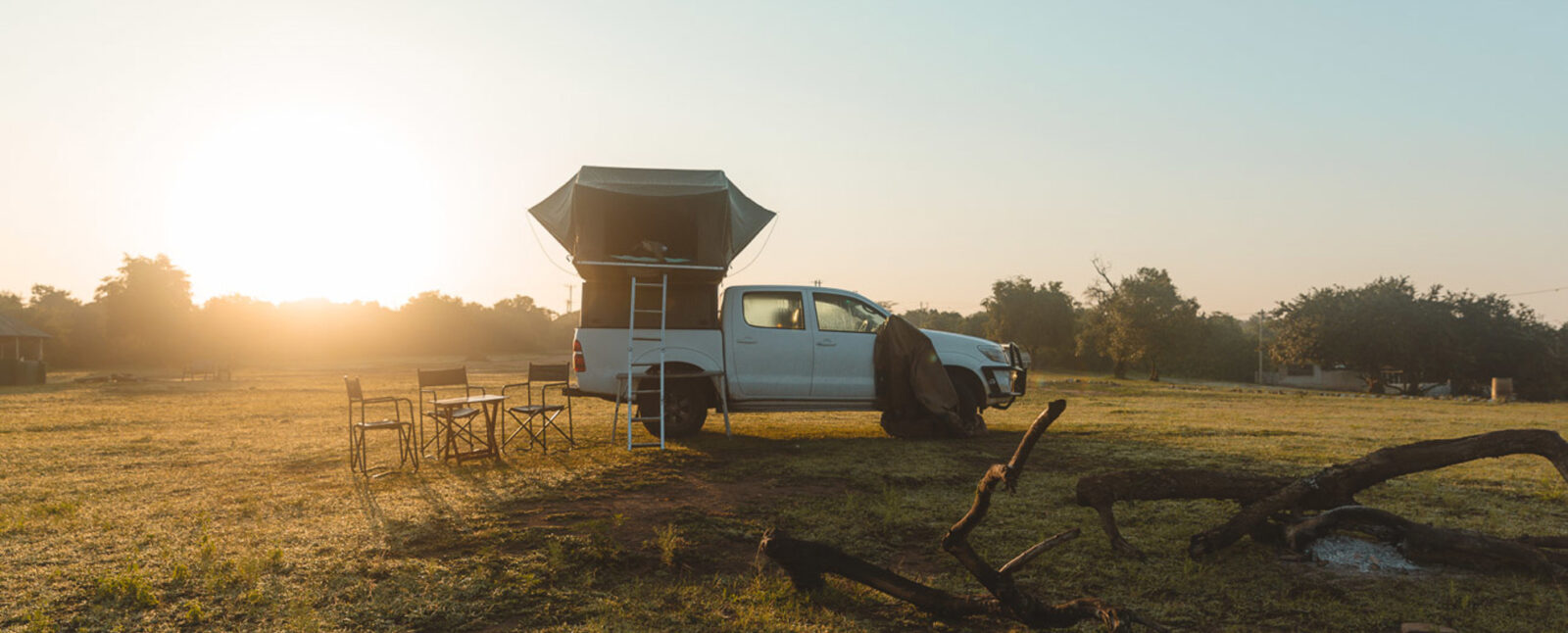
Masai Mara river crossing viewpoint — positioning the self-drive hire vehicle at the Mara River crossing point to maximise the wildlife viewing quality of a wildebeest river crossing — requires advance arrival, vehicle positioning knowledge, and the discipline to park and stay rather than constantly repositioning. The Masai Mara river crossing vehicle positioning is a skill that separates experienced self-drive visitors from first-timers: an experienced visitor arrives at the crossing point by 7am (before the crossing is imminent), positions the vehicle with the nose facing the crossing bank, turns the engine off, and waits with the roof open. A first-timer arrives at 9am (when 40 other vehicles are already in position), tries to squeeze between established vehicles, repositions repeatedly, and ends up with a lateral view of the crossing from behind 3 other Land Cruisers. This guide covers the Mara river crossing viewpoint positioning for self-drive visitors in 2027/2028.
Vehicle Positioning Strategy at the Crossing
- Arrival time: Arrive at the main river crossing point by 7am for any crossing that is anticipated that morning. The front row of vehicles is established in the first 30 minutes — positions established by 7:30am define the viewing quality for the entire crossing event that may begin at 8am to 11am.
- Facing position: Position the vehicle with the bonnet facing the crossing bank (the bank from which the wildebeest approach). This gives a forward-facing view into the approaching herd and the crossing moment. A sideways-parked vehicle loses the depth of the crossing approach but gains a wider field of view across the water.
- Row position: First row (vehicle right at the bank edge or within 20m) provides the best view. Second row (behind first row) provides a higher elevated view from the pop-up roof that can sometimes be better for photography. Third row and beyond: significantly restricted view — avoid.
- Engine off: Once positioned, turn the engine off. Every vehicle engine running creates noise that raises the wildebeest alertness at the bank — an area with 40 silent vehicles causes the herd less disturbance than 40 running vehicles.
- No vehicle movement: Movements of any kind (reversing, advancing, repositioning for a slightly better angle) disturb the entire established vehicle group and create the crowd movement that can collapse a crossing attempt. Commit to your position when you park.
False Start Protocol
Planning your East Africa self-drive circuit? Car Hire 4x4 Drive provides fully-equipped 4x4 vehicles for Uganda, Kenya, Tanzania, and Rwanda with COMESA insurance and cross-border documentation included. See how the booking process works or send a circuit enquiry for a quote within 24 hours.
- Wildebeest frequently approach the bank, begin to enter the water, then retreat. These "false starts" can occur 3 to 5 times before a committed crossing. Remain in position through false starts — the full crossing can begin 30 seconds after a false start retreat.
Frequently Asked Questions
Do I need 4WD for a self-drive safari in East Africa?
4WD is essential for any circuit that includes the Ngorongoro Crater descent (which requires centre differential lock), the Bwindi Impenetrable approach road in wet season, or Kidepo Valley National Park. For circuits that stay on sealed national highways and well-maintained murram roads in dry season, a capable 2WD vehicle can manage — but the Toyota Land Cruiser V8 GX with full 4WD and diff lock is always the safest and most reliable choice for any East Africa circuit.
What documents do I need to drive across East Africa borders?
You need the COMESA Yellow Card insurance certificate (valid for all East Africa Community member states), a cross-border authority letter from the vehicle owner for each transit country, and the vehicle registration document. Car Hire 4x4 Drive prepares all cross-border documentation for the specific countries on your circuit as part of the standard hire process — no separate arrangement needed.
Can I self-drive in East Africa without previous off-road experience?
Yes. Most East Africa self-drive circuits do not require technical off-road skills — the majority of the driving is on sealed national highways or well-maintained murram park roads. The vehicle handover at collection includes a full demonstration of the 4WD system. If your circuit includes genuinely technical sections (Ngorongoro crater descent, Bwindi wet-season approach), consider a car with driver for those sections if you have no prior 4WD experience.
How far in advance should I book my East Africa self-drive vehicle?
Book 4 to 8 weeks in advance for standard circuits. For July–August peak season (wildebeest migration) and December–January, book 3 to 4 months ahead. Rwanda gorilla permits should be booked 3 to 9 months in advance via the RDB portal; Uganda gorilla permits (Bwindi) should be booked 2 to 6 months ahead via UWA. See the full FAQ and the How It Works page for the complete booking process.
Which vehicle is best for a multi-country East Africa circuit?
The Toyota Land Cruiser V8 GX is the standard recommendation for any circuit covering two or more countries, or any circuit that includes Tanzania (Ngorongoro is mandatory 4WD with diff lock) or Uganda's challenging approach roads (Bwindi, Kidepo). For Kenya-only or Rwanda-only dry-season circuits, the Land Cruiser Prado is a cost-effective alternative. For groups of 6 or more passengers, the Toyota Hiace 9-seater safari van with pop-up roof is the most cost-effective per-person option.