The Arusha to Kilimanjaro gate self-drive is the approach drive for trekkers hiring a vehicle to get themselves and their equipment to the base of Africa's highest mountain. Unlike a standard safari park entry, the Kilimanjaro National Park gates (Marangu, Machame, Lemosho, Rongai) serve as the point where trekkers begin their ascent — the hired vehicle parks at the gate while the trekker is on the mountain for 5 to 9 days, then collects the trekker on descent.
A hire vehicle for the Arusha to Kilimanjaro gate self-drive requires a hire company that allows the vehicle to be left at the gate area for the duration of the trek — most specialist Arusha operators accommodate this, often as part of a "park and collect" service where a company driver collects the vehicle at the gate and returns it to the operator's lot during the trekking days, then delivers it back to the gate on descent day.
Arusha to Marangu Gate: The Standard Route
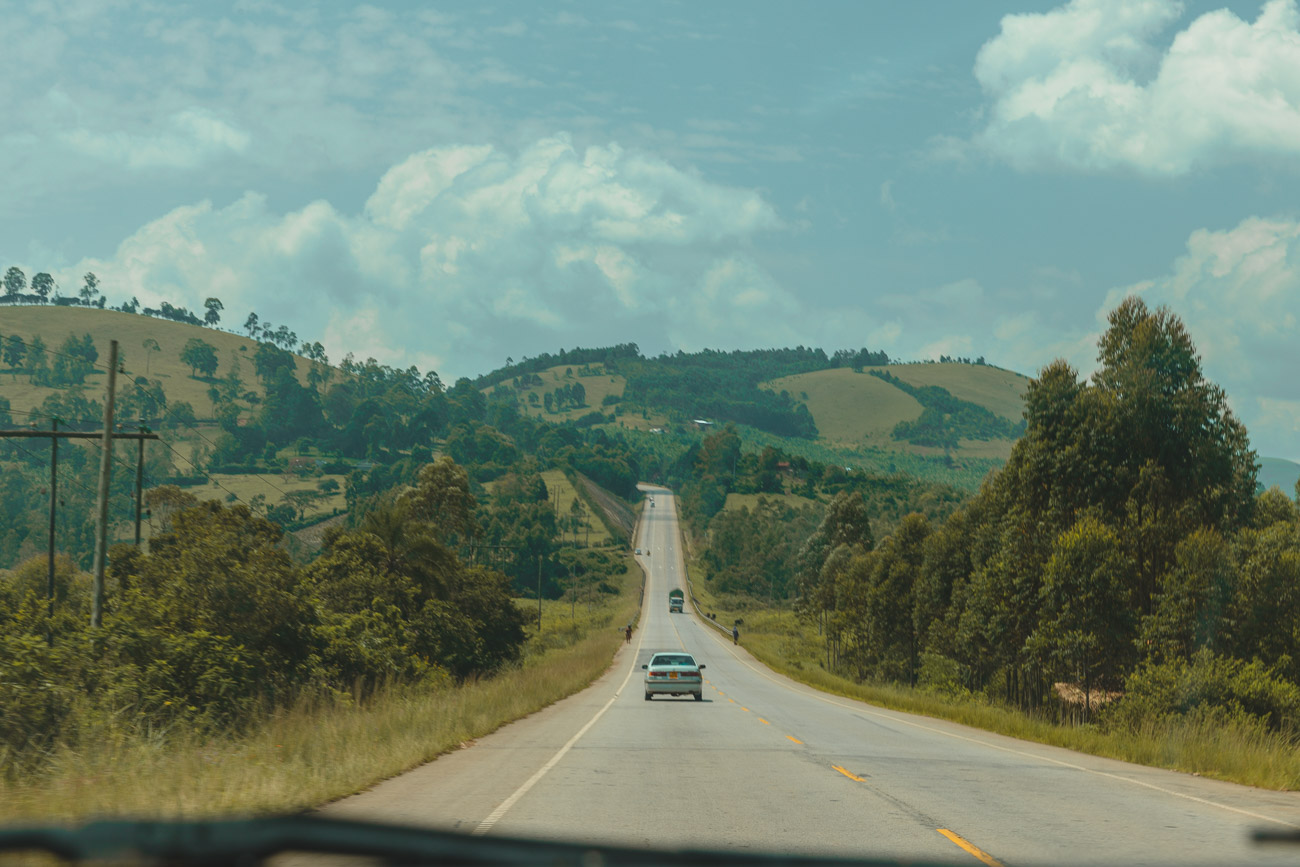
Marangu gate is the entry point for the Marangu Route (the "Coca-Cola route," the most used Kilimanjaro ascent) and the descent point for most other routes. From Arusha, drive east on the A23 highway toward Moshi (75km, 1 hour). At Moshi, continue north toward Himo on the B1 road, then branch right (north) at the Marangu junction signpost. The road to Marangu gate climbs through Chagga coffee and banana farming country before reaching the KINAPA (Kilimanjaro National Park Authority) gate at 1,860 metres altitude. Total Arusha to Marangu gate: approximately 95km, 1.5 hours.
Arusha to Machame Gate: The Forest Route
Planning your East Africa self-drive circuit? Car Hire 4x4 Drive provides fully-equipped 4x4 vehicles for Uganda, Kenya, Tanzania, and Rwanda with COMESA insurance and cross-border documentation included. See how the booking process works or send a circuit enquiry for a quote within 24 hours.
Machame gate is used for the Machame Route — one of the most scenic and popular non-Marangu ascents, known for its gradual acclimatisation profile and its spectacular views of the Shira Plateau. From Arusha, drive east to Moshi (75km), then continue southwest from Moshi town toward Machame village on the murram road (25km, 30 to 40 minutes on well-maintained track). The Machame gate is at 1,800m altitude — a different approach than Marangu, through denser forest and fewer tourist facilities in the village. Total Arusha to Machame gate: approximately 115km, 2 hours including the murram section from Moshi.
Kilimanjaro National Park Entry Fees (2027/2028)
- Adult entry fee: USD 70 per person per 24 hours (trekkers pay the daily entry fee for every day on the mountain)
- Rescue fee (mandatory): USD 20 per person per trip (covers emergency evacuation costs)
- Guide and porter fees: Mandatory guide (from licensed tour operator) — guide fee approximately USD 30 to 50 per day, porter approximately USD 20 to 30 per day
- Total park fees for 7-day Marangu climb: USD 70 x 7 = USD 490 per person, plus rescue fee USD 20 = USD 510 per person in park fees alone (excluding guide, porter, accommodation, and equipment costs)
- Vehicle parking at gate: USD 5 to 10 per day (KINAPA gate car park)
Park and Collect: Hire Vehicle Logistics During the Climb
For trekkers doing the Arusha to Kilimanjaro gate self-drive, the vehicle management during the climb requires advance agreement with the hire company. Options:
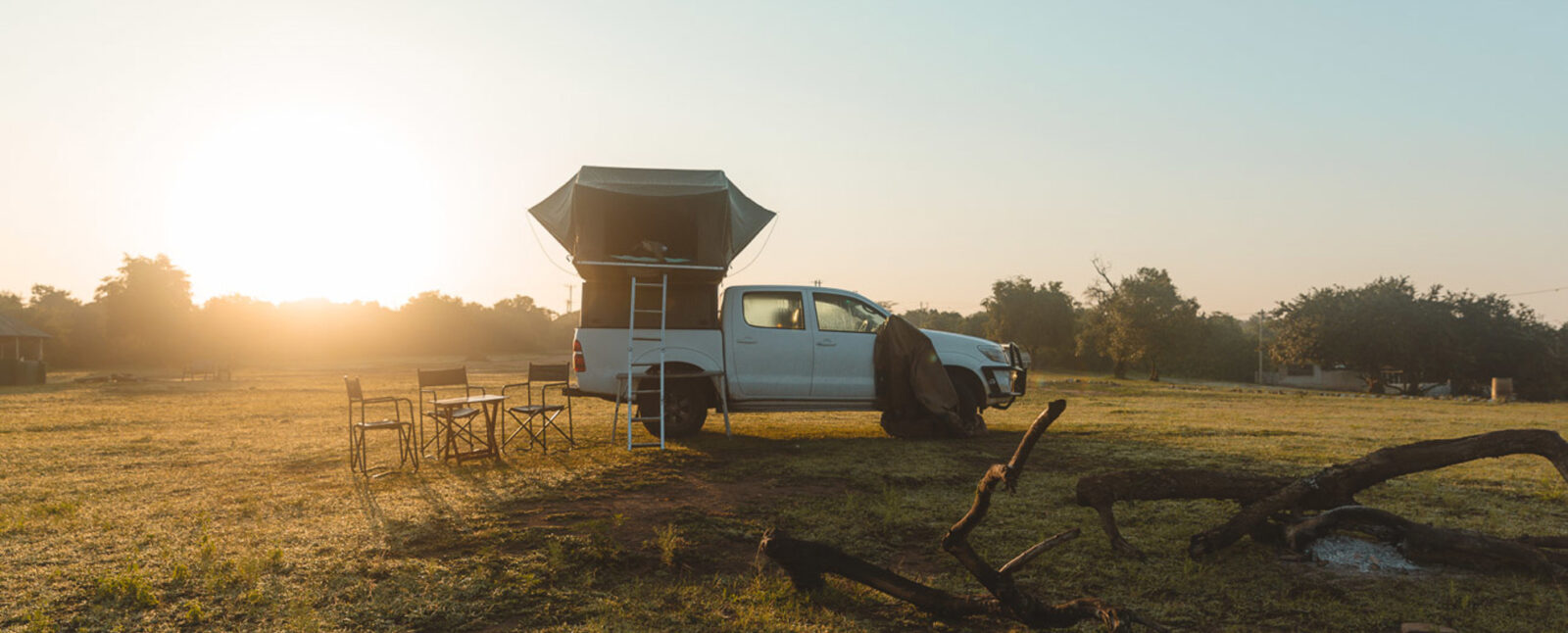
- Leave vehicle at gate car park: KINAPA provides a guarded car park at Marangu gate. The vehicle can remain here for up to 9 days (maximum Marangu route duration). This is the simplest option — the vehicle is ready at the gate on descent day. Car park fee: USD 5 to 10 per day. Risk: vehicle security in an outdoor car park for an extended period.
- Operator "park and collect" service: The Arusha hire company sends a driver to collect the vehicle from the gate the day you begin trekking and returns it to the gate on your descent day. This costs an additional fee (typically USD 80 to 150 from the hire company) but eliminates the vehicle security concern during the climb.
- Hire for trek days only, renew for post-trek: Return the vehicle to Arusha on trek start day (via taxi), rehire a new vehicle on descent day. This is cost-effective only if the hire company allows a multi-week hire break, which most do not.
Self-Drive to Multiple Gates in One Trip
If you are combining Kilimanjaro with a Tanzania safari self-drive circuit, the Arusha to Kilimanjaro gate self-drive can be structured as a sequential add-on. Common structure: Hire vehicle in Arusha, drive to Machame gate (trek begins), operator collects vehicle, you complete the trek (7 to 8 days), operator returns vehicle to Marangu gate (descent gate) on descent day, collect vehicle, drive back to Arusha and continue the Tanzania safari circuit. This structure requires careful pre-booking coordination with the hire company and the trek operator — arrange all logistics at least 2 weeks before departure.
A 4x4 is essential for circuits that include the Ngorongoro Crater descent (which requires centre differential lock), the Bwindi Impenetrable Forest approach road in wet season, or Kidepo Valley National Park. For circuits that stay on sealed national highways and well-maintained murram roads in dry season a capable 2WD can manage — but the Toyota Land Cruiser V8 GX with full 4WD and diff lock is always the safest and most reliable choice for any East Africa self-drive circuit.
You need a valid driving licence (plus an International Driving Permit if your licence is not in English), the COMESA Yellow Card insurance certificate, a cross-border authority letter from the vehicle owner for each transit country, and the vehicle registration document. Car Hire 4x4 Drive prepares all cross-border documentation for the specific countries on your circuit as part of the standard hire process — no separate arrangement needed.
Yes. Most East Africa self-drive circuits do not require technical off-road skills — the majority of driving is on sealed national highways or well-maintained murram park roads. The vehicle handover at collection includes a full demonstration of the 4WD system. If your circuit includes genuinely technical sections such as the Ngorongoro Crater descent or Bwindi wet-season approach, a car with driver can be arranged for those sections if you have no prior 4WD experience.
Book 4 to 8 weeks in advance for standard circuits. For July to August peak season and December to January, book 3 to 4 months ahead. If your circuit includes gorilla trekking, Uganda permits via UWA should be booked 2 to 6 months ahead and Rwanda permits via the RDB 3 to 9 months ahead — the vehicle booking should align with confirmed permit dates. See the How It Works page for the complete booking process and deposit schedule.
The Toyota Land Cruiser V8 GX is the standard recommendation for any circuit covering two or more countries, or any circuit including Tanzania (Ngorongoro requires mandatory 4WD with diff lock) or Uganda's challenging approach roads. For Kenya-only or Rwanda-only dry-season circuits the Land Cruiser Prado is a cost-effective alternative. For groups of 6 or more passengers, the Toyota Hiace 9-seater safari van with pop-up roof is the most cost-effective per-person option.