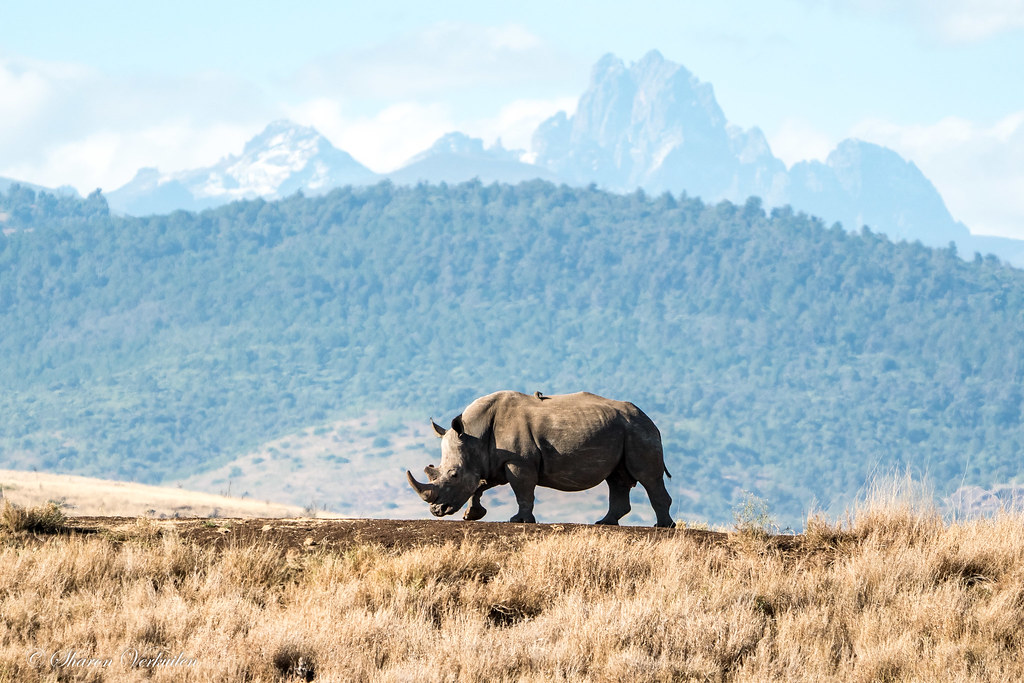
The Amboseli self-drive Kilimanjaro view experience is one of the most photographed wildlife compositions on earth — large African elephant herds moving across a dust flat with the snow-capped summit of Kilimanjaro (5,895m) filling the entire sky behind them. Amboseli National Park sits directly at the base of Kilimanjaro on the Kenya-Tanzania border, and the park's open volcanic ash flats give unobstructed 360-degree views of the mountain on clear mornings. Planning the Amboseli self-drive Kilimanjaro view window correctly — knowing which gate to use, the best time of day for the mountain to be cloud-free, and the internal circuit roads that position you between the elephant and the peak — is the difference between the iconic photograph and a frustrating morning of cloud-obscured mountain and distant animals. This guide covers all three Amboseli gates, the Observation Hill circuit, and the optimal morning schedule for the Kilimanjaro view window.
The Three Amboseli Entry Gates
Meshanani Gate (Main Gate, South Access)
Planning your East Africa self-drive circuit? Car Hire 4x4 Drive provides fully-equipped 4x4 vehicles for Uganda, Kenya, Tanzania, and Rwanda with COMESA insurance and cross-border documentation included. See how the booking process works or send a circuit enquiry for a quote within 24 hours.
Meshanani gate is the most commonly used Amboseli self-drive entry point — accessed from the C103 road south from Namanga (Kenya-Tanzania border) and then east along the park approach road. From Nairobi, the route is: A104 south to Namanga (165km, 2 hours), then east toward Amboseli (65km, 1 hour on murram) to Meshanani. Total Nairobi to Meshanani: 230km, 3 to 3.5 hours. This gate is on the southwestern corner of the park and provides direct access to the Enkongo Narok swamp — the main water source that concentrates wildlife including large elephant herds, hippo, and wading birds. KWS entry is paid here.
Kimana Gate (East Gate)
Kimana gate is on the eastern side of Amboseli, accessed from the Loitokitok road (from Nairobi via Sultan Hamud on the A109, then south to Loitokitok, then west to Kimana — approximately 280km, 4 hours). This gate is less used than Meshanani but is the correct entry if approaching from Tsavo West. Visitors staying at Kimana community conservancy (east of the park gate) also use this access.
Iremito Gate (North Gate)
The northern Iremito gate is a secondary entry point used less frequently by self-drive visitors — it accesses the park from the Nairobi-Namanga road directly via a smaller track. Not recommended for first-time Amboseli self-drive visitors — the road quality is less predictable and there is less signage than the Meshanani main gate approach.
The Kilimanjaro View Window: 6am to 9am
The Amboseli self-drive Kilimanjaro view is most likely to produce a clear mountain in the first 3 hours after sunrise. Kilimanjaro generates its own weather system — the mountain collects moisture from both the Indian Ocean and the Congo Basin, and by 9am to 10am on most days, cloud formation begins around the summit. The cloud builds progressively through the day, typically obscuring the peak completely by midday. The optimal Amboseli self-drive Kilimanjaro view window: gate entry at 6:30am (gate open), reach the elephant zones around Enkongo Narok swamp by 7am, and position the vehicle with Kilimanjaro behind the elephant by 7:30am in the early morning golden light. By 9am, cloud probability is rising significantly. By 11am, the mountain is usually behind cloud for the rest of the day.
Observation Hill: The Best Single Viewpoint
Observation Hill is a natural volcanic ash hill in the centre of Amboseli — approximately 50 metres above the surrounding flat. The hill has a designated parking area and a path to the summit (5 minutes walking — one of the few places in Kenya parks where alighting is allowed). From the Observation Hill summit, the 360-degree view shows the entire Amboseli basin: Kilimanjaro behind (to the south), the Enkongo Narok swamp ahead (northwest), and the open dust flats of the eastern park stretching to the Loitokitok escarpment. This is the best single vantage point for the Amboseli self-drive Kilimanjaro composition — photograph from the hill summit with a telephoto lens (400mm) to compress the foreground elephant herds against the mountain behind.
Entry Fees: Amboseli (2027/2028)
- Adult entry: USD 60 per person per 24 hours (KWS rate for non-residents)
- Vehicle entry: USD 40 per foreign-registered vehicle per day
- Total for 2 adults, 2 days: USD 240 in park fees + USD 80 vehicle = USD 320
- Payment: KWS eCitizen pre-payment (ecitizen.go.ke) — or cash at gate but card payment increasingly required
A 4x4 is essential for circuits that include the Ngorongoro Crater descent (which requires centre differential lock), the Bwindi Impenetrable Forest approach road in wet season, or Kidepo Valley National Park. For circuits that stay on sealed national highways and well-maintained murram roads in dry season a capable 2WD can manage — but the Toyota Land Cruiser V8 GX with full 4WD and diff lock is always the safest and most reliable choice for any East Africa self-drive circuit.
You need a valid driving licence (plus an International Driving Permit if your licence is not in English), the COMESA Yellow Card insurance certificate, a cross-border authority letter from the vehicle owner for each transit country, and the vehicle registration document. Car Hire 4x4 Drive prepares all cross-border documentation for the specific countries on your circuit as part of the standard hire process — no separate arrangement needed.
Yes. Most East Africa self-drive circuits do not require technical off-road skills — the majority of driving is on sealed national highways or well-maintained murram park roads. The vehicle handover at collection includes a full demonstration of the 4WD system. If your circuit includes genuinely technical sections such as the Ngorongoro Crater descent or Bwindi wet-season approach, a car with driver can be arranged for those sections if you have no prior 4WD experience.
Book 4 to 8 weeks in advance for standard circuits. For July to August peak season and December to January, book 3 to 4 months ahead. If your circuit includes gorilla trekking, Uganda permits via UWA should be booked 2 to 6 months ahead and Rwanda permits via the RDB 3 to 9 months ahead — the vehicle booking should align with confirmed permit dates. See the How It Works page for the complete booking process and deposit schedule.
The Toyota Land Cruiser V8 GX is the standard recommendation for any circuit covering two or more countries, or any circuit including Tanzania (Ngorongoro requires mandatory 4WD with diff lock) or Uganda's challenging approach roads. For Kenya-only or Rwanda-only dry-season circuits the Land Cruiser Prado is a cost-effective alternative. For groups of 6 or more passengers, the Toyota Hiace 9-seater safari van with pop-up roof is the most cost-effective per-person option.