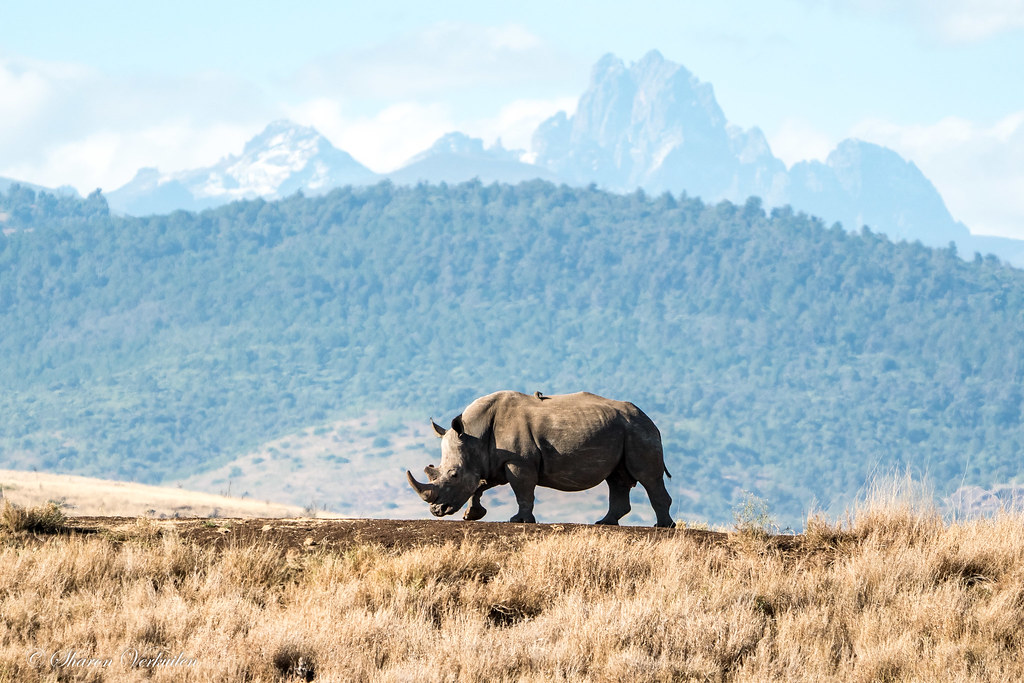
Amboseli National Park self-drive delivers East Africa's most iconic photographic composition — elephant moving across the open Amboseli plains with the snow-capped summit of Mount Kilimanjaro rising 5,895 metres in the background, a visual that defines the Kenya safari experience for most visitors. The Amboseli National Park self-drive is 240km from Nairobi (3.5 hours) on a combination of tarmac highway (to Namanga town) and murram (Namanga to the Meshanani gate, the southern main entry). Amboseli's compact 392 square kilometre size makes it one of the fastest parks to cover in Kenya — a single full day gives a complete Amboseli National Park self-drive circuit including the Enkongo Narok swamp (dawn elephant congregation), the dry lake bed (open-sky photography), and Observation Hill (the panoramic Kilimanjaro view).
Nairobi to Amboseli Self-Drive: The Route
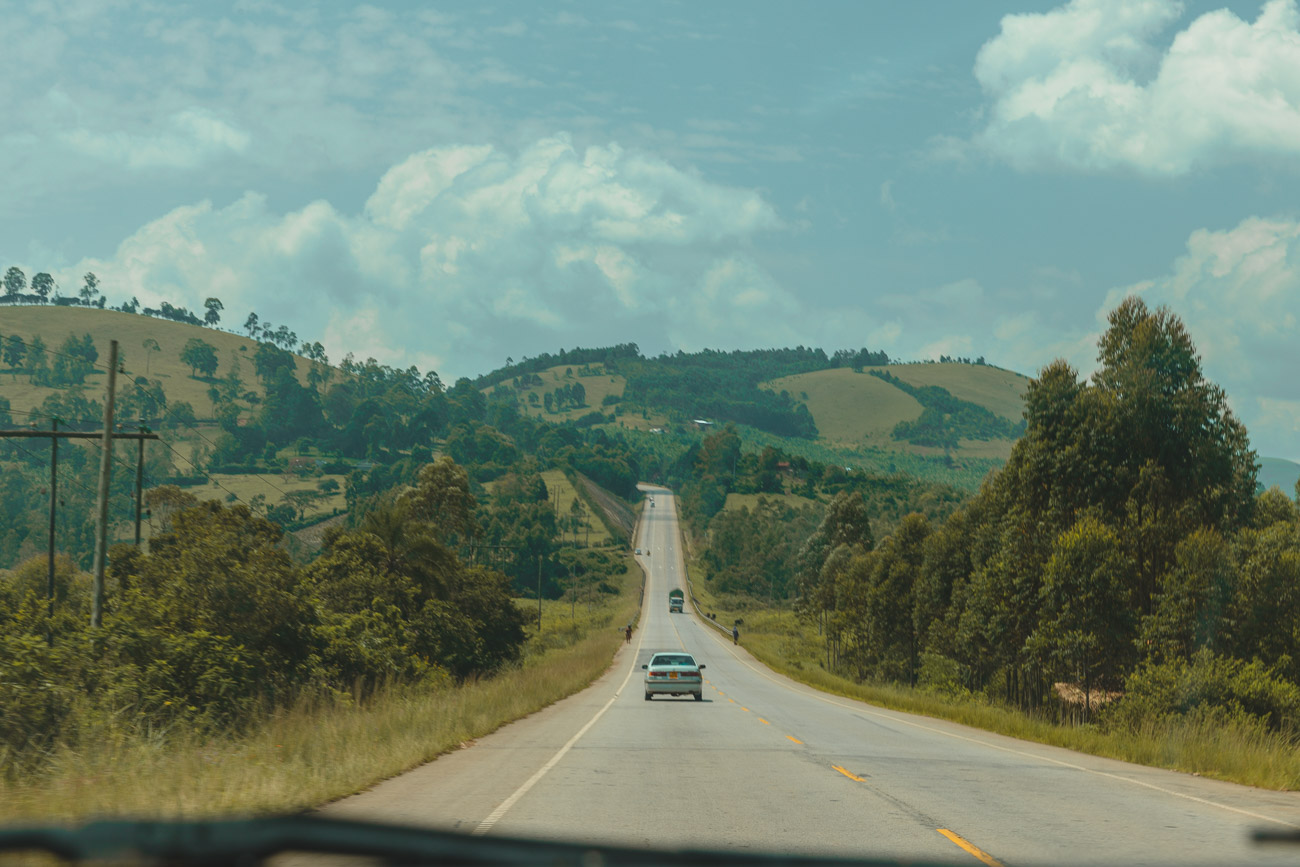
Drive south from Nairobi on the A104 Namanga Road (also called the Mombasa-Uganda Road through the city). Continue south past the airport turnoff and through Kitengela (30km), Athi River (50km), and Kajiado (90km) to Namanga border town (165km from Nairobi, 2.5 hours on good tarmac). At Namanga, turn east on the dirt road to Meshanani gate (75km, approximately 1.5 hours on murram). Alternative: Kimana gate on the eastern boundary is accessible from Taveta direction and easier if combining Amboseli with Tsavo West. Total Nairobi to Amboseli via Namanga and Meshanani gate: 240km, 3.5 to 4 hours.
Amboseli National Park Entry (2027/2028)
Planning your East Africa self-drive circuit? Car Hire 4x4 Drive provides fully-equipped 4x4 vehicles for Uganda, Kenya, Tanzania, and Rwanda with COMESA insurance and cross-border documentation included. See how the booking process works or send a circuit enquiry for a quote within 24 hours.
- Adult entry: USD 60 per person per 24 hours (KWS eCitizen pre-payment)
- Vehicle entry: USD 40 per vehicle
- Public campsite (Ol Tukai): USD 30 per person per night
- Gate hours: 06:00 to 18:30
Amboseli Self-Drive Circuit: The Essential Stops
Enkongo Narok Swamp (Dawn)
The Enkongo Narok is a permanent swamp fed by underground water from Kilimanjaro's glacial melt — the single most important water source in Amboseli and the point where the park's elephant herds (approximately 1,500 individuals) gather at dawn and dusk. Drive to the swamp edge by 6:15am — the early morning light on the elephant in the swamp water, with Kilimanjaro's summit clearing of cloud from 7am to 10am, creates the iconic Amboseli National Park self-drive photography composition. Kilimanjaro's summit is most reliably clear before 10am — cloud builds through the morning and the mountain often disappears by midday.
Observation Hill
Observation Hill (inside the park, signposted from the main circuit road) is the only point in Amboseli where visitors may alight from their vehicle (a UWA ranger is stationed at the hill for safety). The 10-minute walk to the hill's summit gives a 360-degree panoramic view of the park: Kilimanjaro to the south, the Enkongo Narok swamp below, the dry Lake Amboseli bed to the north, and the open plains stretching to the Masai conservancies on the park boundary. Best visited at golden hour (5:30pm to sunset).
The Dry Lake Bed
The dry Lake Amboseli bed (the ancient lake that gives the park its name) fills briefly after heavy rains — in dry periods it is a white salt flat stretching to the horizon, studded with migratory birds and the occasional flamingo when water pockets remain. The Amboseli National Park self-drive dry lake circuit gives a dramatically different landscape from the swamp and savanna zones — wide open sky photography with the flattest, most unobstructed Kilimanjaro views in the park when the mountain is clear.
A 4x4 is essential for circuits that include the Ngorongoro Crater descent (which requires centre differential lock), the Bwindi Impenetrable Forest approach road in wet season, or Kidepo Valley National Park. For circuits that stay on sealed national highways and well-maintained murram roads in dry season a capable 2WD can manage — but the Toyota Land Cruiser V8 GX with full 4WD and diff lock is always the safest and most reliable choice for any East Africa self-drive circuit.
You need a valid driving licence (plus an International Driving Permit if your licence is not in English), the COMESA Yellow Card insurance certificate, a cross-border authority letter from the vehicle owner for each transit country, and the vehicle registration document. Car Hire 4x4 Drive prepares all cross-border documentation for the specific countries on your circuit as part of the standard hire process — no separate arrangement needed.
Yes. Most East Africa self-drive circuits do not require technical off-road skills — the majority of driving is on sealed national highways or well-maintained murram park roads. The vehicle handover at collection includes a full demonstration of the 4WD system. If your circuit includes genuinely technical sections such as the Ngorongoro Crater descent or Bwindi wet-season approach, a car with driver can be arranged for those sections if you have no prior 4WD experience.
Book 4 to 8 weeks in advance for standard circuits. For July to August peak season and December to January, book 3 to 4 months ahead. If your circuit includes gorilla trekking, Uganda permits via UWA should be booked 2 to 6 months ahead and Rwanda permits via the RDB 3 to 9 months ahead — the vehicle booking should align with confirmed permit dates. See the How It Works page for the complete booking process and deposit schedule.
The Toyota Land Cruiser V8 GX is the standard recommendation for any circuit covering two or more countries, or any circuit including Tanzania (Ngorongoro requires mandatory 4WD with diff lock) or Uganda's challenging approach roads. For Kenya-only or Rwanda-only dry-season circuits the Land Cruiser Prado is a cost-effective alternative. For groups of 6 or more passengers, the Toyota Hiace 9-seater safari van with pop-up roof is the most cost-effective per-person option.