
The shoebill is the single most sought-after bird sighting in Uganda for serious birders and a remarkable experience even for non-birders. It is an enormous, prehistoric-looking species — standing 1.2 metres tall with a 24-centimetre shoe-shaped bill designed to catch African lungfish and juvenile crocodiles — that inhabits the papyrus swamps of the Upper Nile drainage in a distribution that makes Uganda one of the world's few places to reliably see it. On a self-drive safari, knowing exactly where to go and when to go there dramatically improves your chances.
What is the Shoebill?
The shoebill (Balaeniceps rex — "king of the whale-head") is classified as Vulnerable by the IUCN, with a global population estimated at 3,300–5,300 individuals. It is found only in central Africa's papyrus swamps, concentrated in Uganda, Sudan, and DRC. Uganda is the most accessible country for shoebill viewing — its Nile-fed wetlands and intact papyrus swamps provide optimal habitat. The bird is solitary, moves little during the day, and can stand completely motionless for 30 minutes at a time — which is why boat-based observation is more productive than shoreline searching. It waits, then lunges at fish with explosive speed.
Best Locations for Shoebill in Uganda
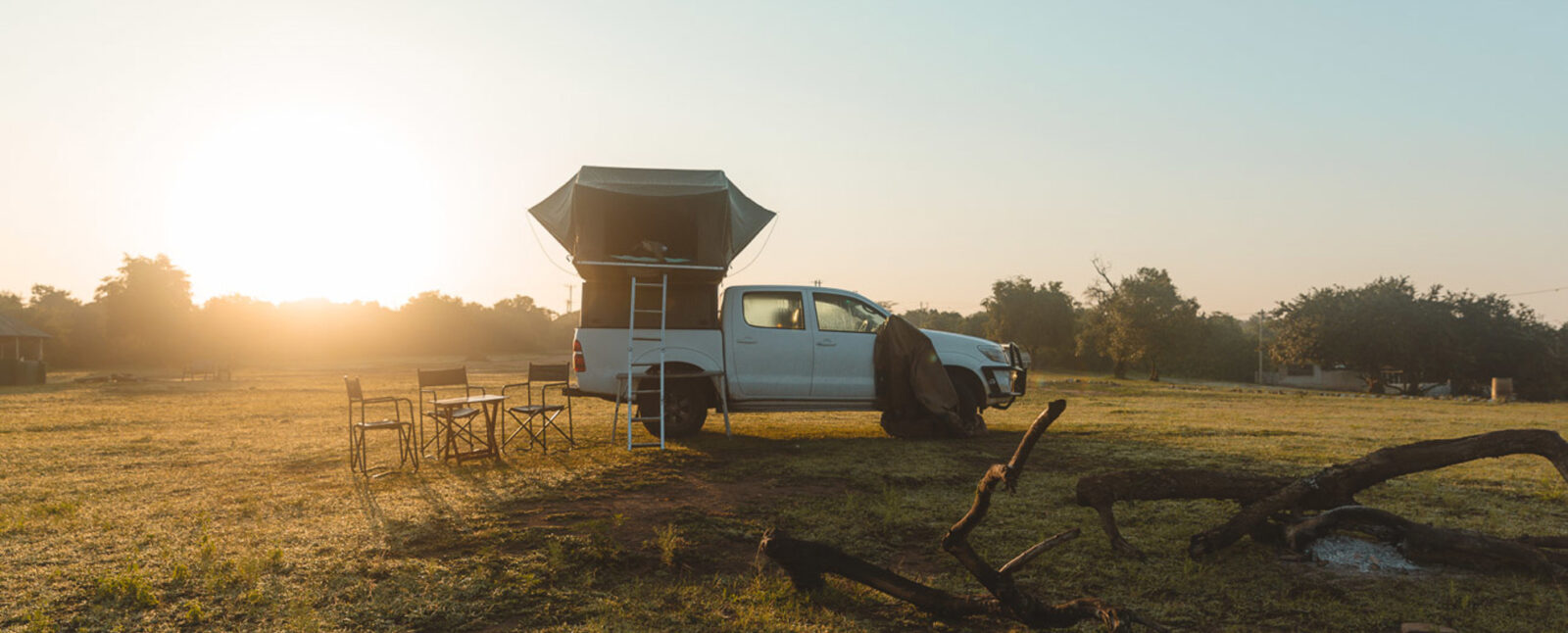
Planning your East Africa self-drive circuit? Car Hire 4x4 Drive provides fully-equipped 4x4 vehicles for Uganda, Kenya, Tanzania, and Rwanda with COMESA insurance and cross-border documentation included. See how the booking process works or send a circuit enquiry for a quote within 24 hours.
1. Murchison Falls National Park — Albert Nile Delta
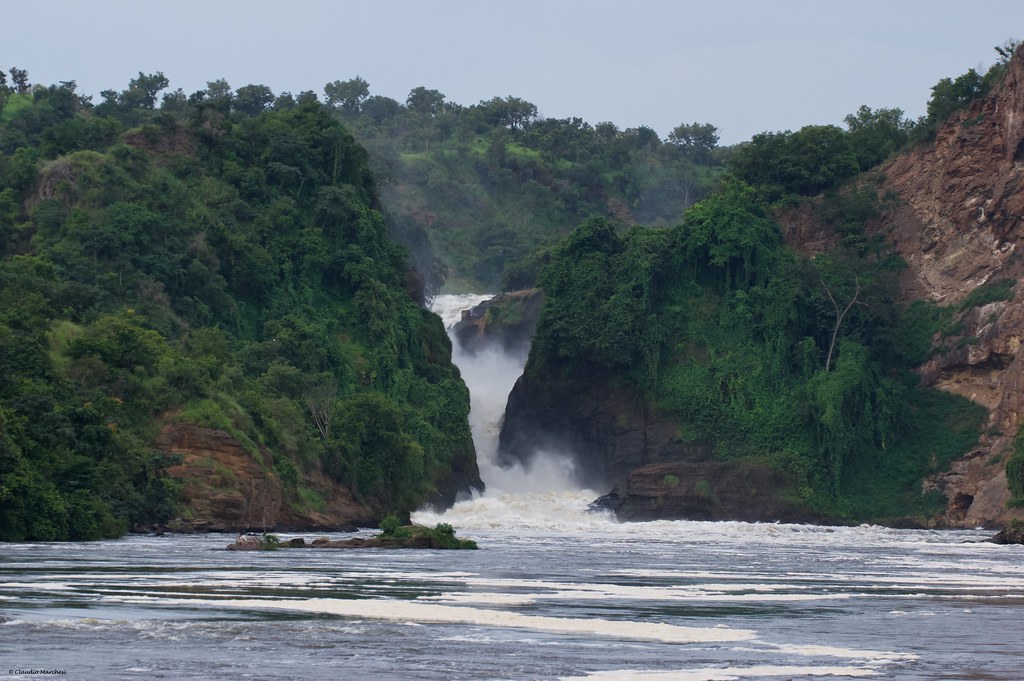
The most productive shoebill site in Uganda. The Albert Nile delta, where the Nile flows into Lake Albert at the park's northern boundary, has extensive papyrus swamps that consistently support shoebill. The recommended approach is by motorboat from Paraa — ask your lodge or the UWA desk to arrange a "delta trip" rather than the standard falls boat trip. The delta trip costs USD $40–$60 per boat depending on group size and takes 2–3 hours. Success rate during the dry season (June–September) exceeds 70%. During the rainy season, rising water levels spread birds more widely and success rates drop.
2. Bigodi Wetland Sanctuary, near Kibale Forest
Bigodi Wetland Sanctuary lies 10 km from the Kibale Forest National Park headquarters and is managed by the local community as an ecotourism project. The papyrus wetland is one of the most reliable shoebill sites in Uganda, with sightings reported on approximately 60–70% of guided walks during the dry season. Entry costs USD $10 per person, guides are provided by the community, and the 3-hour walk also produces sitatunga antelope, red-tailed monkey, and over 200 bird species including the rare papyrus gonolek. This is the easiest shoebill site to access during the standard Kibale self-drive circuit.
3. Mabamba Bay Wetland, Lake Victoria (near Entebbe)
Mabamba Bay on the northern shore of Lake Victoria, approximately 40 km west of Entebbe, is Uganda's most accessible shoebill site and the recommended location if shoebill viewing is your primary objective. The papyrus swamp is extensive and supports a significant shoebill population year-round. Access is by dugout canoe from the Mabamba landing site — paddlers are available locally and cost approximately USD $20–$30 for a 2-3 hour trip. Success rates are very high: on most mornings, multiple shoebill are sighted within 90 minutes on the water. This site works well as a half-day excursion from Entebbe on arrival or departure day, adding a near-guaranteed shoebill to your trip at minimal extra cost or time.
4. Queen Elizabeth National Park — Kazinga Channel Papyrus Margins
Shoebill are occasionally seen in the papyrus margins along the Kazinga Channel during the standard boat trip, but sightings are less reliable than at Mabamba, Bigodi, or Murchison delta. This is a bonus sighting rather than a primary destination for shoebill seekers.
5. Ziwa Rhino Sanctuary Wetland (en route to Murchison Falls)
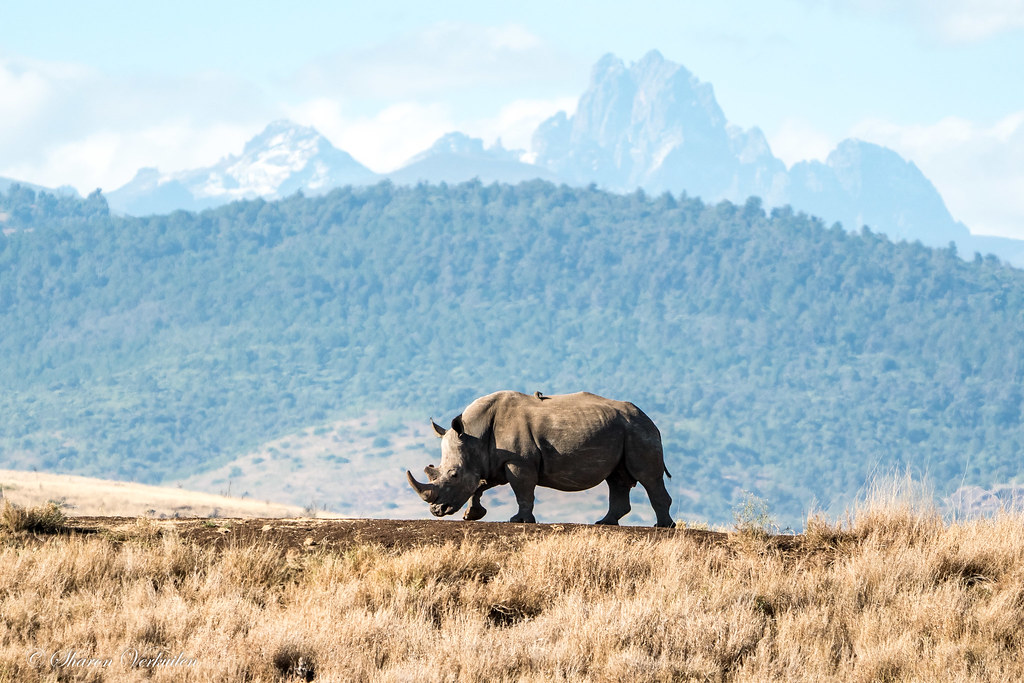
Ziwa Rhino Sanctuary, on the Kampala–Murchison road approximately 160 km north of Kampala, has a small papyrus wetland that is occasionally visited by shoebill. The sanctuary is primarily known as Uganda's only white rhino site (reintroduced in 2005, approximately 30 animals in 2024), but the shoebill at the wetland edge offers a bonus birding stop on the drive north. Rhino tracking at Ziwa costs USD $50 per person — it is the only place in Uganda to see rhino on foot.
Best Time of Year for Shoebill Viewing
Dry seasons (June–September and December–February) are consistently better for shoebill viewing. During dry periods, water levels in papyrus swamps drop and shoebill concentrate near remaining open water and fish pools — making them easier to locate and observe. During the rainy seasons (March–May, October–November), the birds disperse into flooded papyrus and become much harder to find.
Best time of day: early morning (6–9am) and late afternoon (4–6pm). Shoebill are most active in low light and heat, standing motionless during the hottest midday hours. For the Mabamba Bay boat trip, an early start maximises your chance of finding birds on open water before they retreat into deep papyrus.
Car Hire 4x4 Drive can include Mabamba Bay and Bigodi Wetland in your self-drive itinerary planning. Contact us to discuss vehicle rental for your Uganda birding safari.
Frequently Asked Questions
Do I need 4WD for a self-drive safari in East Africa?
4WD is essential for any circuit that includes the Ngorongoro Crater descent (which requires centre differential lock), the Bwindi Impenetrable approach road in wet season, or Kidepo Valley National Park. For circuits that stay on sealed national highways and well-maintained murram roads in dry season, a capable 2WD vehicle can manage — but the Toyota Land Cruiser V8 GX with full 4WD and diff lock is always the safest and most reliable choice for any East Africa circuit.
What documents do I need to drive across East Africa borders?
You need the COMESA Yellow Card insurance certificate (valid for all East Africa Community member states), a cross-border authority letter from the vehicle owner for each transit country, and the vehicle registration document. Car Hire 4x4 Drive prepares all cross-border documentation for the specific countries on your circuit as part of the standard hire process — no separate arrangement needed.
Can I self-drive in East Africa without previous off-road experience?
Yes. Most East Africa self-drive circuits do not require technical off-road skills — the majority of the driving is on sealed national highways or well-maintained murram park roads. The vehicle handover at collection includes a full demonstration of the 4WD system. If your circuit includes genuinely technical sections (Ngorongoro crater descent, Bwindi wet-season approach), consider a car with driver for those sections if you have no prior 4WD experience.
How far in advance should I book my East Africa self-drive vehicle?
Book 4 to 8 weeks in advance for standard circuits. For July–August peak season (wildebeest migration) and December–January, book 3 to 4 months ahead. Rwanda gorilla permits should be booked 3 to 9 months in advance via the RDB portal; Uganda gorilla permits (Bwindi) should be booked 2 to 6 months ahead via UWA. See the full FAQ and the How It Works page for the complete booking process.
Which vehicle is best for a multi-country East Africa circuit?
The Toyota Land Cruiser V8 GX is the standard recommendation for any circuit covering two or more countries, or any circuit that includes Tanzania (Ngorongoro is mandatory 4WD with diff lock) or Uganda's challenging approach roads (Bwindi, Kidepo). For Kenya-only or Rwanda-only dry-season circuits, the Land Cruiser Prado is a cost-effective alternative. For groups of 6 or more passengers, the Toyota Hiace 9-seater safari van with pop-up roof is the most cost-effective per-person option.