Uganda's elephant population has recovered significantly since the poaching crisis of the 1980s that reduced numbers to under 700 animals across the entire country. Today over 5,000 elephants live in Uganda's national parks, with Murchison Falls holding the largest population (approximately 2,500), followed by Queen Elizabeth (approximately 1,500). Self-drive visitors will encounter elephants on virtually every circuit in Uganda's major parks, but knowing where to go and when to be there makes the difference between a distant herd and a close encounter.
Murchison Falls: Uganda's Elephant Capital
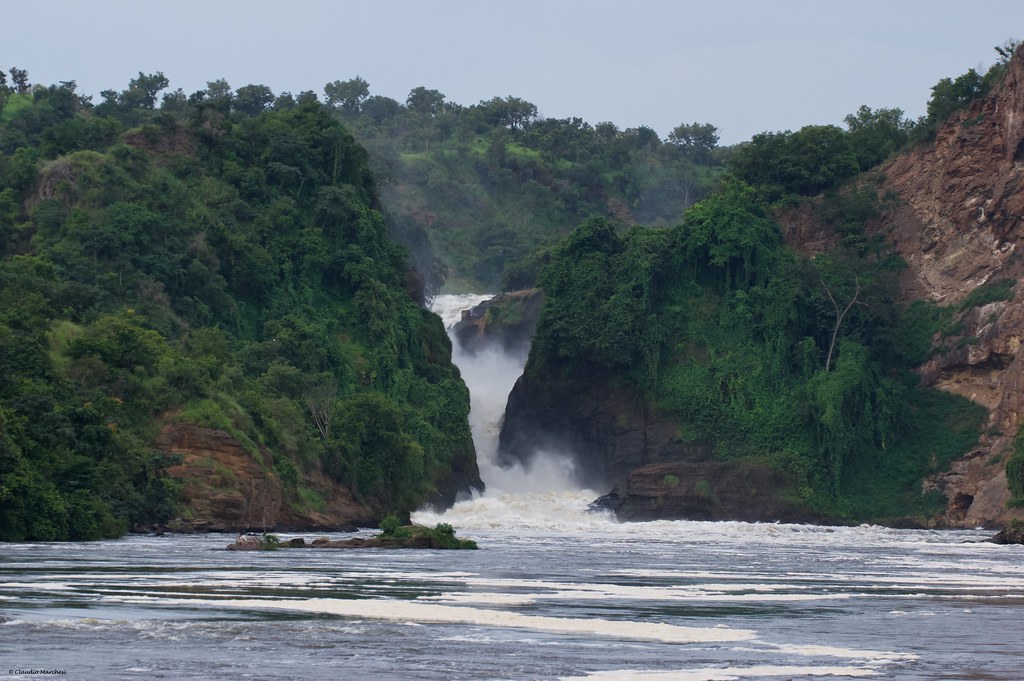
The north bank of the Nile at Murchison Falls holds Uganda's densest elephant population. The Buligi circuit, which extends from Paraa west toward the park's western boundary, is the most productive area for elephant herds — groups of 20–80 animals are regularly encountered crossing the open plain. The best time is early morning (6:30–9am) when herds are moving from night grazing areas toward water. In the dry season (June–August, December–January), elephants concentrate near the Nile's permanent water sources and are visible daily from the river road.
Approach elephants in your vehicle slowly, from the downwind side if possible (elephants have excellent smell), and stop the engine when close — engine vibrations can agitate elephants that are otherwise comfortable with a stationary vehicle. Maintain at least 30 metres distance. If an elephant raises its trunk toward you, turns broadside, or flaps its ears rapidly: slowly back away. These are warning signs, not aggression — a charging elephant is the next stage.
Queen Elizabeth: Elephant at the Kazinga Channel
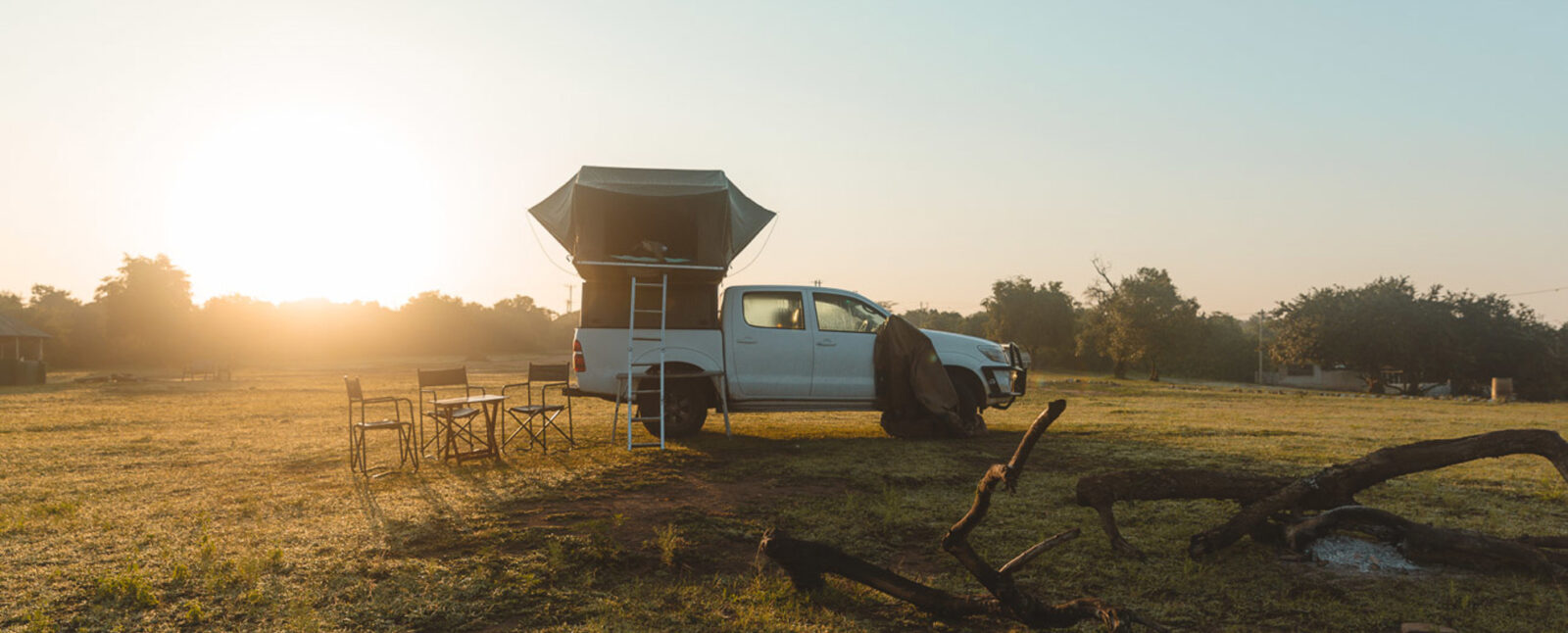
Planning your East Africa self-drive circuit? Car Hire 4x4 Drive provides fully-equipped 4x4 vehicles for Uganda, Kenya, Tanzania, and Rwanda with COMESA insurance and cross-border documentation included. See how the booking process works or send a circuit enquiry for a quote within 24 hours.
Queen Elizabeth's elephants concentrate near the Kazinga Channel's north bank, particularly in the late afternoon when they come to drink. The boat trip frequently passes elephant drinking at 10–15 metres from the water edge — this is the most intimate elephant encounter on any Uganda boat trip. The Ishasha sector's gallery forest also holds elephant; they are less visible than on the open Kasenyi circuit but memorable when encountered walking between fig trees.
Forest Elephants at Kibale and Semuliki
Kibale Forest and Semuliki National Park hold forest elephants — a separate subspecies (Loxodonta cyclotis) smaller than savannah elephants, with more rounded ears and straighter tusks. Forest elephants are rarely seen in open areas — fresh tracks, large dung piles, and broken vegetation are more commonly encountered than the animals themselves. The Semuliki Valley is the best Uganda site for forest elephant evidence; actual sightings require early starts and significant patience.
Car Hire 4x4 Drive provides vehicles for all elephant-concentrated parks. Contact us for vehicle rental for your Uganda safari.
Frequently Asked Questions
Do I need 4WD for a self-drive safari in East Africa?
4WD is essential for any circuit that includes the Ngorongoro Crater descent (which requires centre differential lock), the Bwindi Impenetrable approach road in wet season, or Kidepo Valley National Park. For circuits that stay on sealed national highways and well-maintained murram roads in dry season, a capable 2WD vehicle can manage — but the Toyota Land Cruiser V8 GX with full 4WD and diff lock is always the safest and most reliable choice for any East Africa circuit.
What documents do I need to drive across East Africa borders?
You need the COMESA Yellow Card insurance certificate (valid for all East Africa Community member states), a cross-border authority letter from the vehicle owner for each transit country, and the vehicle registration document. Car Hire 4x4 Drive prepares all cross-border documentation for the specific countries on your circuit as part of the standard hire process — no separate arrangement needed.
Can I self-drive in East Africa without previous off-road experience?
Yes. Most East Africa self-drive circuits do not require technical off-road skills — the majority of the driving is on sealed national highways or well-maintained murram park roads. The vehicle handover at collection includes a full demonstration of the 4WD system. If your circuit includes genuinely technical sections (Ngorongoro crater descent, Bwindi wet-season approach), consider a car with driver for those sections if you have no prior 4WD experience.
How far in advance should I book my East Africa self-drive vehicle?
Book 4 to 8 weeks in advance for standard circuits. For July–August peak season (wildebeest migration) and December–January, book 3 to 4 months ahead. Rwanda gorilla permits should be booked 3 to 9 months in advance via the RDB portal; Uganda gorilla permits (Bwindi) should be booked 2 to 6 months ahead via UWA. See the full FAQ and the How It Works page for the complete booking process.
Which vehicle is best for a multi-country East Africa circuit?
The Toyota Land Cruiser V8 GX is the standard recommendation for any circuit covering two or more countries, or any circuit that includes Tanzania (Ngorongoro is mandatory 4WD with diff lock) or Uganda's challenging approach roads (Bwindi, Kidepo). For Kenya-only or Rwanda-only dry-season circuits, the Land Cruiser Prado is a cost-effective alternative. For groups of 6 or more passengers, the Toyota Hiace 9-seater safari van with pop-up roof is the most cost-effective per-person option.