The Ngorongoro Conservation Area (NCA) operates under different rules from Tanzania's national parks — it is a multiple-use conservation area managed by the NCA Authority (NCAA), not TANAPA, and allows Maasai pastoralists to live and graze cattle within the area while restricting cultivation. For self-drive safari visitors, the NCA has specific regulations and fee structures that differ significantly from the TANAPA parks on the Northern Circuit. Understanding these rules before arriving at the gate prevents confusion, delays, and additional costs. This 2025 guide covers the complete self-drive framework for the Ngorongoro Conservation Area.
Fee Structure 2025
- NCA Conservation Fee (adult non-resident): USD $80 per person per 24-hour period
- NCA Conservation Fee (child 5–15): USD $40 per person per 24-hour period
- Crater Descent Fee (vehicle): USD $295 per vehicle per day (one descent and re-ascent per payment — you cannot re-enter the crater on the same payment)
- Camping (public sites): USD $70 per person per night
- Vehicle registration: USD $10 per vehicle
- Guide fee (compulsory for crater descent): USD $20–30 per vehicle for an NCA guide (crater descent requires a compulsory NCA guide — your own driver-guide alone is not sufficient)
Crater Descent Rules
Planning your East Africa self-drive circuit? Car Hire 4x4 Drive provides fully-equipped 4x4 vehicles for Uganda, Kenya, Tanzania, and Rwanda with COMESA insurance and cross-border documentation included. See how the booking process works or send a circuit enquiry for a quote within 24 hours.
The Ngorongoro Crater descent is the most regulated drive in Tanzania — the NCAA limits the number of vehicles in the crater and the time any vehicle spends inside. Key rules: maximum 6 hours in the crater per day (08:00–16:00 operational window — you must descend by 10:00 to have 6 hours and must exit by 16:00 regardless of descent time).
Compulsory NCA guide for all crater descents — even if you have your own experienced driver-guide, an NCA crater guide must accompany your vehicle. The NCA guide is assigned at the crater rim gate (Seneto Descent Road or Lerai Descent Road) and charges approximately USD $20–30 per descent. The compulsory guide requirement is strictly enforced — expect to be turned back if you attempt to descend without a crater guide.
Maximum speed inside the crater: 25 km/h on crater roads. No off-road driving anywhere in the NCA (enforced by NCAA patrols and heavily penalised). Camping in the crater: prohibited for visitors (only researchers with NCAA permits can overnight in the crater).
The Two Descent Roads
The crater has two one-way road systems: Seneto Descent Road (the designated descent-only road, on the western crater wall) and Lerai Ascent Road (the designated ascent-only road, on the eastern wall). All vehicles descend via Seneto and ascend via Lerai — this one-way system prevents head-on conflicts on the narrow crater wall roads. The descent via Seneto (approximately 20 minutes from rim to crater floor) provides initial views of the crater's western plain. The ascent via Lerai (approximately 25 minutes from crater floor to rim) passes the Lerai forest (fever tree forest on the crater floor, where dense elephant and baboon populations concentrate). Both roads are graded murram — manageable in a standard 2WD in dry conditions, but a 4x4 is strongly recommended for the wet season (March–May, October–November) when the roads can be slippery.
What Self-Drive Visitors Can and Cannot Do
Can do: drive on all designated NCA roads (crater access, Ndutu area roads, Olduvai Gorge access road). Stop at any point on the road for wildlife viewing. Picnic at the Ngoitoktok picnic site (the only designated picnic area inside the crater).
Visit Olduvai Gorge (the famous paleoanthropology site where human fossil remains dating 1.8 million years were found — a 25 km drive from the Ngorongoro rim, open daily, entry USD $15, guided tour of the excavation site included). Cannot do: exit the vehicle in the crater outside the Ngoitoktok picnic site. Drive off designated roads.
Descend without an NCA crater guide. Spend more than 6 hours in the crater. Enter the crater via the Lerai road (descent only via Seneto).
Bring plastic bags into the NCA (strictly prohibited — Tanzania-wide ban). Enter the Ndutu area on the NCA's southern boundary without a separate Ndutu Safari Lodge permit if planning to stay there overnight.
Olduvai Gorge: The Human Evolution Site
Olduvai Gorge (now correctly spelled Oldupai Gorge following the 2007 re-adoption of the original Maasai name) is a 48-km ravine in the NCA that has produced some of the world's most significant paleoanthropological discoveries — most famously the Zinj skull (Paranthropus boisei, 1.75 million years old) found by Mary Leakey in 1959, and the Homo habilis remains that pushed the origin of tool use back to 2.4 million years ago.
The site museum (USD $15 entry per person, included in NCA conservation fee — confirm at the gate) provides a good introduction to the excavation history, the stratigraphic layers of the gorge, and the significance of the finds. A guided walk to the active excavation site (30 minutes) is available with the museum ranger. The gorge itself — a 90-metre-deep ravine cut by erosion through 2 million years of sediment layers — is visually impressive even for visitors without specific interest in paleoanthropology.
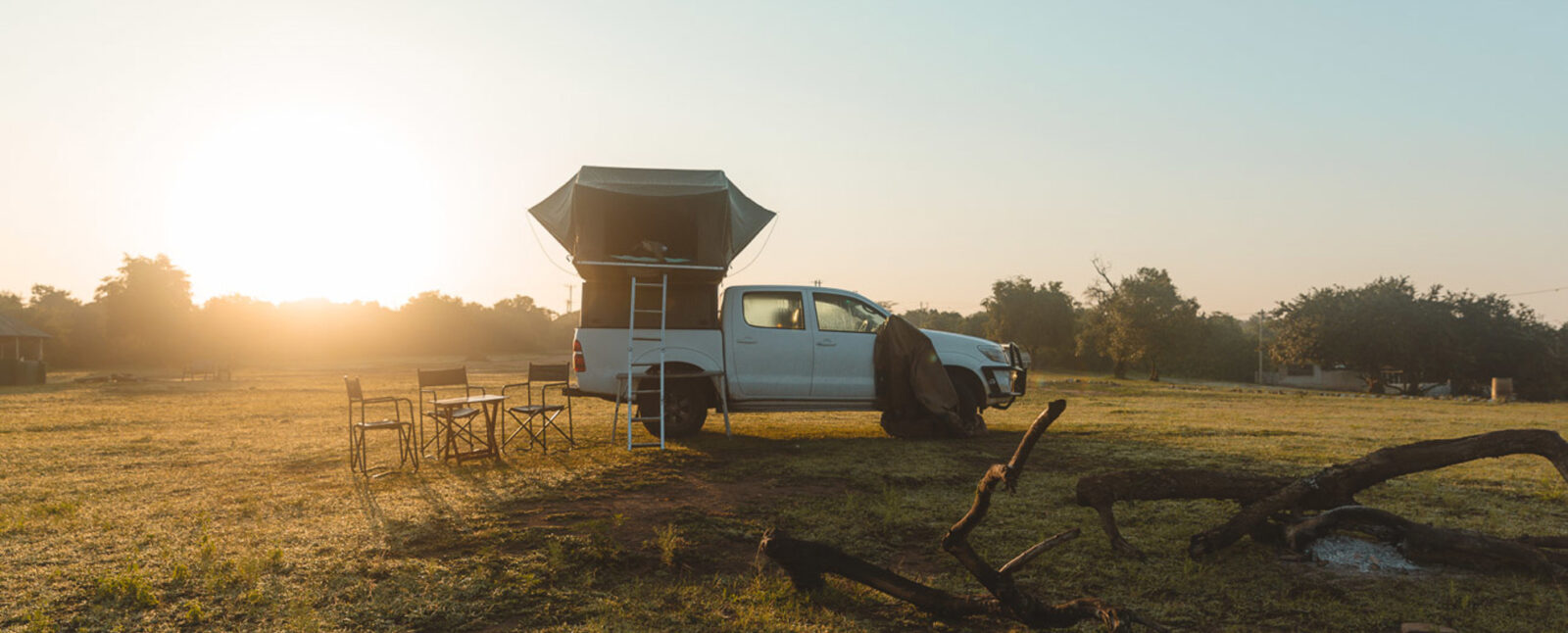
A 4x4 is essential for circuits that include the Ngorongoro Crater descent (which requires centre differential lock), the Bwindi Impenetrable Forest approach road in wet season, or Kidepo Valley National Park. For circuits that stay on sealed national highways and well-maintained murram roads in dry season a capable 2WD can manage — but the Toyota Land Cruiser V8 GX with full 4WD and diff lock is always the safest and most reliable choice for any East Africa self-drive circuit.
You need a valid driving licence (plus an International Driving Permit if your licence is not in English), the COMESA Yellow Card insurance certificate, a cross-border authority letter from the vehicle owner for each transit country, and the vehicle registration document. Car Hire 4x4 Drive prepares all cross-border documentation for the specific countries on your circuit as part of the standard hire process — no separate arrangement needed.
Yes. Most East Africa self-drive circuits do not require technical off-road skills — the majority of driving is on sealed national highways or well-maintained murram park roads. The vehicle handover at collection includes a full demonstration of the 4WD system. If your circuit includes genuinely technical sections such as the Ngorongoro Crater descent or Bwindi wet-season approach, a car with driver can be arranged for those sections if you have no prior 4WD experience.
Book 4 to 8 weeks in advance for standard circuits. For July to August peak season and December to January, book 3 to 4 months ahead. If your circuit includes gorilla trekking, Uganda permits via UWA should be booked 2 to 6 months ahead and Rwanda permits via the RDB 3 to 9 months ahead — the vehicle booking should align with confirmed permit dates. See the How It Works page for the complete booking process and deposit schedule.
The Toyota Land Cruiser V8 GX is the standard recommendation for any circuit covering two or more countries, or any circuit including Tanzania (Ngorongoro requires mandatory 4WD with diff lock) or Uganda's challenging approach roads. For Kenya-only or Rwanda-only dry-season circuits the Land Cruiser Prado is a cost-effective alternative. For groups of 6 or more passengers, the Toyota Hiace 9-seater safari van with pop-up roof is the most cost-effective per-person option.