Ngorongoro Crater is the most concentrated wildlife arena on Earth — 264 sq km of crater floor at the base of a 600-metre volcanic caldera wall, containing approximately 25,000 large mammals including the highest density of lion in Africa, the only significant black rhino population in Tanzania open to non-specialist tourism, and the full suite of savanna species in a landscape that feels almost theatrical in its perfection. Sitting at 1,800m altitude in the Ngorongoro Conservation Area of northern Tanzania, the crater is 175 km from Arusha and forms the essential link between Arusha/Manyara/Tarangire and the Serengeti on the Northern Circuit. Here is everything you need to know for a self-drive crater descent.
Getting to Ngorongoro: Arusha to the Crater Rim
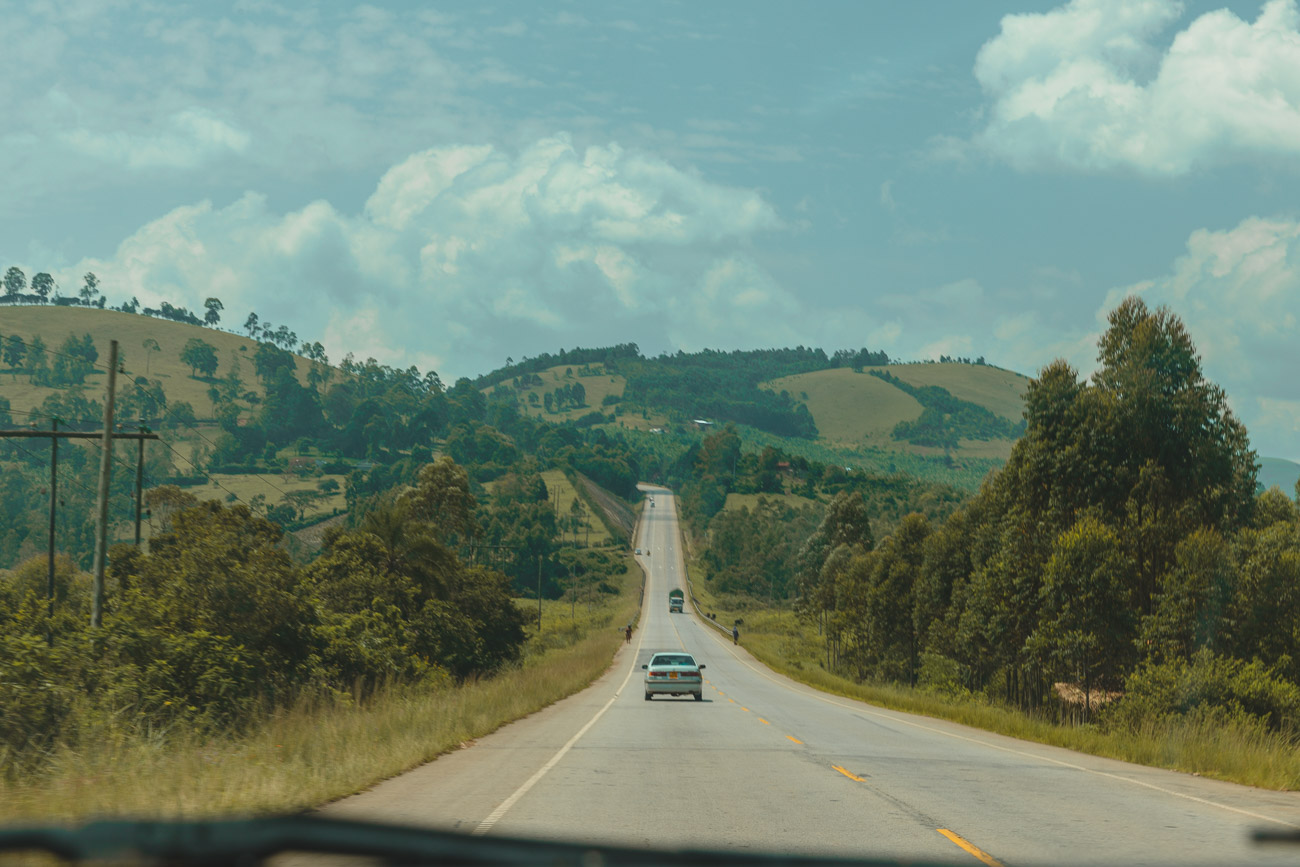
From Arusha, take the B144 highway west toward Makuyuni (75 km, paved, 1 hour). At Makuyuni junction, continue west on the B144 toward Karatu. The road is paved to the outskirts of Karatu (135 km from Arusha, 2.5 hours) with deteriorating surface quality after the Makuyuni junction — potholes increase as you approach the escarpment. From Karatu, the road climbs steeply to the Ngorongoro Conservation Area gate (at 2,200m) over 45 km of gravel/dirt road through coffee plantations and forest. Allow 1.5 hours for this section. The NCA gate at Lodoare requires payment of the conservation area fee and registration. From the gate, the road continues 15 km to the Crater rim and the main lodge area (Ngorongoro Serena, Wildlife Lodge). Total from Arusha: approximately 4-4.5 hours.
The Fee Structure: What You Pay to Descend the Crater
Planning your East Africa self-drive circuit? Car Hire 4x4 Drive provides fully-equipped 4x4 vehicles for Uganda, Kenya, Tanzania, and Rwanda with COMESA insurance and cross-border documentation included. See how the booking process works or send a circuit enquiry for a quote within 24 hours.
The Ngorongoro Conservation Area (NCA) has a multi-component fee structure that catches first-time visitors off-guard:
- NCA conservation fee: USD $70 per person per day (non-resident adult), USD $35 per child
- Vehicle fee: USD $50 per vehicle per entry (regardless of how many days you stay on the rim)
- Crater descent fee: USD $200 per vehicle per descent. This is charged each time your vehicle descends into the crater and is separate from the conservation fee. Maximum 6 hours inside the crater per descent.
For 2 adults doing a 2-day NCA visit with 1 crater descent: NCA fees USD $280 + vehicle USD $50 + crater descent USD $200 = USD $530 for 2 people, just in fees. This is before accommodation or meals. Factor this into your budget carefully.
The Descent: What the Crater Floor Experience Is Like
The descent road from the crater rim to the floor drops 600 metres over approximately 12 km of switchback road. The road is unpaved with corrugated sections and requires 4x4 low range on the steepest switchbacks, particularly in wet conditions. The descent takes 30-45 minutes. At the bottom, you emerge from forest into open grassland with the entire 264 sq km crater floor spread before you — a complete ecosystem entirely enclosed by the caldera walls rising on all sides. The scale is initially disorienting: the far wall of the crater is 19 km away but clearly visible on a clear morning.
Hippo Pool
The Mandusi Hippo Pool in the crater's western section is a mandatory stop — a permanent lake with approximately 100 hippos visible year-round. The pool is also home to a large Nile crocodile population and is the crater's primary water bird hub: Egyptian goose, spur-winged goose, lesser flamingo (variable numbers), great white pelican, and goliath heron. The hippos at Mandusi are habituated to vehicles and will continue their surface-basking displays without moving to cover. Pull up at the viewing area (vehicles are assigned specific viewing positions by ranger traffic management) and watch for up to 30 minutes.
Black Rhino: Where to Find Them
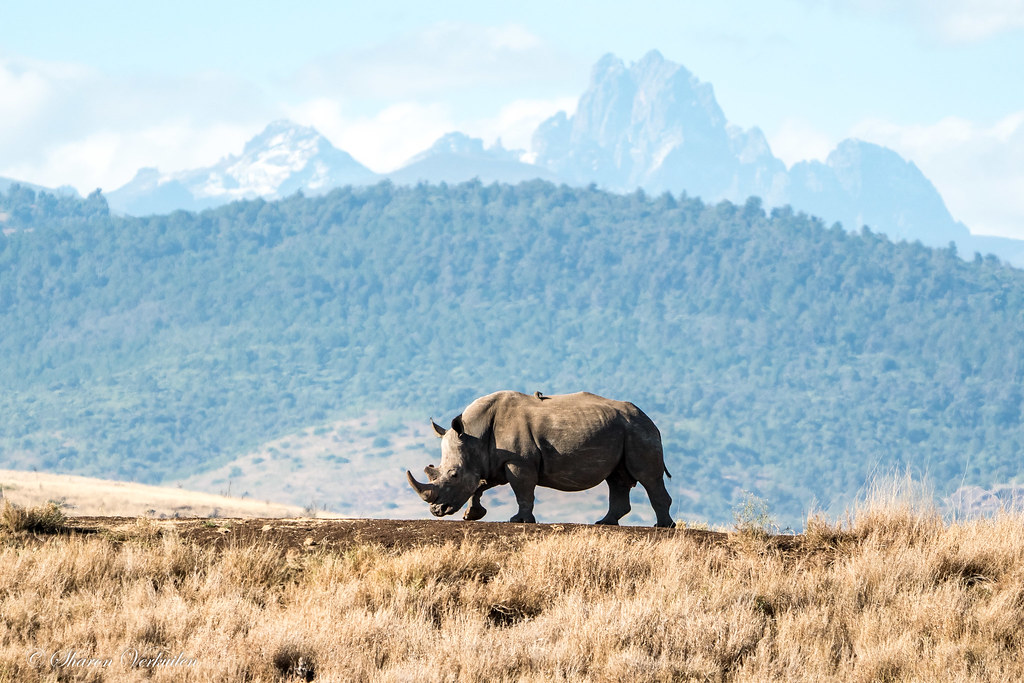
Ngorongoro's black rhino population (approximately 30 individuals) is the most reliable wild black rhino viewing opportunity in East Africa outside of private conservancies like Ol Pejeta. The rhino range through the crater's grassland and forest-edge areas, most commonly in the southwestern area near the lerai forest acacia zone. Morning drives (08:00-11:00) in this area typically produce rhino encounters. Rangers stationed on the crater floor can advise on recent rhino locations — ask at the forest area viewpoints. Rhino sighting probability on a full crater day: approximately 70-80%.
Lions: The Highest Density in Africa
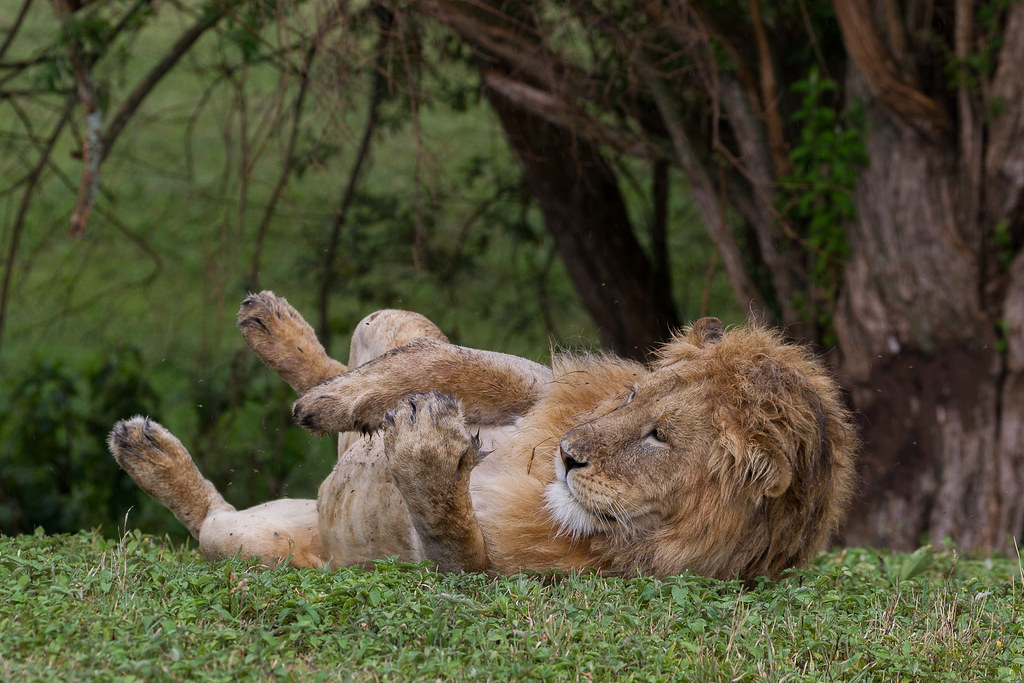
The Ngorongoro crater holds approximately 60 lions across 5-7 prides in its 264 sq km — a density far exceeding any comparable area in Africa. Lion sightings in the crater are virtually guaranteed on any full-day descent. The most concentrated lion pride territory is the central grassland area between the hippo pool and the Ngoitokitok Springs (eastern crater). Morning (08:00-11:00) and late afternoon (15:00-17:30) are peak activity periods. Midday lions typically rest under whatever shade is available — termite mounds, small bushes, or the rare acacia tree on the crater floor.
Cheetah in the Crater
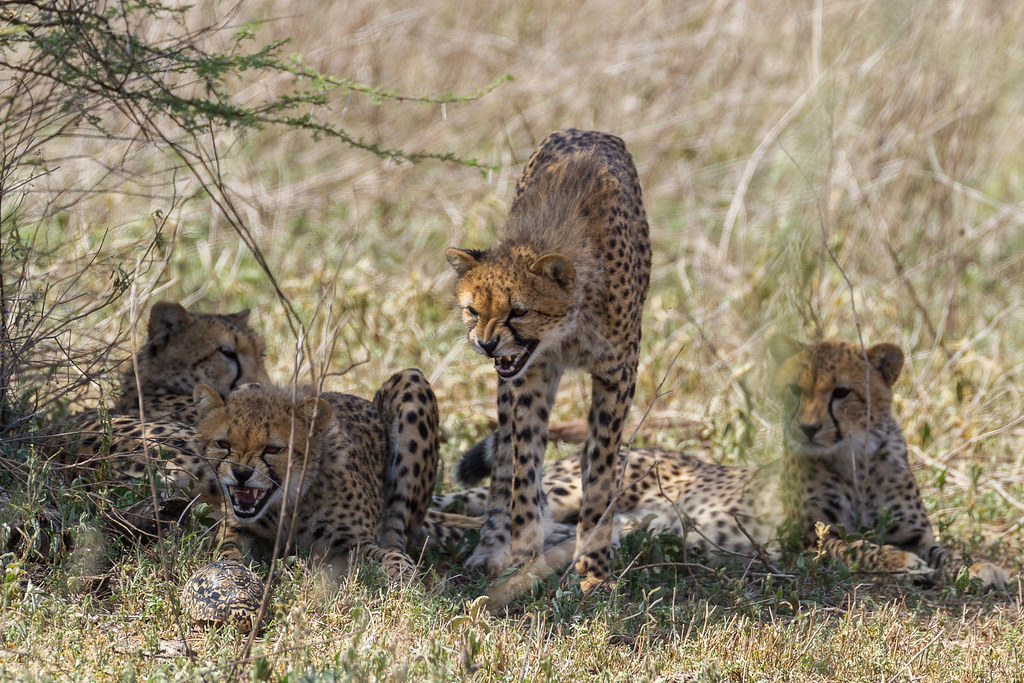
Ngorongoro's cheetah population is small (approximately 5-8 individuals) and notoriously shy — the crater's large hyena population (estimated 400 hyena in the crater) means cheetahs frequently lose kills to hyena and are generally more stressed and elusive than Serengeti cheetah. Nevertheless, the open grassland of the eastern and northern crater areas provides good cheetah scanning opportunity in the early morning. If you see cheetah in the crater, maintain distance and avoid crowding the animal — a stressed, hyena-pursued cheetah will not hunt successfully and vehicle pressure adds to its stress.
Time Restrictions and Traffic Rules
The crater has strictly enforced visitor rules designed to limit vehicle impact. Maximum vehicles inside the crater simultaneously: approximately 60 (in practice NCA enforces this loosely in peak season but nominally). Maximum time in crater: 6 hours per descent. Gate closes for crater exit at 18:00 — the ascent road is steep and close to sunset driving is dangerous. Most rangers will start directing vehicles toward the ascent road from 16:30. Vehicles must exit via the designated ascent road (different from the descent road). Off-road driving is prohibited. Visitors cannot leave their vehicles on the crater floor except at designated rest stops (Ngoitokitok Springs picnic area is the main stop — tables, long-drop toilets, amazing wildlife views while eating).
Accommodation on the Crater Rim
- Ngorongoro Serena Safari Lodge: USD $350-500/night per person. Magnificent crater-rim location, stone architecture, excellent crater views at dawn. Full-board.
- Ngorongoro Wildlife Lodge: USD $200-280/night per person. TANAPA-operated, functional, crater-rim views. Good value for the NCA.
- Ngorongoro Sopa Lodge: USD $180-250/night per person. Reliable mid-range, slightly away from the main crater viewpoint area.
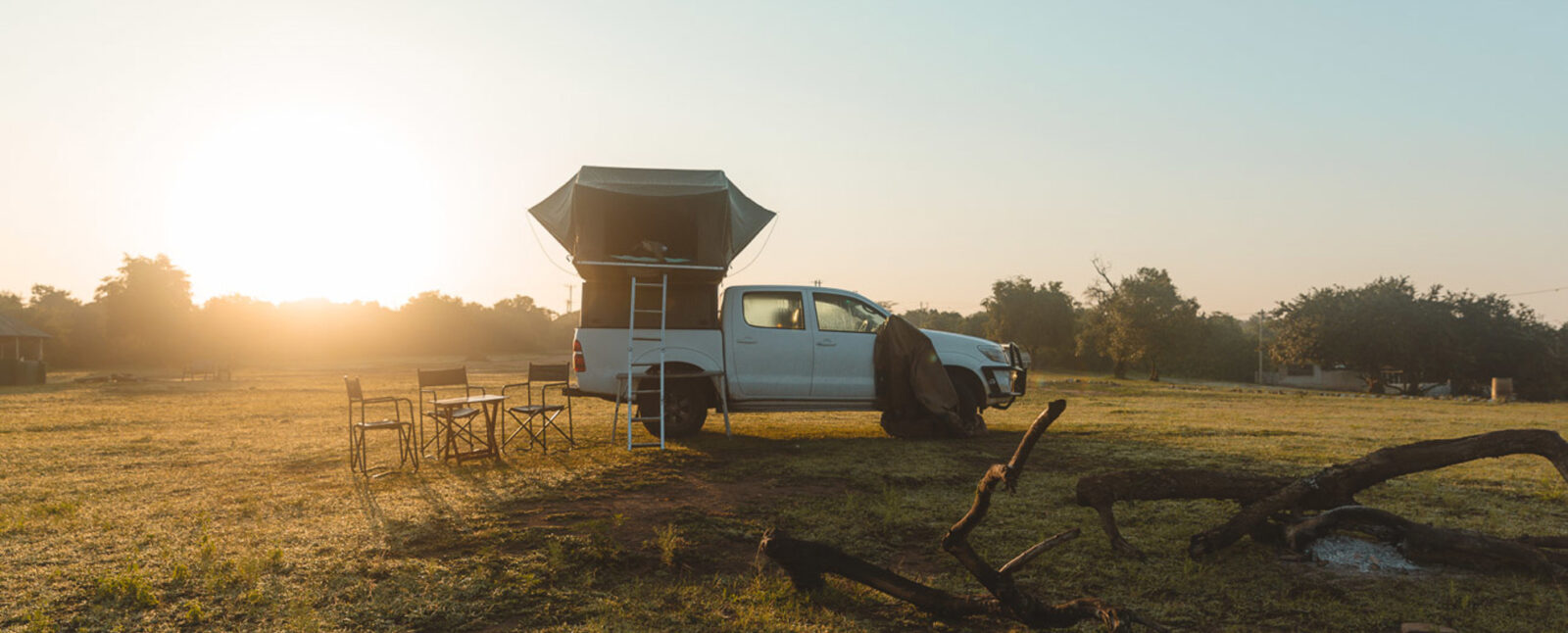
- Simba Public Campsite: USD $35/person/night. On the crater rim with views over the caldera. Cold nights (2,300m altitude — temperatures drop to 8-12°C, bring warm sleeping gear). Popular campsite — book ahead for peak season.
A 4x4 is essential for circuits that include the Ngorongoro Crater descent (which requires centre differential lock), the Bwindi Impenetrable Forest approach road in wet season, or Kidepo Valley National Park. For circuits that stay on sealed national highways and well-maintained murram roads in dry season a capable 2WD can manage — but the Toyota Land Cruiser V8 GX with full 4WD and diff lock is always the safest and most reliable choice for any East Africa self-drive circuit.
You need a valid driving licence (plus an International Driving Permit if your licence is not in English), the COMESA Yellow Card insurance certificate, a cross-border authority letter from the vehicle owner for each transit country, and the vehicle registration document. Car Hire 4x4 Drive prepares all cross-border documentation for the specific countries on your circuit as part of the standard hire process — no separate arrangement needed.
Yes. Most East Africa self-drive circuits do not require technical off-road skills — the majority of driving is on sealed national highways or well-maintained murram park roads. The vehicle handover at collection includes a full demonstration of the 4WD system. If your circuit includes genuinely technical sections such as the Ngorongoro Crater descent or Bwindi wet-season approach, a car with driver can be arranged for those sections if you have no prior 4WD experience.
Book 4 to 8 weeks in advance for standard circuits. For July to August peak season and December to January, book 3 to 4 months ahead. If your circuit includes gorilla trekking, Uganda permits via UWA should be booked 2 to 6 months ahead and Rwanda permits via the RDB 3 to 9 months ahead — the vehicle booking should align with confirmed permit dates. See the How It Works page for the complete booking process and deposit schedule.
The Toyota Land Cruiser V8 GX is the standard recommendation for any circuit covering two or more countries, or any circuit including Tanzania (Ngorongoro requires mandatory 4WD with diff lock) or Uganda's challenging approach roads. For Kenya-only or Rwanda-only dry-season circuits the Land Cruiser Prado is a cost-effective alternative. For groups of 6 or more passengers, the Toyota Hiace 9-seater safari van with pop-up roof is the most cost-effective per-person option.