Diani Beach — 30 km south of Mombasa on Kenya's south coast, a 17 km arc of white coral sand backed by palm trees and baobabs, fronted by a shallow lagoon protected by an offshore reef — is Kenya's most developed and most consistently recommended coastal destination and the natural end point for visitors combining a Nairobi/Masai Mara safari with a beach stay. The south coast's advantages over Mombasa's north coast: better beach (the sand is consistently fine and white rather than the occasional rocky sections of the north coast), less development pressure immediately behind the beach, closer proximity to Shimba Hills National Reserve (a full-day trip from Diani for sable antelope and elephant), and a reliable kitesurfing sector. This guide covers Diani for 2025 visitors.
Beach Activities
Diani's water activity sector: the offshore reef (3 km from the beach, snorkelling trips by glass-bottom boat or dhow — USD $20–30/person for 2-hour reef snorkelling) has a coral garden with good fish diversity (surgeonfish, butterflyfish, parrotfish) though bleaching events in 2016 and 2019 have reduced coral cover from the 1990s baseline. Diving: Diani Marine (Kinondo Point) and Dive the Crab are the two principal PADI operators — USD $50/dive including equipment.
Kitesurfing: the southernmost section of Diani Beach (Galu Beach area) has a consistent southerly wind in the June–September season (20–25 knots) and a schools sector — Kite Surfing Kenya operates at Galu with IKO certification (USD $55/hour instruction). Deep-sea fishing: marlin (blue and striped) are in Diani waters December–March; sailfish April–October; yellowfin tuna year-round. Full-day charter: USD $400–600/boat (4 passengers maximum).
Glass-bottom boat dhow lunch: the lunch dhow trip (2 hours, beach barbecue on a sandbank 2 km from shore) is Diani's most popular group activity — USD $25–35/person.
Colobus Conservation
Planning your East Africa self-drive circuit? Car Hire 4x4 Drive provides fully-equipped 4x4 vehicles for Uganda, Kenya, Tanzania, and Rwanda with COMESA insurance and cross-border documentation included. See how the booking process works or send a circuit enquiry for a quote within 24 hours.
Colobus Conservation (on the main Diani coastal strip road, open daily 08:00–17:00, entry USD $15/adult) is a wildlife conservation and education centre protecting the Angolan colobus monkey population of the Diani coastal forest. The Diani coastal forest fragments (small patches of indigenous forest remaining within the hotel and residential development) host the only population of black-and-white colobus in the Kenya coast region — approximately 400 individuals in the Diani area. The conservation centre's rope bridges (installed across the main coastal road where colobus crossing traffic kills were occurring regularly) have reduced colobus road deaths by 90%. The centre offers guided colobus walks through the adjacent forest (60 minutes, USD $15 — same price as entry, separate guided walk cost) where colobus groups of 8–15 individuals are reliably encountered at 5–10 m range.
Accommodation
- Pinewood Beach Resort: USD $150–250/night per person half-board. Long-established, reliable quality, good beach position.
- Alfajiri Villas: USD $400–600/night villa (self-catering/catered options, exclusive villa on the cliff above the beach). One of the Kenyan coast's finest villa experiences.
- Diani Reef Beach Resort: USD $120–180/night. Large resort, good pool, multiple restaurants, water sports centre.
- Bahari Beach Hotel: USD $80–120/night. Mid-range, reliable, popular with self-drive visitors.
- Shimba Hills NP day trip: 90 km from Diani (2 hours), sable antelope (found only here in Kenya), elephant, leopard, colobus. Entry USD $52/person. 4x4 recommended for the park interior tracks.
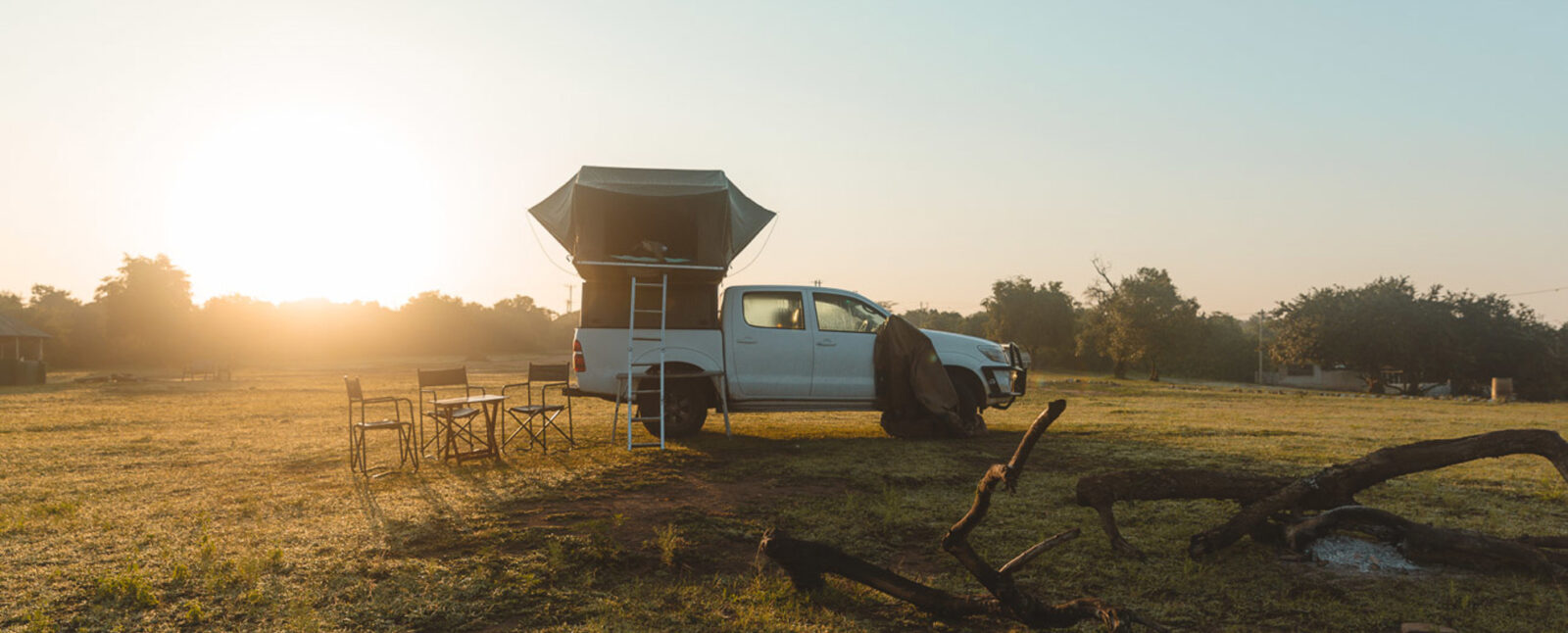
A 4x4 is essential for circuits that include the Ngorongoro Crater descent (which requires centre differential lock), the Bwindi Impenetrable Forest approach road in wet season, or Kidepo Valley National Park. For circuits that stay on sealed national highways and well-maintained murram roads in dry season a capable 2WD can manage — but the Toyota Land Cruiser V8 GX with full 4WD and diff lock is always the safest and most reliable choice for any East Africa self-drive circuit.
You need a valid driving licence (plus an International Driving Permit if your licence is not in English), the COMESA Yellow Card insurance certificate, a cross-border authority letter from the vehicle owner for each transit country, and the vehicle registration document. Car Hire 4x4 Drive prepares all cross-border documentation for the specific countries on your circuit as part of the standard hire process — no separate arrangement needed.
Yes. Most East Africa self-drive circuits do not require technical off-road skills — the majority of driving is on sealed national highways or well-maintained murram park roads. The vehicle handover at collection includes a full demonstration of the 4WD system. If your circuit includes genuinely technical sections such as the Ngorongoro Crater descent or Bwindi wet-season approach, a car with driver can be arranged for those sections if you have no prior 4WD experience.
Book 4 to 8 weeks in advance for standard circuits. For July to August peak season and December to January, book 3 to 4 months ahead. If your circuit includes gorilla trekking, Uganda permits via UWA should be booked 2 to 6 months ahead and Rwanda permits via the RDB 3 to 9 months ahead — the vehicle booking should align with confirmed permit dates. See the How It Works page for the complete booking process and deposit schedule.
The Toyota Land Cruiser V8 GX is the standard recommendation for any circuit covering two or more countries, or any circuit including Tanzania (Ngorongoro requires mandatory 4WD with diff lock) or Uganda's challenging approach roads. For Kenya-only or Rwanda-only dry-season circuits the Land Cruiser Prado is a cost-effective alternative. For groups of 6 or more passengers, the Toyota Hiace 9-seater safari van with pop-up roof is the most cost-effective per-person option.