East Africa 4x4 hire rental agreement — the 10 questions every self-drive visitor should ask the hire company before signing — covers the specific contract terms and vehicle inclusions that determine whether the rental meets the requirements of a remote East Africa park circuit and protects the visitor financially if things go wrong. The hire car rental agreement for an East Africa self-drive is a significantly more complex document than a standard European or American rental contract: it typically includes CDW excess provisions, cross-border permit clauses, mileage caps, recovery kit inclusions (or exclusions), and roof tent or camping equipment terms that require specific verification. Asking these 10 questions before signing the East Africa 4x4 hire rental agreement in 2027 or 2028 prevents the most common post-trip financial disputes and ensures the vehicle is correctly equipped for the planned circuit.
10 Questions to Ask the East Africa Hire Company Before Signing
Planning your East Africa self-drive circuit? Car Hire 4x4 Drive provides fully-equipped 4x4 vehicles for Uganda, Kenya, Tanzania, and Rwanda with COMESA insurance and cross-border documentation included. See how the booking process works or send a circuit enquiry for a quote within 24 hours.
- 1. What is the CDW excess amount? The Collision Damage Waiver excess (the maximum you pay in an at-fault accident) varies from USD 500 to USD 5,000 between East Africa hire companies. A high excess is the most common unexpected cost after a minor accident. Ask for the exact excess amount in writing before signing.
- 2. Is the cross-border permit included for Tanzania and Uganda? Cross-border permits (Kenya to Tanzania, Uganda to Rwanda) require specific insurance documentation and a TRA vehicle sticker for Tanzania. Confirm whether the permit is included in the rental rate or is an additional fee (typically USD 100 to 200 per border).
- 3. Is there a daily mileage cap? Some East Africa hire companies impose a 200km to 250km/day mileage limit — exceeding the cap incurs a per-km surcharge. A Nairobi to Masai Mara drive is 280km one way. Confirm unlimited mileage is available or negotiate the cap explicitly.
- 4. What recovery equipment is included? Ask for an exact list: spare tyre (inflated?), hi-lift jack, wheel brace, tow rope, recovery boards (2 or 4?), shovel. Get the list confirmed in the agreement — verbal promises about kit inclusions are unenforceable in a dispute.
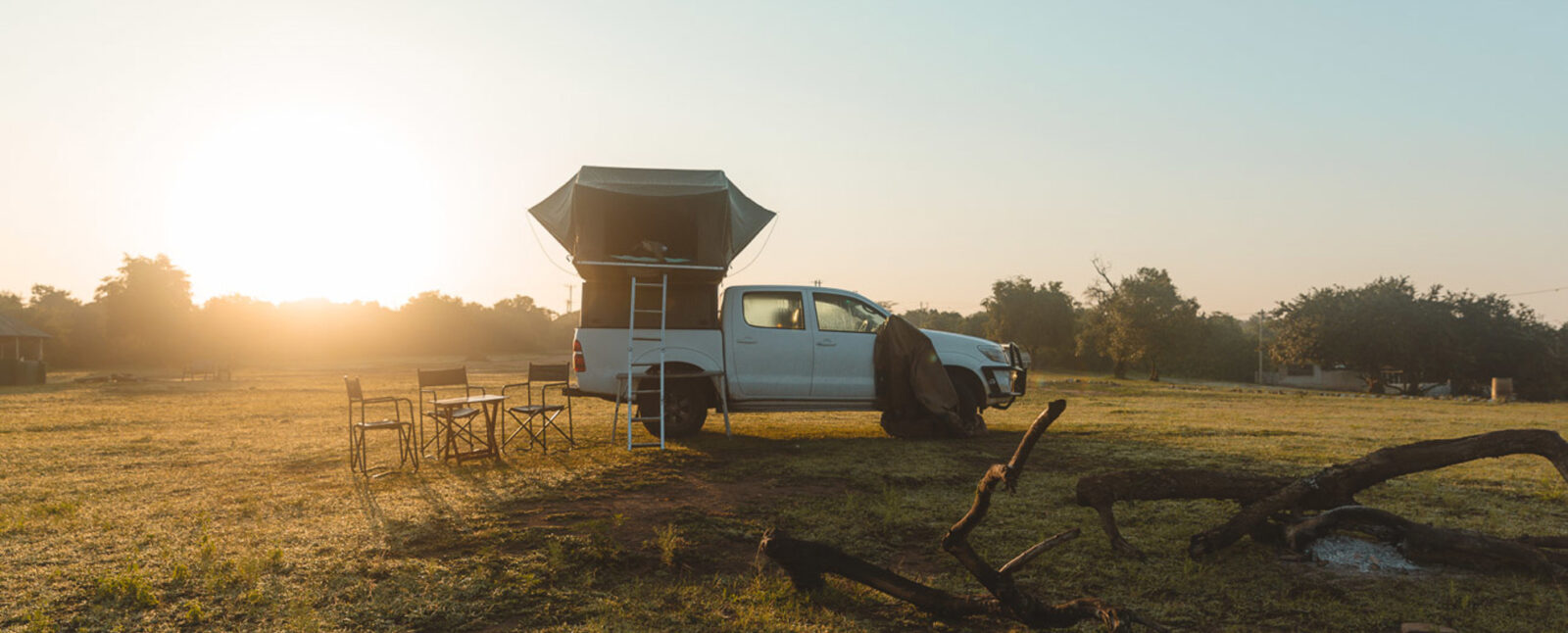
- 5. Is the roof tent (if applicable) rated for 2 adults? Roof tents have a maximum load rating. The standard 140cm x 240cm tent accommodates 2 adults of average weight. Ask for the rated payload and confirm it exceeds the combined weight of occupants by a safety margin.
- 6. What is the procedure if the vehicle breaks down in a national park? Confirm whether the company provides in-park recovery service, the response time target, and whether replacement vehicle provision is included. A 3-day wait for a replacement in Kidepo Valley is not acceptable without prior agreement.
- 7. Are park entry fees paid by the hirer or the hire company? The vast majority of East Africa hire agreements require the renter to pay all park entry fees independently — but confirm this explicitly, particularly for any inclusive packages.
- 8. Is 24-hour roadside assistance included? Some companies include a 24-hour mechanic call-out number; others charge per call-out. Confirm the inclusion and test the number before leaving the depot.
- 9. What is the fuel policy? Full-to-full is standard in East Africa (vehicle collected full, returned full). Some companies have a full-to-empty policy with a pre-purchase fuel fee — this is disadvantageous. Confirm full-to-full before signing.
- 10. What happens if the vehicle is written off or stolen? Total loss or theft liability beyond the CDW coverage is a significant risk in East Africa. Confirm whether the CDW covers total loss or whether the full replacement value of the vehicle (USD 50,000+ for a Land Cruiser V8) could be claimed against the renter in the worst case.
Frequently Asked Questions
Do I need 4WD for a self-drive safari in East Africa?
4WD is essential for any circuit that includes the Ngorongoro Crater descent (which requires centre differential lock), the Bwindi Impenetrable approach road in wet season, or Kidepo Valley National Park. For circuits that stay on sealed national highways and well-maintained murram roads in dry season, a capable 2WD vehicle can manage — but the Toyota Land Cruiser V8 GX with full 4WD and diff lock is always the safest and most reliable choice for any East Africa circuit.
What documents do I need to drive across East Africa borders?
You need the COMESA Yellow Card insurance certificate (valid for all East Africa Community member states), a cross-border authority letter from the vehicle owner for each transit country, and the vehicle registration document. Car Hire 4x4 Drive prepares all cross-border documentation for the specific countries on your circuit as part of the standard hire process — no separate arrangement needed.
Can I self-drive in East Africa without previous off-road experience?
Yes. Most East Africa self-drive circuits do not require technical off-road skills — the majority of the driving is on sealed national highways or well-maintained murram park roads. The vehicle handover at collection includes a full demonstration of the 4WD system. If your circuit includes genuinely technical sections (Ngorongoro crater descent, Bwindi wet-season approach), consider a car with driver for those sections if you have no prior 4WD experience.
How far in advance should I book my East Africa self-drive vehicle?
Book 4 to 8 weeks in advance for standard circuits. For July–August peak season (wildebeest migration) and December–January, book 3 to 4 months ahead. Rwanda gorilla permits should be booked 3 to 9 months in advance via the RDB portal; Uganda gorilla permits (Bwindi) should be booked 2 to 6 months ahead via UWA. See the full FAQ and the How It Works page for the complete booking process.
Which vehicle is best for a multi-country East Africa circuit?
The Toyota Land Cruiser V8 GX is the standard recommendation for any circuit covering two or more countries, or any circuit that includes Tanzania (Ngorongoro is mandatory 4WD with diff lock) or Uganda's challenging approach roads (Bwindi, Kidepo). For Kenya-only or Rwanda-only dry-season circuits, the Land Cruiser Prado is a cost-effective alternative. For groups of 6 or more passengers, the Toyota Hiace 9-seater safari van with pop-up roof is the most cost-effective per-person option.